Latest videos
Las Caras Lindas is a famous song by the renown Black Boricua singer, Ismael Rivera. It is a song that gave us Abibifoɔ from the spanish-terrorized regions of the world much pride in our Blackness. The Beautiful Faces of My Black People!
Lyrics translated to english:
A la le, a la le, a
la lee, la la le le
The beautiful faces
of my Black people
Are a parade of
blossoming molasses
That when it passes
in front of me, my heart rejoices
In their Blackness
The beautiful faces
of my dark-skinned race
Hold tears, sorrow,
and pain
They are the truths
that life challenges
But they carry much
love within
We are the molasses
that laughs
The molasses that
cries
We are the molasses
that loves
And in every kiss,
it is moving
That's why I live
proud of their color
We are kind,
dark-skinned people, with clear poetry
They have their
rhythm, they have melody
The beautiful faces
of my Black people
The beautiful faces
(how beautiful, but), the beautiful faces (but look how beautiful
they are)
The beautiful faces
of my Black people
They have, they
have, they have, they have tears, much melody, I tell you
They have beauty and
they also have very beautiful poetry
The beautiful faces,
the beautiful faces
The beautiful faces
of my Black people
Beautiful faces of
Black people, of which I have many in my calm moments
The beautiful faces
of my Black people are a blast
The beautiful faces,
the beautiful faces (how beautiful they are)
The beautiful faces
of my Black people
We are, I tell you,
the molasses that laughs, ha, ha, ha, ha, ha, that sings and that
cries
And in every kiss,
very moving and captivating
The beautiful faces
(beautiful, beautiful), the beautiful faces (beautiful, beautiful,
beautiful, how beautiful they are)
The beautiful faces
of my Black people
I tell you that in
Portobelo, Panama, I saw the most beautiful and pure face
And that's why my
heart rejoices in its Blackness, that one is truly beautiful
The beautiful faces,
the beautiful faces
The beautiful faces
of my Black people (it sounds)
How beau-, how
beau-, how beautiful they are
Pure Blackness
How beau-, how
beau-, how beautiful they are
The beautiful faces,
the beautiful faces (but how beautiful they are)
The beautiful faces
of my Black people
Listen to me, but
how They are beautiful
They are pretty,
they are lovely
They are beautiful,
how pretty they are
Pretty as you'll
see, that's how they are
Pretty faces like
that one that tells you with a playful tease
A sweet, playful
tease with your sweet, melon-like heart
For the pretty faces
of Llorens Torres
Tell them, Mario
How pretty, how
pretty, how pretty, how pretty, how lovely they are
How beautiful they
are, very beautiful, how lovely they are, how pretty they are
Pretty faces,
pretty, pretty they are, take me!
How pretty they are,
they are pretty
But how pretty they
are, but how pretty they are
How pretty they are,
they are pretty
Many pretty faces
But how pretty, how
pretty, how pretty they are, here they come!
For all the pretty
faces of latin america
But how pretty, but
look how pretty the pretty faces are
Of my Black people,
there are so many
The pretty faces,
the pretty faces
The pretty faces of
my Black people
A parade of
Blackness, of the pure kind that comes from down there
The pretty faces of
my Black people, they are a playful tease
The pretty faces,
the pretty faces
The pretty faces of
my Black people
Molasses that
laughs, molasses that laughs, ha, ha, ha, ha, ha, ha
Oh, that sings and
that cries
And in every kiss,
so moving
But how pretty
Original content info:
Provided to YouTube by Universal Music GroupLas Caras Lindas · Ismael RiveraEsto Si Es Lo Mío℗ 1978 Craft Recordings.Released on: 1978-01-01Producer, Vocalist: Ismael RiveraProducer: Javier VázquezRecording Engineer: Irv GreenbaumChorus: Rubén BladesChorus: Adalberto SantiagoChorus: Nestor SanchezChorus: Héctor LavoeComposer Lyricist: Tite Curet AlonsoAuto-generated by YouTube.
La Historia de Jordan Anderson - The Story of Jordan Anderson told in Spanish by a group of brothas in the southern hemispheric country neocolonially known as colombia. Jordan Anderson was a former captive that was asked to return to the death camp (plantation) of his captor after the abolition of captivity because of his skill set. Brother Jordan wrote an extensive letter published in a newspaper, to include requesting his and his wife's current salary be back-paid for the 30+ years (his) and 20 years (hers) they worked for free on the death camp and other conditions that must be met such as ensuring the good treatment of his family, and a school for Black children in the area, before accepting to return there, and if they could not be met, he'd reject the offer.
original content by: mikecrophonechecker, ivan_salazar_foto, shamselassie, eddyevalencia
https://bio.site/mikecrophonechecker?utm_source=ig&utm_medium=social&utm_content=link_in_bio&fbclid=PAZXh0bgNhZW0CMTEAc3J0YwZhcHBfaWQMMjU2MjgxMDQwNTU4AAGnq4M9R59fXvp5feV_KdX-wstsvCYduyyCqtqossNS8eBm0ddwlaZWywTxANw_aem_0ZskFqM_AAaBK_OfwmYOrw
originally posted on:
https://www.instagram.com/reel/DT1FsF0kkom/?utm_source=ig_web_copy_link&igsh=NTc4MTIwNjQ2YQ==
Jazz and decolonization are entwined in this historical rollercoaster that rewrites the Cold War episode that led musicians Abbey Lincoln and Max Roach to crash the UN Security Council in protest against the murder of Patrice Lumumba.
Komplementarity Kouples and Revolutionary Singles Discussion Series.
- This episode features Ɛna Bobette (@bobette)
In this series we look to explore the journey that Abibifoɔ have taken towards re-KMT-izing (re-blacken-izing). We hope that these videos are more than informative, but transformative. If you would like to participate and share your journey, please reach out in the Abibitumi Komplementarity Kouples and Revolutionary Singles Group.
Abibitumi -> Abibifahodie!
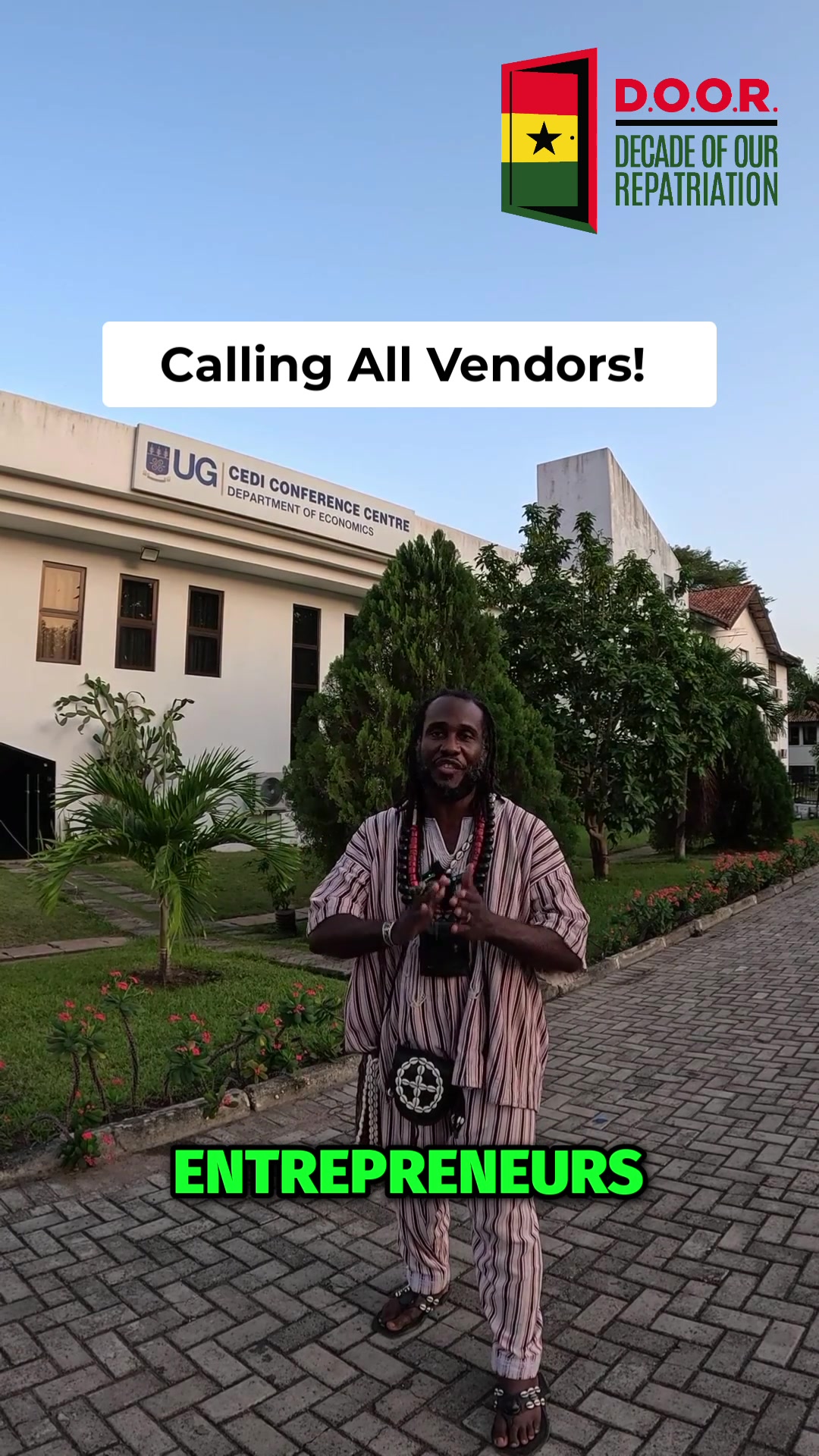
Repatriate to Ghana (or somewhere): “Anywhere is better than there.” In this real-time walk-and-talk, we take you through Abibitumi Headquarters, the surrounding land, and the practical mindset of building a life back home — land, community, culture, food, solar power, and forward motion.
You’ll see:
• A land walk-through (boundaries, farmers on the land, leveling plans, and how we handle compensation with courtesy)
• A tour of Abibitumi Headquarters (solar carport, Ghana-made craftsmanship, gardens, and the Grandestor Garden)
• What “building with intention” looks like — from local materials (stone/wood) to architecture rooted in worldview and symbolism
• Conversations on miseducation, decolonizing the mind, and why we must become a people of doers, not just sayers
Akwaaba. You’re coming home.
🔗 RepatriateToGhana.com (Start Here)
Main site: https://repatriatetoghana.com/
Packages: https://repatriatetoghana.com/product-category/packages/
Pricing / Options: https://repatriatetoghana.com/pricing/
Contact: https://repatriatetoghana.com/contact/
Testimonials: https://repatriatetoghana.com/testimonials/
Moving Readiness Questionnaire: https://repatriatetoghana.com/repatriation-readiness-quiz/
90-min Consultation (“Smooth Transition Plan”): https://repatriatetoghana.com/product/get-your-smooth-transition-plan/
Monthly Collective Support Community: https://repatriatetoghana.com/product/global-ghana-repatriation-group/
⏱️ Chapters
0:00 Why leaving feels urgent
0:31 Neighborhood walk + the land view
1:19 Land boundaries + farmers + build readiness
5:15 Abibitumi Headquarters tour begins
10:45 Toilets/pool setup + community life details
14:08 Fountains + cosmology + “place of the eight”
23:20 Building choices (stone/wood) + local production mindset
28:50 Homeschooling + language schedule
30:33 The best views in the house + design plans
49:10 Black-made tech/vehicles + mindset shift
54:18 Solar alignment + solstice/astronomy reflections
1:03:07 The red/black/green flag + history
If you’re ready to move from “talking about it” to making it happen, start with the questionnaire or book a consultation. Drop questions in the comments — we’ll answer what we can.
#repatriatetoghana #abibitumi #door #ghana #blackpower #abibifahodie
In African world cultures, or cultures of African peoples around the world, one of the most important communicative tool is libation. It is a cultural, rather than a religious, act which allows us to remember those who passed, engage the forces of nature, and have our spirits connected to ancestors near and dear to us, even if we've never met them personally. @poweredbynyame
The art of Ras Jahaziel
Imagine a community-owned institution
where this collection of paintings and videos
are displayed as an educational tool
FOR THE BUILDING OF AN UPRIGHT AND CONSCIOUS PEOPLE.