- General Videos
- Music
- Economics
- Health
- Travel & Events
- History
- Psychology
- Spirituality
- Movies
- News & Politics
- Kmtyw Combat Sciences
- Ɔbenfo Ọbádélé Kambon Videos
- Ɔbenfoɔ Kamau Kambon: Black Liberation Philosophy
- Science, Tech, Engineering and Math
- Permaculture
- Self-Sustainability
- Living Off Grid
- Yoruba Language Learning
- Education
- Mmɔfra Adesua
- Nana Kamau Kambon Playlist
- Livestream
- Komplementarity Kouples and Revolutionary Singles
- Abibitumi Film Series
- Decade of Our Repatriation
- Kwento xpr
- Live
Latest videos


► Subscribe to Transatlantic Productions 💥Smash The LIKE Button👍🏿 Share↗️ & hit the Notifications Bell 🔔
► Donate so we can complete the upload
https://www.gofundme.com/tapvideo
► Cash App: $Tapvideo $Moneymark0730 $Brotheronn
► Share on video on all Social Media.
► Website https://tapvideo.blogspot.com
https://www.facebook.com/Tapvi....deocom-7441435789873
► Back up Channels:
https://www.youtube.com/channe....l/UCs9-wRHfFb7v7RQAi
https://www.youtube.com/user/savejamaica

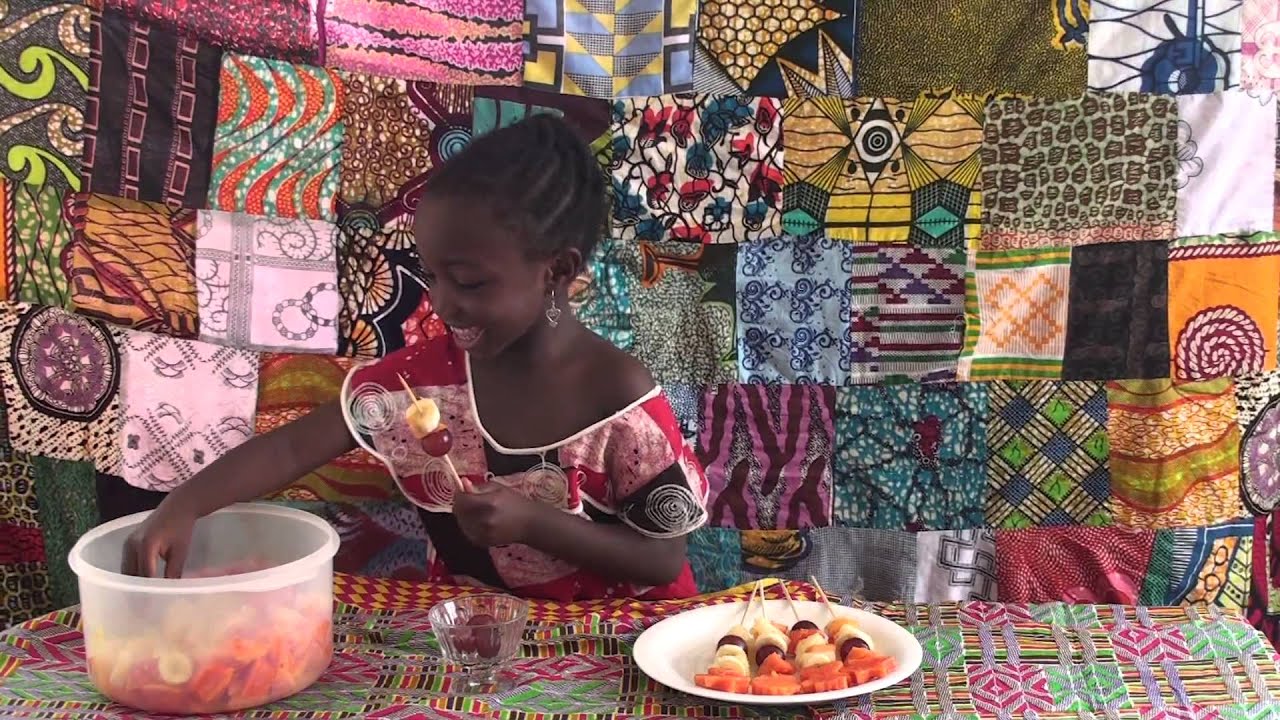


Ama Kambon Aduane a Ɛnam biara nni mu! Ama's Meat-free Food Preparation
To purchase this video, please visit: http://www.amakambon.com
or
http://abibitumikasa.com/ama-k....ambons-meatfree-food



China is deploying robots equipped with machine guns along the border with India. A report claims that China is replacing soldiers with these machines - as the Chinese troops are unable to cope with the high altitudes. Palki Sharma tells you more.
#China #RobotSoldiers #Gravitas
About Channel:
WION -The World is One News, examines global issues with in-depth analysis. We provide much more than the news of the day. Our aim to empower people to explore their world. With our Global headquarters in New Delhi, we bring you news on the hour, by the hour. We deliver information that is not biased. We are journalists who are neutral to the core and non-partisan when it comes to the politics of the world. People are tired of biased reportage and we stand for a globalised united world. So for us the World is truly One.
Please keep discussions on this channel clean and respectful and refrain from using racist or sexist slurs as well as personal insults.
Subscribe to our channel at https://goo.gl/JfY3NI
Check out our website: http://www.wionews.com
Connect with us on our social media handles:
Facebook: https://www.facebook.com/WIONews
Twitter: https://twitter.com/WIONews
Follow us on Google News for latest updates
Zee News:- https://bit.ly/2Ac5G60
Zee Bussiness:- https://bit.ly/36vI2xa
DNA India:- https://bit.ly/2ZDuLRY
WION: https://bit.ly/3gnDb5J
Zee News Apps : https://bit.ly/ZeeNewsApps


Exuding a sheer spirit of Jealous and envy driven by disbelief Some scholars and their students now try to portray to all others that the origins of ancient Egypt is shrouded in mystery. This diabolical and deceptive. Egypt in Africa. There was no Middle east at all.….
They add that Ancient Egyptian culture and religious writings seemed to spring up overnight. Using this ploy, the deceivers with unbridled pretense and outright lies create an Egypt totally separate from its more ancient powerful kingdom to the south.
It is these manufacture dishonesties spiced with fake statues, selective DNA from Greek Roman mummies and prejudiced literature now used to promote the idea that Egypt is a Mediterranean or Asian Civilisation not Afrikan! In this view therefore the Most powerful kingdom south of Egypt must be buried, ignored and not taught! However New findings are changing tall this. Millions are now rediscovering another ancient civilization which predates the civilizations of Egypt and Mesopotamia. A civilization which was until very recently, entirely unknown
There is an abundance of rock art found all over the central Sahara from Libya to Egypt to Mali. The rock art depicts elephants, crocodiles, dogs, hippos and rhinos - animals who do not live in the desert. Scenes of hunting and rituals are shown, with men wearing animal masks. There are representations in rock art of dog-headed human figures which resemble Anubis, and a type of stamped pottery decoration later found in the southern Nile valley. Kingdom_of_Kush-map/Interesting-facts-about-ancient-Egypt
Are Nubians Africans? The answer to this is not easy But we have given it our best short. Find out if it makes any sense but it surely is educative and empowering. This question creates confusion But is informative.
Subscribe Share and Comment.
References
https://www.tellerreport.com/n....ews/--why-did-the-nu
EgyptSearch Forums: The Nubians of Egypt consider it an insult if you call them Sudanese.They’re Egyptian
Sudan Divided Identity, Divided Land P1.mkv
Sudan Divided Identity, Divided Land P2.mkv
Sudan Divided Identity, Divided Land P3.mkv
(1) There Is No Middle East - YouTube
Africa Afrika (tumblr.com)
NUBA PEOPLE: AFRICA`S ANCIENT PEOPLE OF SOUTH SUDAN (kwekudee-tripdownmemorylane.blogspot.com)
Ancient Egypt (teacheroz.com)
Africa was Kush/Ethiopia!
History Wiped Out. The Dinka Nubians Connection From Central Sudanic Are The First Ancient Egyptians (cityscrollz.com)