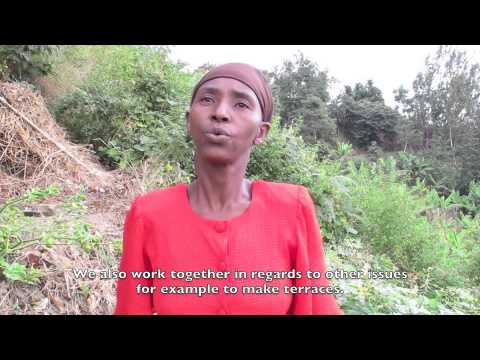
- General Videos
- Music
- Economics
- Health
- Travel & Events
- History
- Psychology
- Spirituality
- Movies
- News & Politics
- Kmtyw Combat Sciences
- Ɔbenfo Ọbádélé Kambon Videos
- Ɔbenfoɔ Kamau Kambon: Black Liberation Philosophy
- Science, Tech, Engineering and Math
- Permaculture
- Self-Sustainability
- Living Off Grid
- Yoruba Language Learning
- Education
- Mmɔfra Adesua
- Nana Kamau Kambon Playlist
- Livestream
- Komplementarity Kouples and Revolutionary Singles
- Abibitumi Film Series
- Decade of Our Repatriation
- Kwento xpr
- Live
Latest videos


📢 “Agroecology is more than the production... it’s about our relationship with the environment and community.” For #IGrowYourFood, organic farmer Roberto Carlos tells us why planting banana trees is important for a coffee grower 🇧🇷
Find out more about the global action day: https://campaigns.ifoam.bio/igrowyourfood
🤗 Support our ORGANISATION:
https://ifo.am/Donate
🤝 Become our PARTNER:
https://ifo.am/JoinIFOAM
📩 Sign up to our NEWSLETTER:
https://ifo.am/Newsletter
▶️ Subscribe to our YOUTUBE channel:
https://ifo.am/YouTube
👍 Stay connected on FACEBOOK:
https://ifo.am/Facebook
👩💻 Join the conversation on TWITTER:
https://ifo.am/Twitter
👨💻 Follow us on LINKEDIN:
https://www.linkedin.com/compa....ny/ifoamorganicsinte
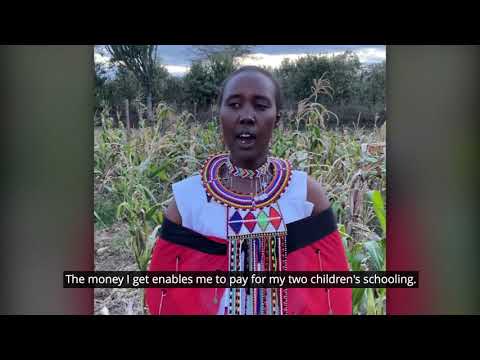
📢 “When I realised that our traditional way of life is no longer sustainable, I started crop farming.” - Jennifer Gisa, a Maasai farmer from Kenya, for #IGrowYourFood 🌱
Find out more about the global action day: https://campaigns.ifoam.bio/igrowyourfood
🤗 Support our ORGANISATION:
https://ifo.am/Donate
🤝 Become our PARTNER:
https://ifo.am/JoinIFOAM
📩 Sign up to our NEWSLETTER:
https://ifo.am/Newsletter
▶️ Subscribe to our YOUTUBE channel:
https://ifo.am/YouTube
👍 Stay connected on FACEBOOK:
https://ifo.am/Facebook
👩💻 Join the conversation on TWITTER:
https://ifo.am/Twitter
👨💻 Follow us on LINKEDIN:
https://www.linkedin.com/compa....ny/ifoamorganicsinte

“We don’t use herbicides and other harmful chemicals so that our children can eat clean food.” - Saayioi Leposo, a Maasai organic farmer from Kenya, for #IGrowYourFood 🌱
Find out more about the global action day: https://campaigns.ifoam.bio/igrowyourfood
🤗 Support our ORGANISATION:
https://ifo.am/Donate
🤝 Become our PARTNER:
https://ifo.am/JoinIFOAM
📩 Sign up to our NEWSLETTER:
https://ifo.am/Newsletter
▶️ Subscribe to our YOUTUBE channel:
https://ifo.am/YouTube
👍 Stay connected on FACEBOOK:
https://ifo.am/Facebook
👩💻 Join the conversation on TWITTER:
https://ifo.am/Twitter
👨💻 Follow us on LINKEDIN:
https://www.linkedin.com/compa....ny/ifoamorganicsinte
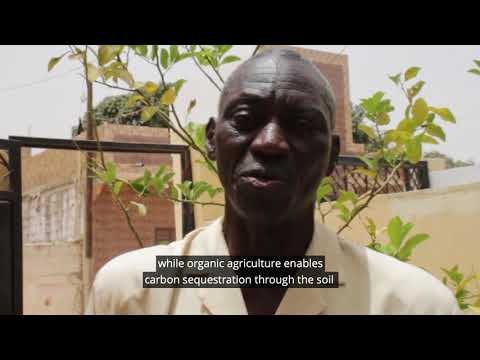
📢 “Conventional agriculture contributes to global warming while organic enables carbon sequestration in soil. It's a powerful way to become more resilient to climate change.” Meet Ibrahima working with over 157,000 people to promote organic agriculture in Senegal 🇸🇳 #IGrowYourFood #LuvOrganic
Find out more about #IGrowYourFood: https://campaigns.ifoam.bio/igrowyourfood
🤗 Support our ORGANISATION:
https://ifo.am/Donate
🤝 Become our PARTNER:
https://ifo.am/JoinIFOAM
📩 Sign up to our NEWSLETTER:
https://ifo.am/Newsletter
▶️ Subscribe to our YOUTUBE channel:
https://ifo.am/YouTube
👍 Stay connected on FACEBOOK:
https://ifo.am/Facebook
👩💻 Join the conversation on TWITTER:
https://ifo.am/Twitter
👨💻 Follow us on LINKEDIN:
https://www.linkedin.com/compa....ny/ifoamorganicsinte

Meet Margaret Lungu, an organic farmer in Zambia 🇿🇲 who uses Gliricidia leaves on her farm in Zambia to improve the quality of the soil.
Find out more about #IGrowYourFood: https://campaigns.ifoam.bio/igrowyour...
🤗 Support our ORGANISATION:
https://ifo.am/Donate
🤝 Become our PARTNER:
https://ifo.am/JoinIFOAM
📩 Sign up to our NEWSLETTER:
https://ifo.am/Newsletter
▶️ Subscribe to our YOUTUBE channel:
https://ifo.am/YouTube
👍 Stay connected on FACEBOOK:
https://ifo.am/Facebook
👩💻 Join the conversation on TWITTER:
https://ifo.am/Twitter
👨💻 Follow us on LINKEDIN:
https://www.linkedin.com/company/ifoa...


“Instead of wishing you 'good luck', like the conventional agriculture that's poisoning us, we want to wish you 'bon appétit.” Meet Kokou Gligbe, an organic farmer from Togo helping train the next generation of farmers! 🇹🇬
Find out more about #IGrowYourFood: https://campaigns.ifoam.bio/igrowyourfood
🤗 Support our ORGANISATION:
https://ifo.am/Donate
🤝 Become our PARTNER:
https://ifo.am/JoinIFOAM
📩 Sign up to our NEWSLETTER:
https://ifo.am/Newsletter
▶️ Subscribe to our YOUTUBE channel:
https://ifo.am/YouTube
👍 Stay connected on FACEBOOK:
https://ifo.am/Facebook
👩💻 Join the conversation on TWITTER:
https://ifo.am/Twitter
👨💻 Follow us on LINKEDIN:
https://www.linkedin.com/compa....ny/ifoamorganicsinte


📢 “In my community, I advise colleagues to produce organically so that the families who buy from us can be sure their food is healthy.” Meet Antonio, an organic farmer from São Tomé and Príncipe 🇸🇹 working with nature to grow our food.
Find out more about #IGrowYourFood: https://campaigns.ifoam.bio/igrowyourfood
🤗 Support our ORGANISATION:
https://ifo.am/Donate
🤝 Become our PARTNER:
https://ifo.am/JoinIFOAM
📩 Sign up to our NEWSLETTER:
https://ifo.am/Newsletter
▶️ Subscribe to our YOUTUBE channel:
https://ifo.am/YouTube
👍 Stay connected on FACEBOOK:
https://ifo.am/Facebook
👩💻 Join the conversation on TWITTER:
https://ifo.am/Twitter
👨💻 Follow us on LINKEDIN:
https://www.linkedin.com/compa....ny/ifoamorganicsinte