- General Videos
- Music
- Economics
- Health
- Travel & Events
- History
- Psychology
- Spirituality
- Movies
- News & Politics
- Kmtyw Combat Sciences
- Ɔbenfo Ọbádélé Kambon Videos
- Ɔbenfoɔ Kamau Kambon: Black Liberation Philosophy
- Science, Tech, Engineering and Math
- Permaculture
- Self-Sustainability
- Living Off Grid
- Yoruba Language Learning
- Education
- Mmɔfra Adesua
- Nana Kamau Kambon Playlist
- Livestream
- Komplementarity Kouples and Revolutionary Singles
- Abibitumi Film Series
- Decade of Our Repatriation
- Kwento xpr
- Live
Latest videos


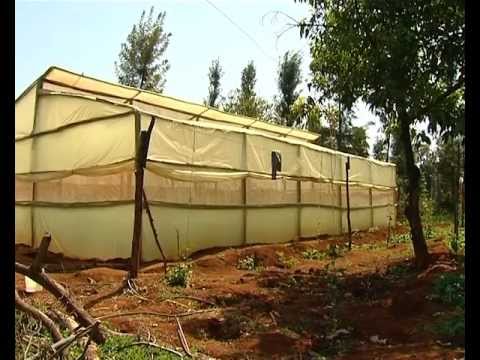


Agro processing in Nigeria involves adding value to Nigeria agricultural produce. Value-added agriculture generates several billions in economic impact of a country. In fact, adding value to agricultural products beyond the farm gate usually has several times the economic impact of the agricultural production alone.
Agricultural producers receive a much smaller portion of the consumer’s naira than do food processors, especially processors who produce brand name items. Capturing those additional naira by adding value to farm or ranch products is a goal of many producers.
Agro processing in Nigeria today can act as a catalyst towards starting or commencing your own value added business. Visit www.exportbusiness.com for more information

#SweetPotato #ValueAddition
www.Farmers.co.ke is the site for authoritative multimedia agricultural and agribusiness content.
Visit us today for farming news, agribusiness tips, practical expert advice and industry updates.
SMS: 22071

#ValueAddition
Making Cakes and Bread from Sweet Potato Value Addition - Bungoma County Part 1
www.Farmers.co.ke is the site for authoritative multimedia agricultural and agribusiness content.
Visit us today for farming news, agribusiness tips, practical expert advice and industry updates.
SMS: 22071

Ghana made an announcement about automobile manufacturer -Toyota - setting up an assembly plant in the country, and this got a lot of people talking. From our business desk, we had Nasiri Agbalaya speak on the effects of this on the economy of Ghana and West Africa at large.
.......................................
Don't forget to subscribe to our channel: https://bit.ly/2J1dFFf
Watch more amazing videos about #Africa: https://bit.ly/2J1
Watch News Central TV live: https://www.youtube.com/embed/....live_stream?channel=
Get social with News Central TV:
Twitter: https://twitter.com/NewsCentralTV
Instagram: https://www.instagram.com/newscentraltv/
Read more news on our website: https://www.newscentral.africa/