- General Videos
- Music
- Economics
- Health
- Travel & Events
- History
- Psychology
- Spirituality
- Movies
- News & Politics
- Kmtyw Combat Sciences
- Ɔbenfo Ọbádélé Kambon Videos
- Ɔbenfoɔ Kamau Kambon: Black Liberation Philosophy
- Science, Tech, Engineering and Math
- Permaculture
- Self-Sustainability
- Living Off Grid
- Yoruba Language Learning
- Education
- Mmɔfra Adesua
- Nana Kamau Kambon Playlist
- Livestream
- Komplementarity Kouples and Revolutionary Singles
- Abibitumi Film Series
- Decade of Our Repatriation
- Kwento xpr
- Live
Latest videos

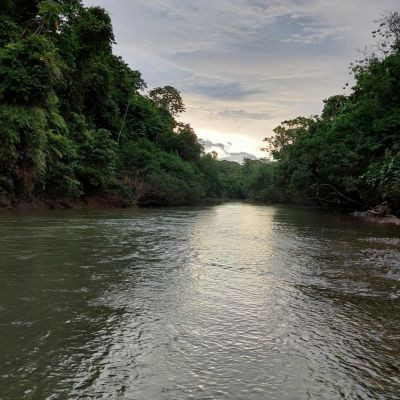
This song contains a lot of Ourstory in the country known as "colombia", a country named after the mzungu criminal Columbus. This song speaks of anti-Afrikan racism our people face there and have faced there since the colonial days of the Spanish bakra. It speaks of Afrikan Freedom Fighters. It speaks of resistance. It speaks of laws and treachery. It speaks of Ayiti. It speaks of our Afrikanity. Our great Afrikanity.
This is the artist's yt channel https://www.youtube.com/@TONO121_oficial


#TheNewBlackMind
► Subscribe to Transatlantic Productions 💥Smash The LIKE Button👍🏿 Share↗️ & hit the Notifications Bell 🔔
► Donate so we can complete the upload https://www.gofundme.com/tapvideo
► Cash App: $Tapvideo $GodKingD91 $BrotherRonn $Moneymark0730
► Share on video on all Social Media.
► Website https://tapvideo.blogspot.com
https://www.facebook.com/Tapvi....deocom-7441435789873
► Back up Channels:
https://www.youtube.com/channe....l/UCs9-wRHfFb7v7RQAi
https://www.youtube.com/user/savejamaica

#TheNewBlackMind
► Subscribe to Transatlantic Productions 💥Smash The LIKE Button👍🏿 Share↗️ & hit the Notifications Bell 🔔
► Donate so we can complete the upload https://www.gofundme.com/tapvideo
► Cash App: $Tapvideo $GodKingD91 $BrotherRonn $Moneymark0730
► Share on video on all Social Media.
► Website https://tapvideo.blogspot.com
https://www.facebook.com/Tapvi....deocom-7441435789873
► Back up Channels:
https://www.youtube.com/channe....l/UCs9-wRHfFb7v7RQAi
https://www.youtube.com/user/savejamaica

#TheNewBlackMind
► Subscribe to Transatlantic Productions 💥Smash The LIKE Button👍🏿 Share↗️ & hit the Notifications Bell 🔔
► Donate so we can complete the upload https://www.gofundme.com/tapvideo
► Cash App: $Tapvideo $GodKingD91 $BrotherRonn $Moneymark0730
► Share on video on all Social Media.
► Website https://tapvideo.blogspot.com
https://www.facebook.com/Tapvi....deocom-7441435789873
► Back up Channels:
https://www.youtube.com/channe....l/UCs9-wRHfFb7v7RQAi
https://www.youtube.com/user/savejamaica

#thenewblackmind
► Subscribe to Transatlantic Productions 💥Smash The LIKE Button👍🏿 Share↗ & hit the Notifications Bell 🔔
► Donate so we can complete the upload https://www.gofundme.com/tapvideo
► Cash App: $Tapvideo $GodKingD91 $BrotherRonn $Moneymark0730
► Share on video on all Social Media.
► Website https://tapvideo.blogspot.com
https://www.facebook.com/Tapvi....deocom-7441435789873
► Back up Channels:
https://www.youtube.com/channe....l/UCs9-wRHfFb7v7RQAi
https://www.youtube.com/user/savejamaica

#thenewblackmind
► Subscribe to Transatlantic Productions 💥Smash The LIKE Button👍🏿 Share↗ & hit the Notifications Bell 🔔
► Donate so we can complete the upload https://www.gofundme.com/tapvideo
► Cash App: $Tapvideo $GodKingD91 $BrotherRonn $Moneymark0730
► Share on video on all Social Media.
► Website https://tapvideo.blogspot.com
https://www.facebook.com/Tapvi....deocom-7441435789873
► Back up Channels:
https://www.youtube.com/channe....l/UCs9-wRHfFb7v7RQAi
https://www.youtube.com/user/savejamaica

#thenewblackmind
► Subscribe to Transatlantic Productions 💥Smash The LIKE Button👍🏿 Share↗ & hit the Notifications Bell 🔔
► Donate so we can complete the upload https://www.gofundme.com/tapvideo
► Cash App: $Tapvideo $GodKingD91 $BrotherRonn $Moneymark0730
► Share on video on all Social Media.
► Website https://tapvideo.blogspot.com
https://www.facebook.com/Tapvi....deocom-7441435789873
► Back up Channels:
https://www.youtube.com/channe....l/UCs9-wRHfFb7v7RQAi
https://www.youtube.com/user/savejamaica

#thenewblackmind
► Subscribe to Transatlantic Productions 💥Smash The LIKE Button👍🏿 Share↗ & hit the Notifications Bell 🔔
► Donate so we can complete the upload https://www.gofundme.com/tapvideo
► Cash App: $Tapvideo $GodKingD91 $BrotherRonn $Moneymark0730
► Share on video on all Social Media.
► Website https://tapvideo.blogspot.com
https://www.facebook.com/Tapvi....deocom-7441435789873
► Back up Channels:
https://www.youtube.com/channe....l/UCs9-wRHfFb7v7RQAi
https://www.youtube.com/user/savejamaica