- General Videos
- Music
- Economics
- Health
- Travel & Events
- History
- Psychology
- Spirituality
- Movies
- News & Politics
- Kmtyw Combat Sciences
- Ɔbenfo Ọbádélé Kambon Videos
- Ɔbenfoɔ Kamau Kambon: Black Liberation Philosophy
- Science, Tech, Engineering and Math
- Permaculture
- Self-Sustainability
- Living Off Grid
- Yoruba Language Learning
- Education
- Mmɔfra Adesua
- Nana Kamau Kambon Playlist
- Livestream
- Komplementarity Kouples and Revolutionary Singles
- Abibitumi Film Series
- Decade of Our Repatriation
- Kwento xpr
- Live


Ọbádélé Kambon
SubscribersLiked videos
![Installation of Akuapem Mampong Apagyahene [PT 1]. #thehillsgreatest #akuapem #gyenyame](https://d2pqtpahsfkkkc.cloudfront.net/upload/photos/2026/10/UacRgRH726MFOpKFzXn9.jpg)

How do language, culture, history, and African-centered ways of knowing help us understand the connections among African people across time and geography?
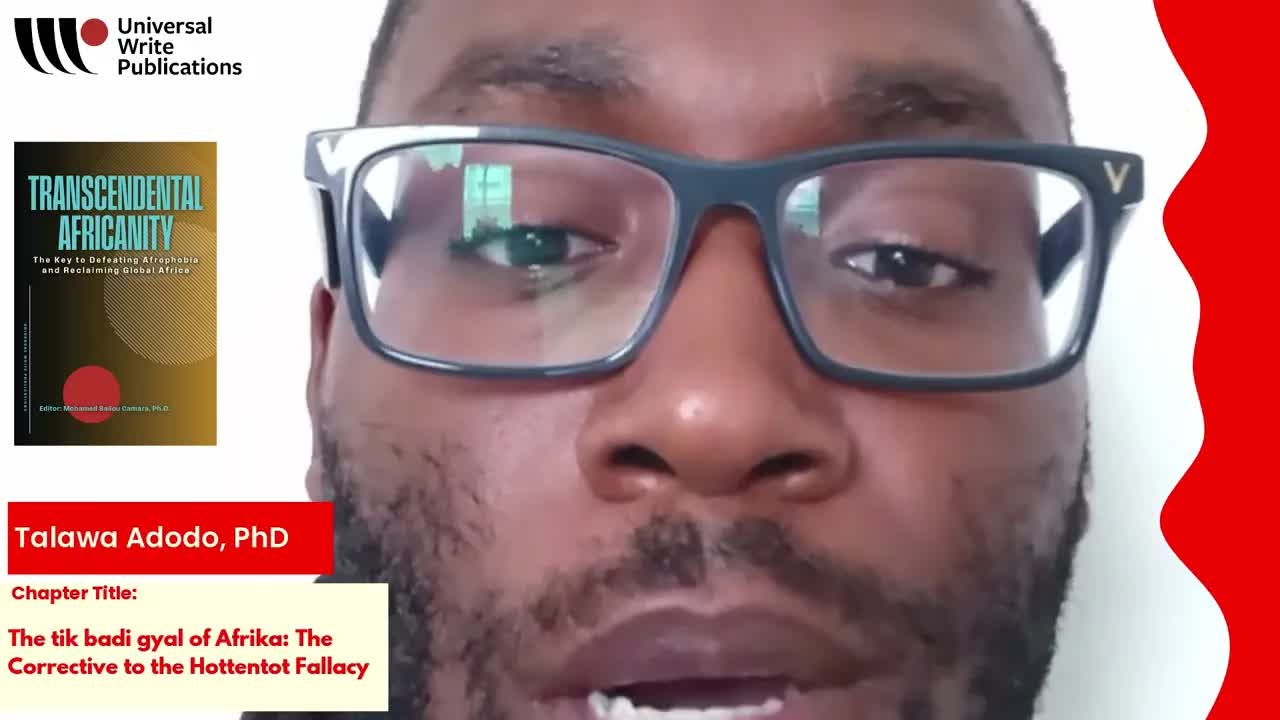
In this UWP Scholar Spotlight, contributing scholar Talawa Adodo, Ph.D. discusses his contribution to Transcendental Africanity: The Key to Defeating Afrophobia and Reclaiming Global Africa, edited by Mohamed Saliou Camara, Ph.D.
Dr. Adodo’s scholarship engages African civilizations, African and Afro-Caribbean languages, Africology, cultural continuity, and questions of African identity across time and space. His contribution to Transcendental Africanity enters the volume’s larger conversation about Africanity, Global Africa, cultural memory, identity, language, Afrophobia, belonging, resistance, and African self-determination.
His work invites us to consider an important question at the heart of the volume:
How do African people understand themselves, their histories, and their connections to one another through African-centered intellectual and cultural frameworks?
Through the UWP Scholar Spotlight Series, readers move beyond the chapter title to encounter the scholars, questions, intellectual traditions, and research behind the scholarship.
ABOUT TRANSCENDENTAL AFRICANITY
Transcendental Africanity: The Key to Defeating Afrophobia and Reclaiming Global Africa brings together ten chapters by nine scholars examining the enduring connections among Africans and Afro-descendants while confronting the historical and contemporary forces that have produced separation, displacement, and Afrophobia.
The volume creates an interdisciplinary space for thinking about Africanity, identity, culture, language, historical memory, belonging, resistance, sovereignty, and African self-determination while asking what these ideas might mean for the future of Global Africa.
The book offers relevance for African Studies, Africana Studies, Black Studies, African Diaspora Studies, Africology, History, Political Science, Cultural Studies, Language Studies, and related interdisciplinary fields.
FOR FACULTY, STUDENTS, LIBRARIANS & RESEARCHERS
Dr. Adodo’s Scholar Spotlight provides another pathway into the individual scholarship contained within this interdisciplinary volume.
For faculty, it offers an entry point for classroom discussion and course consideration.
For students and researchers, it introduces questions and concepts that can be interrogated, cited, challenged, and extended.
For librarians, it provides greater visibility into the scholars and intellectual breadth represented within the collection.
📚 BOOK INFORMATION
Transcendental Africanity: The Key to Defeating Afrophobia and Reclaiming Global Africa
Editor: Mohamed Saliou Camara, Ph.D.
Publisher: Universal Write Publications
Publication Date: September 29, 2026
Print ISBN: 978-1-942774-35-8
eBook ISBN: 978-1-942774-34-1
LCCN: 2026902889
DOI: 10.65724/DWCO4934
PREORDERS ARE OPEN NOW.
UWP SCHOLAR SPOTLIGHT SERIES
The UWP Scholar Spotlight Series brings audiences closer to the scholars behind the scholarship.
Through conversations with UWP authors, editors, and edited-volume contributors, the series creates a growing digital archive of the people, ideas, research, and intellectual traditions advancing Black scholarship and interdisciplinary inquiry.
For contributors to edited volumes, Scholar Spotlight provides dedicated visibility for their individual scholarship, connecting their contribution to the larger intellectual conversation of the book while extending the discoverability and scholarly life of their work beyond the printed page.
Explore the UWP Scholar Spotlight Series at UWPBooks.com/authors.
Subscribe to UWP Books on YouTube for additional Scholar Spotlights, author conversations, books, research, and scholarship from Universal Write Publications.
Read the scholarship. Meet the scholar. Continue the conversation.
Universal Write Publications
We Will Tell Our Own Story.
#talawaadodo #transcendentalafricanity #africanity #globalafrica #africology #africancivilizations #africanlanguages #africandiaspora #afrophobia #africanstudies #africanastudies #blackstudies #africanscholarship #blackscholarship #scholarspotlight #scholarshipinconversation #uwpbooks #wewilltellourownstory

Where Did Black America Go Wrong and How Do We Reach Our Potential? w/ Obadele Kambon
Please Subscribe
Patreon: https://www.patreon.com/searchforuhuru
Instagram: Searchforuhuru
instagram: Africapersonified
Facebook: https://www.facebook.com/searchforuhuru
Facebook: https://www.facebook.com/Africapersonified/
Twitter: https://twitter.com/searchforuhuru/
https://www.dynastamir.com
Obadele Kambon:obkambon@ug.edu.gh and Abibitumi Download on IOS or Google Play
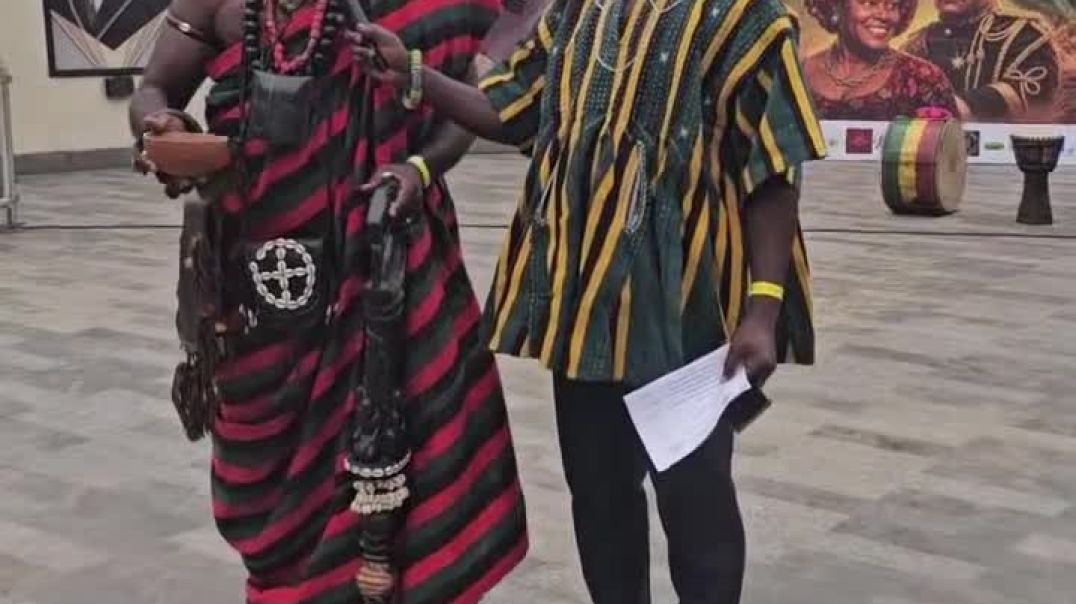
Libation, legacy, and language for liberation.
Ɔbenfo Ọbádélé Kambon (Nana Kwame Pɛbi Datɛ I) pours libation at the MMGF Fundraising Gala at the Nana Kwame Nkrumah Memorial Park—honouring the ancestors and grounding the gathering in African spiritual and cultural continuity.
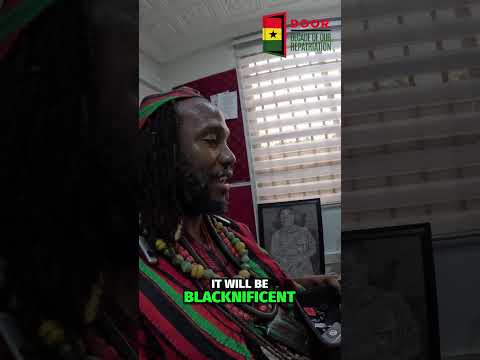
Carry that continuity into language. The Black August Hybrid Twi Language Intensive begins August 29, 2026, meeting Saturdays and Sundays at 4:00 PM—in person at Jamrock Restaurant on the University of Ghana campus and live via Zoom.
Reserve your place:
https://www.abibitumi.com/twiblackaugust
50% discount for all members of selected organizations, including AAAG, GCA, Jamaica Affairs, Rastafari Council, SOAD, RRC and R2GH.
Learn more about D.O.O.R.:
https://www.decadeofourrepatriation.com/
#door #decadeofourrepatriation #twi #languageforliberation #blackaugust #ghana #repatriation #MMGF
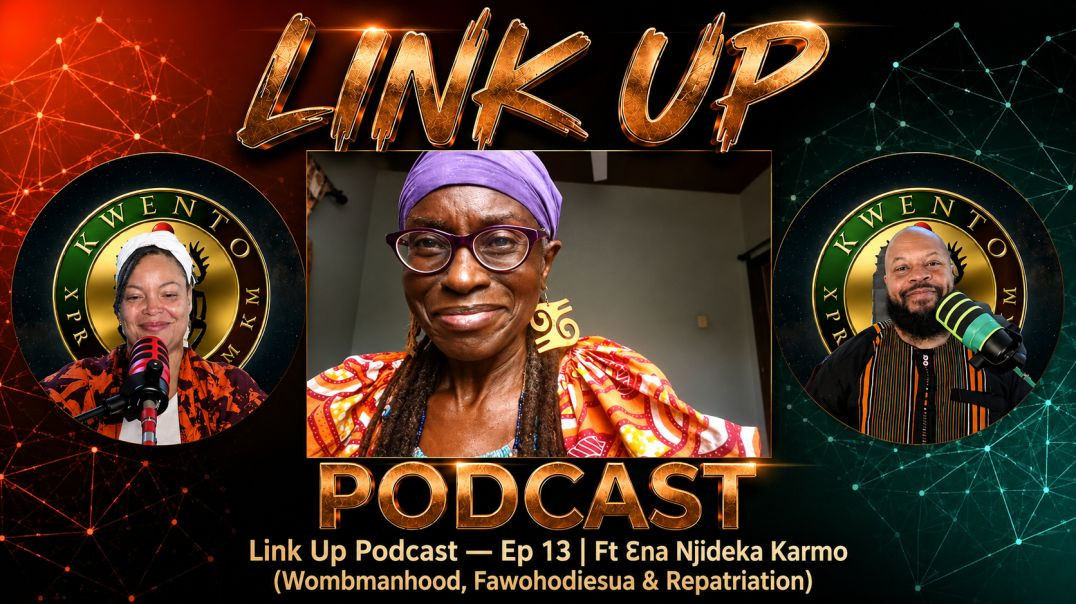
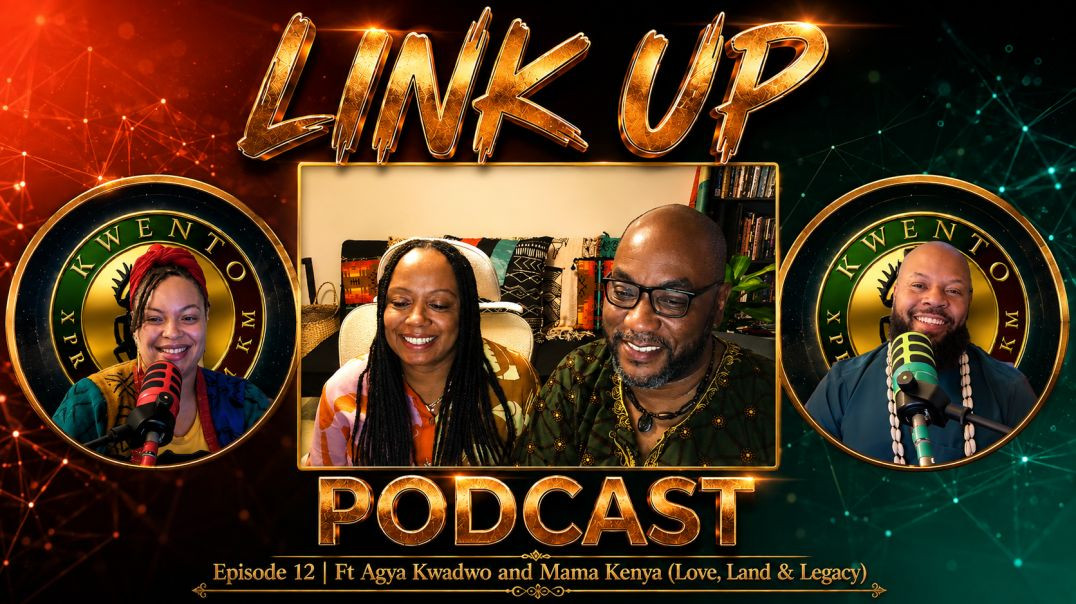
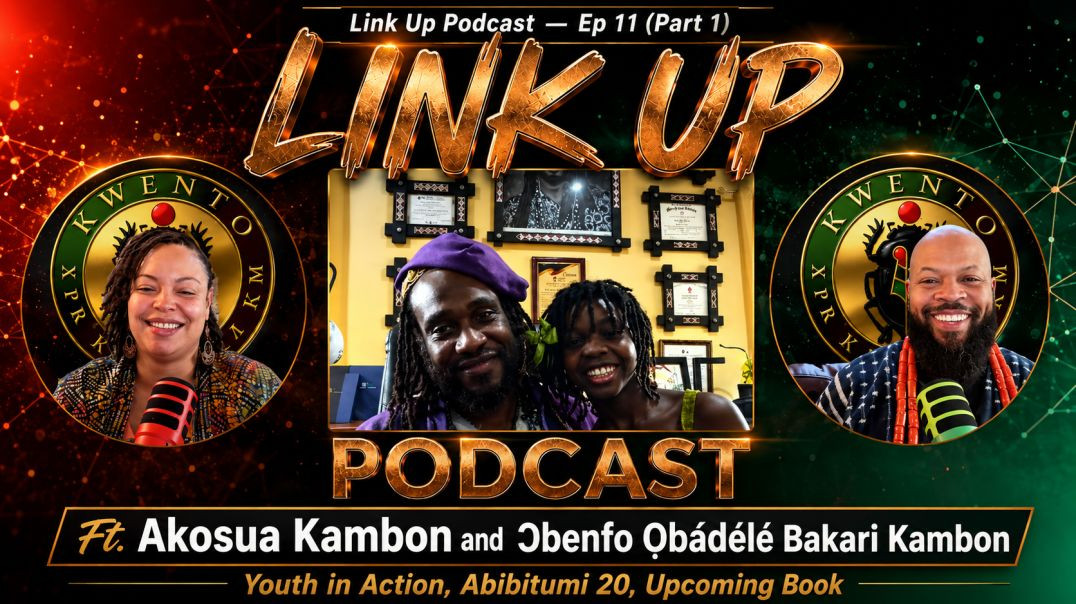
Link Up Podcast — Ep 13 | Ft Ɛna Njideka Karmo (Wombmanhood, Fawohodiesua & Repatriation)
Hosts: Niara Esi Ìjèawelē Ọmọlará Kwento & Bakari Kwadwo Ọbatayé Kwento
Akɔaba, Woezɔ, Oɔbaake (welcome) to another episode of Link Up Podcast, where we connect with Abibifoɔ (Black People) doing Black powerful work across Abibiman (the Black Land) and the diaspora.
In this episode, we Link Up with Ɛna Njideka Karmo, a Blacktastic educator, warrior scholar, mother and builder whose work centers Wombmanhood, Black-centered education, and the journey back home to Abibiman. Ɛna Njideka takes us through her path from the Midwest in the snakkkes, to her educational travels, and the Black study that helped sharpen her sense of self, purpose, and service.
We discuss the development of Fawohodiesua, her work teaching young sisters into Wombmanhood, the need for rites of passage, Motherland Immersion, livit, and the importance of preparing our young people mentally, spiritually, and physically for who they are. The conversation also answers why repatriation requires more than talk — it requires an exit plan, a village, and institutions strong enough to raise the next generation Black to Black.
This is a conversation about Wombmanhood, Fawohodiesua, repatriation, ancestral guidance, and the work required to build the educational and cultural foundations our daughters and future generations deserve.
If you would like to support the ongoing BlackPowerful work discussed, feel free to reach out to Ɛna Njideka Karmo: www.fawohodiesua.com / fawohodiesua@gmail.com
Link to Video Recording SSS #60 UNBLOCKING FAMILY ROADBLOCKS TO LIBERATION!
https://www.abibitumi.com/prod....uct/roadblocks/?kmt=
Feel free to share your thoughts, and Link Up!



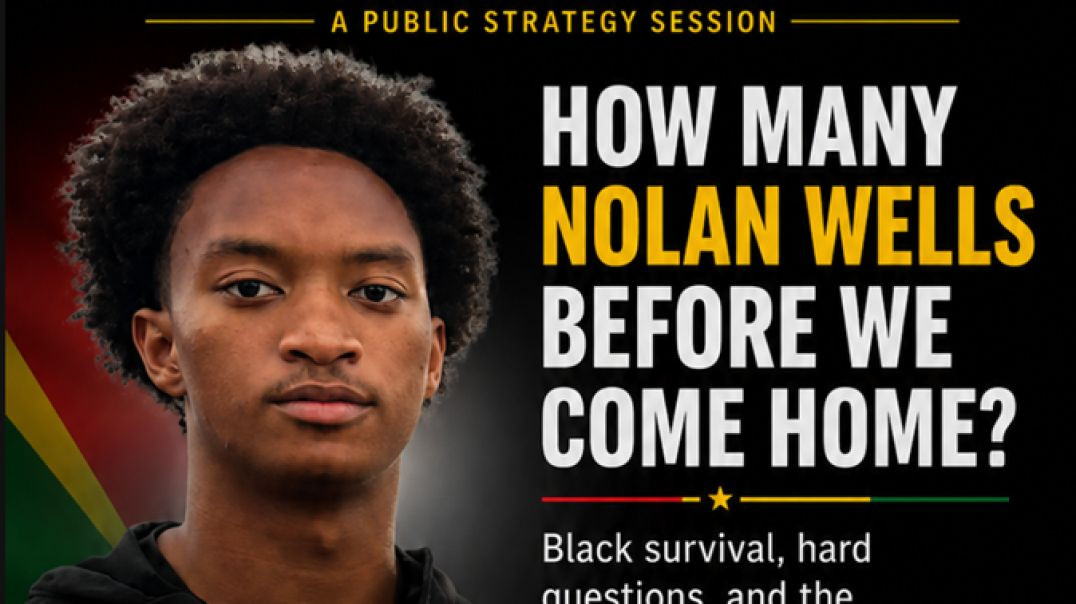
Abibitumi Exclusive Seminar - Public Strategy Session
How Many Nolan Wells Before We Come Home?
Black survival, hard questions, and the urgency of repatriation.
The death of 18-year-old Nolan Xavier Wells has forced Black families everywhere to confront painful questions about safety, institutional trust, racial vulnerability, and the future we are building for our children.
This Abibitumi Exclusive Seminar moves beyond outrage and into strategy. Ɔbenfo Ọbádélé Bakari Kambon will examine the Nolan Wells case, the broader reality facing Black people, and the urgent need to make repatriation a concrete, organized plan.
“A race without authority and power is a race without respect.”— Nana Marcus Mosiah Garvey
Come prepared for a fact-grounded, race-conscious conversation about Black survival, Ghana, repatriation, and what it means to build a future where Black life is protected, valued, and backed by organized Black Power.
Saturday, August 1st, 20267:00 PM GMT | 3:00 PM Eastern
Investment: $10
Register now http://www.abibitumi.com/repatnow
Bring your questions. Bring your family. Leave with a pathway.