- General Videos
- Music
- Economics
- Health
- Travel & Events
- History
- Psychology
- Spirituality
- Movies
- News & Politics
- Kmtyw Combat Sciences
- Ɔbenfo Ọbádélé Kambon Videos
- Ɔbenfoɔ Kamau Kambon: Black Liberation Philosophy
- Science, Tech, Engineering and Math
- Permaculture
- Self-Sustainability
- Living Off Grid
- Yoruba Language Learning
- Education
- Mmɔfra Adesua
- Nana Kamau Kambon Playlist
- Livestream
- Komplementarity Kouples and Revolutionary Singles
- Abibitumi Film Series
- Decade of Our Repatriation
- Kwento xpr
- Live
Top videos
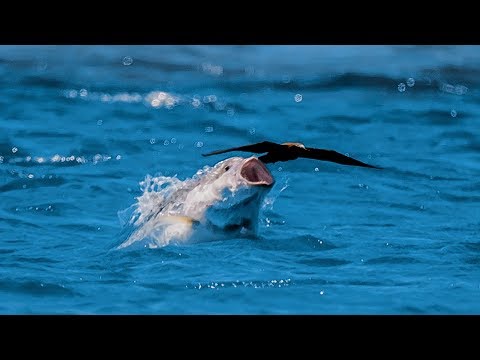

Watch what happens when a Giant Trevally versus an Tern in this amazing fish eats bird clip from Blue Planet II. Usually Giant trevally are solitary hunters but they have come in numbers to try their luck at catching potential prey. Subscribe: http://bit.ly/BBCEarthSub
Fledgling Tern are wary to spend too much time on the water but even flying close to the surface puts them in grave danger.
Watch More:
Planet Earth http://bit.ly/PlanetEarthPlaylist
Blue Planet http://bit.ly/BluePlanetPlaylist
Planet Earth II http://bit.ly/PlanetEarthIIPlaylist
Planet Dinosaur http://bit.ly/PlanetDinoPlaylist
Order Blue Planet II items now:
DVD:
https://www.amazon.co.uk/Blue-Planet-II-DVD/dp/B0758QDMC5/ref=sr_1_1_twi_dvd_2?ie=UTF8&qid=1508170266&sr=8-1&keywords=blue+planet+II
Book:
https://www.amazon.co.uk/Blue-Planet-II-James-Honeyborne/dp/1849909679/ref=sr_1_cc_1?s=aps&ie=UTF8&qid=1508170292&sr=1-1-catcorr&keywords=blue+planet+II+book
This is a commercial channel from BBC Studios. Service & Feedback https://www.bbcstudios.com/contact/contact-us/
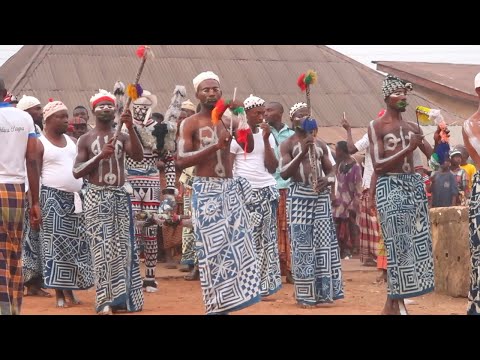

This video is about whether Nigerian cultures are dying in the diaspora. Is the Igbo culture dying inside and outside of Nigeria? Why are Igbos' no longer speaking Igbo or teaching their children the language. How to ensure the continuation of African culture especially in the diaspora where there are external forces working against it.
Udochi, founder of Ikenga Nation chat about our experiences in the diaspora.
Sendwave offers a 1% transaction fee from the U.S. and 0% transaction fees and a "great exchange rate" from Europe's sending countries: U.K., Italy, Spain, and Ireland. When you send remittances through Sendwave, you can pick the money at ANY Zenith, Fidelity, First Bank, GT, or Access Bank branch! Recipients don't need an account with either bank – just their *BVN, a form of I.D. like their passport or driver's license*, and their phone with the 2 Sendwave codes!
If you do decide to use Sendwave, use my promo code IVEOMA. It is a fantastic way to support the movement to help Diaspora invest in Nigeria.
------------------------------------------------------
Iveoma Media uncovers the investment opportunities in Nigeria.
Visit us at: https://www.iveoma.com
Email: hi@iveoma.com
IM on Clubhouse: @iveomamedia
IM Group on Facebook: https://www.facebook.com/groups/iveomamedia
IM on Instagram: https://www.instagram.com/iveomamedia/
IM on Twitter: https://twitter.com/iveomamedia
FTC: Iveoma Media does not endorse or recommend individuals, products, or services that may be discussed on this platform. Iveoma Media expressly disclaims all liability for claims or damages that may result from reliance on the content. Iveoma Media accepts no responsibility for the opinions and information posted on this platform. In no event shall Iveoma Media be liable to you or anyone else for any decision made or taken by you in reliance on information on this site.


A thorough exploration of the central concepts that make solar power work.
Get on Patreon and help fund my 3D animation obsession! It wouldn't feel right to put sponsorship segments in the middle of high quality educational content, so let's try another way together:
https://www.patreon.com/animagraffs
Need 3D illustration and animation? Have suggestions for what to explain next? Animagraffs can help! Let's chat: https://animagraffs.com/contact/
License Animagraffs work for your own purposes
https://animagraffs.com/licensing/
See more explanations of how things work at: https://animagraffs.com/
I use Blender 3D to create these models. It's free and open source, and the community is amazing:
https://www.blender.org/
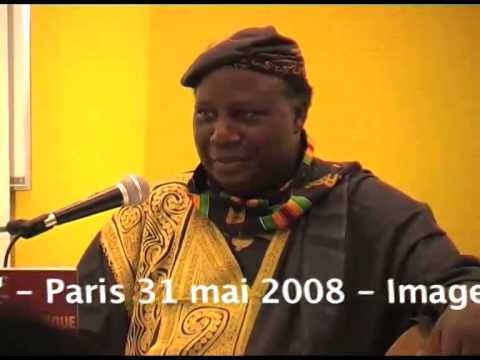


HAPI Talks with Dr. Charles Finch about the correlation between Medicine and African philosophy with a close look at Traditional healing methods.
Please visit www.hapifilm.com to get a copy of the Groundbreaking documentary film HAPI and all the latest HAPI gear.
Don't forget to LIKE, SHARE & SUBSCRIBE to our channel so that we can continue to bring you excellent programming.
Cash app: $hapifilm

#drmaat #truthtopower #haiti #haitianrevolution #haitiearthquake #haitipresident #1804 #hillaryclinton #barakobama #emancipation #slavery #caricom #ushistory #blackhistory #africanhistory #hometeamhistory
SISTER EZILI DANTO'S WEBSITE
https://ezilidanto.com/
INTRO/OUT SONG
"Truth to Power"- by The Paradigm Shift (Amadaye The Apostle & Genesys Dayz)
Here is the link to the full song: https://www.reverbnation.com/amadayetheapostle/song/32112869-truth-to-power?fb_og_action=reverbnation_fb:unknown&fb_og_object=reverbnation_fb:song&player_client_id=j29dsi7kl&utm_campaign=a_public_songs&utm_content=reverbnation_fb:song&utm_medium=facebook_og&utm_source=reverbnation_fb:unknown
GET EDUCATIONAL PRODUCTS FOR YOUR CHILDREN HERE:
https://edanimeproductions.com/shop
CONNECT WITH ME ON FACEBOOK: https://facebook.com/droyaadwoamaat
EMAIL ME:
dr.maat.msu@gmail.com