- General Videos
- Music
- Economics
- Health
- Travel & Events
- History
- Psychology
- Spirituality
- Movies
- News & Politics
- Kmtyw Combat Sciences
- Ɔbenfo Ọbádélé Kambon Videos
- Ɔbenfoɔ Kamau Kambon: Black Liberation Philosophy
- Science, Tech, Engineering and Math
- Permaculture
- Self-Sustainability
- Living Off Grid
- Yoruba Language Learning
- Education
- Mmɔfra Adesua
- Nana Kamau Kambon Playlist
- Livestream
- Komplementarity Kouples and Revolutionary Singles
- Abibitumi Film Series
- Decade of Our Repatriation
- Kwento xpr
- Live
Top videos
![Eritrea - French Documentary [1980]](https://i.ytimg.com/vi/vQJkjDJacZ8/hqdefault.jpg)
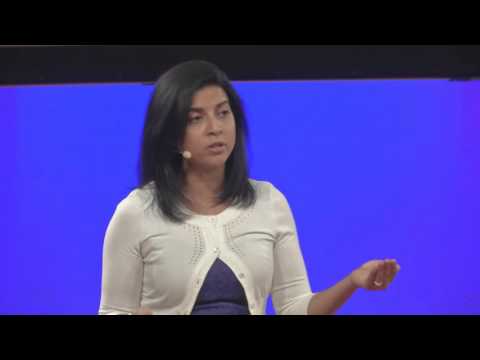

There are 1.5 billion small family farmers, men and women, who live and work on around 475 million family farms, that are no more than 2 hectares in size. Monika reminds us up to 80% of all food consumed in the world are grown by these farmers, and these people are at the forefront of our fight for food security in the face of climate change.
Monika Barthwal-Datta is a Senior Lecturer in International Security in the School of Social Sciences, Faculty of Arts and Social Sciences, UNSW. Growing up, Monika lived and studied in a number of countries, including India (where she comes from), Japan, New Zealand, Uganda and ultimately the UK where she completed her postgraduate studies. While studying for her MScEcon in Security Studies (Aberystwyth University) and then her PhD in International Security (Royal Holloway College, University of London), Monika worked as a freelance broadcast journalist for the BBC World Service Radio. She moved to Sydney in late 2010 to take up a two-year research fellowship on Food Security in Asia at the Centre for International Security Studies, University of Sydney, and moved to UNSW Australia in mid-2012. Monika’s research focuses on international security from ‘non-traditional’ perspectives that prioritise the needs and concerns of those who are least powerful and marginalised.
This talk was given at a TEDx event using the TED conference format but independently organized by a local community. Learn more at http://ted.com/tedx

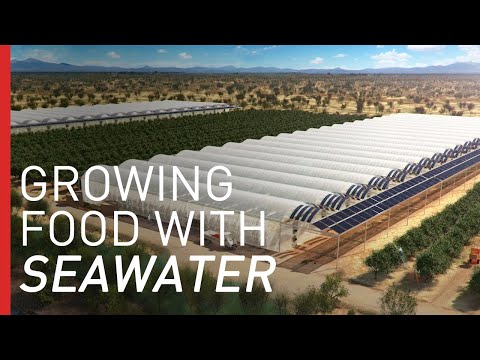
Water is in short supply in much of the world - but what if we use seawater? It's been a dream for many years, but now technology is making it possible. This new seawater greenhouse uses a clever cardboard design to distill fresh water from salt water cheaply and efficiently. It's helping grow crops in Somaliland, and could help stop the water crisis in Africa and other parts of the world that are susceptible to drought. The founder of Seawater Greenhouse, Charlie Paton, explains how unlike traditional greenhouses - which are hothouses - this one is a "cool house" that is ideal for growing temperate crops in deserts or other hot, arid regions. What do you think? Will this succeed at turning desert into farmland? What other projects have caught your eye?
Website: http://www.freethink.com


We climbed Mt. Kilimanjaro in the rain. Watch video for more details.
Donate and help us to grow our channel.
cashapp: $unmad
paypal: paypal.me/ajackson333
Music from Soundstripe and Artlist was used in the making of this video.
Join this channel to get access to perks:
https://www.youtube.com/channe....l/UCYX69qkuOlrevImNs
![Water Harvesting an African Rain Farmer: Design Guidelines for Regenerative Systems [2017]](https://i.ytimg.com/vi/D6_WZ789lpM/hqdefault.jpg)
“You must plant the rain before you plant a seed or tree!” proclaimed rain farmer Mr. Zephaniah Phiri Maseko of Zimbabwe. By doing just that, he and his family turned a wasteland into an oasis, raised groundwater and well levels even in dry years, reduced flooding in wet years, and enhanced the fertility of the soils. This inspiring story will be shared along with the strategies used, and more importantly, the guiding principles that informed the choice, placement, and implementation of these strategies into a more integrated and productive system. These principles work in any climate experiencing a dry season or drought. And they help us see and act more holistically by asking us questions that direct our attention to important aspects of water and fertility systems we might otherwise overlook.
Presenter: Brad Lancaster is a dynamic teacher, consultant, and designer of regenerative systems that sustainably enhance local resources and our global potential. He is the author of the award-winning, best-selling book series Rainwater Harvesting for Drylands and Beyond.
Download the presentation slide pdf here : http://edn.link/xfqc94
To see other videos from the Conference : http://edn.link/eiac-video-2016
For more information about ECHO, visit https://www.echocommunity.org
![The Water Harvester: A Film on Zephaniah Phiri [2014]](https://i.ytimg.com/vi/ieqYZaT0JwA/hqdefault.jpg)