- General Videos
- Music
- Economics
- Health
- Travel & Events
- History
- Psychology
- Spirituality
- Movies
- News & Politics
- Kmtyw Combat Sciences
- Ɔbenfo Ọbádélé Kambon Videos
- Ɔbenfoɔ Kamau Kambon: Black Liberation Philosophy
- Science, Tech, Engineering and Math
- Permaculture
- Self-Sustainability
- Living Off Grid
- Yoruba Language Learning
- Education
- Mmɔfra Adesua
- Nana Kamau Kambon Playlist
- Livestream
- Komplementarity Kouples and Revolutionary Singles
- Abibitumi Film Series
- Decade of Our Repatriation
- Kwento xpr
- Live
Top videos



➡️ Sign Up Today To Join The 'I Never Knew Tv' Movement:
https://ineverknewtv.com/sign-up/
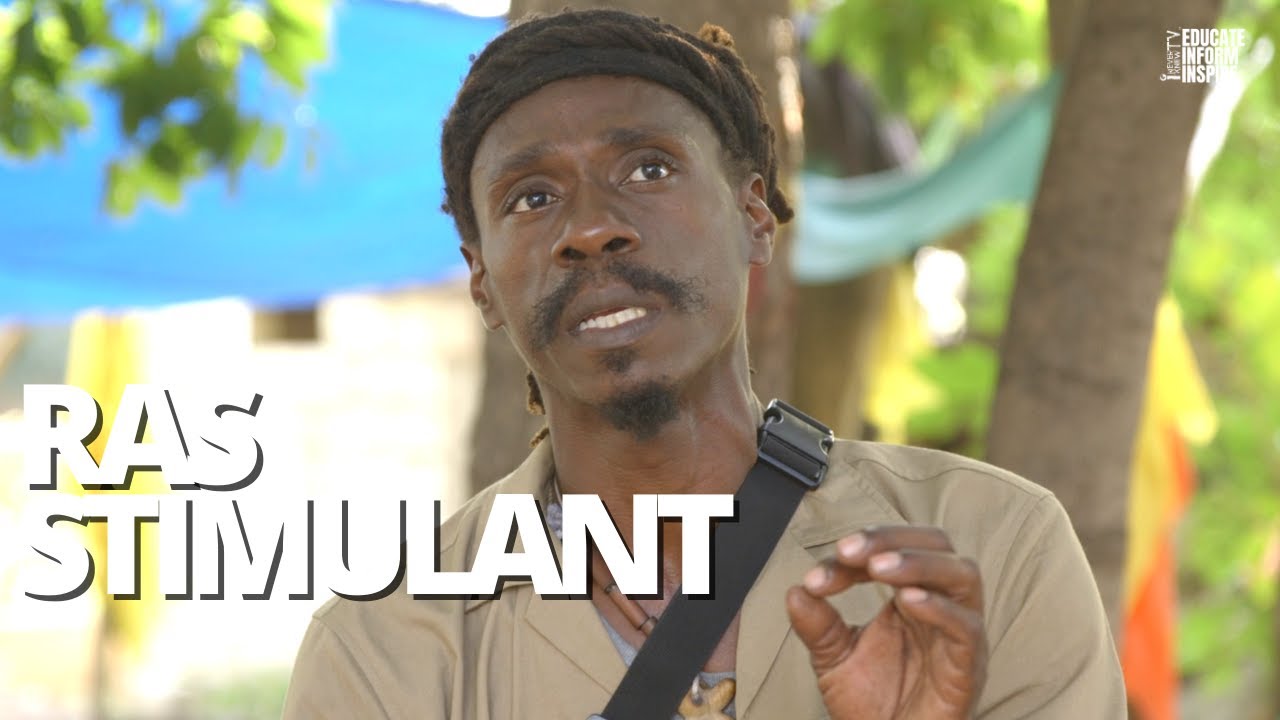
In this reasoning Ras Stimulant speaks on the dangers of consuming genetically modified vegetables covered in fertilizers.
Stimulant goes on to encourage people to work hard to source organic foods and try their best to grow their own foods.
➡️ Listen To The 'Generation Gap Riddim':
🔥🇬🇳 https://ingrv.es/generation-gap-riddi-3qn-i 🇬🇳🔥
➡️ Tune into 'I NEVER KNEW 📻'
🇲🇱Roots, Rock, Reggae Music🇲🇱
Hosted By : Jr of 'I Never Knew Tv'
https://www.WLOY.org
Sunday 9 -11 AM EST
Wednesday 8- 10 AM EST
Thursday 10- Noon AM EST
#vegetables #ineverknewtv

![Malika - Warrior Queen Animated Pilot/Film [FULL]](https://i.ytimg.com/vi/4dBVuTbjy6I/maxresdefault.jpg)

Don't forget to SUBSCRIBE to our CHANNEL to be notified about EPISODE 2! Want more Malika? DOWNLOAD our App here: https://subscribe.youneekstudios.com to get access to ALL our comics/content PLUS bonus EXCLUSIVES for just $2.99/month.
FOLLOW US:
Facebook: https://www.facebook.com/YouNeekStudios/
Instagram: https://www.instagram.com/youneekstudios/
Twitter: https://www.twitter.com/youneekstudios/
ACTORS
Malika - Adesua Etomi-Wellington
Chief Dogbari - Femi Branch
King Bass/WindMaker - Deyemi Okanlowan
General Ras - Sambasa Nzeribe
Abdul - Blossom Chukwujekwu
CREW
Written, Directed & Produced by Roye Okupe
Executive Produced by Niyi Akinmolayan
Animation by Anthill Studios
Post-Production by YouNeek Studios
Music by Femi "Fem D" Agunbiade
Sound Design & Mixing by Aube Production (Patrick Ruane, Clement Ignace & Angel Ignace)
SYNOPSIS
Set in fifteenth-century West Africa, Malika: Warrior Queen follows the exploits of Queen and military commander, Malika, who struggles to keep the peace in her ever-expanding empire. Growing up as a prodigy, Malika inherited the crown from her father in the most unusual of circumstances, splitting the Kingdom of Azzaz in half. After years of civil war, Malika was able to unite all of Azzaz, expanding it into one of the largest empires in all of West Africa.
But expansion would not come without its costs. Enemies begin to rise within her council, and Azzaz grabbed the attention of the most feared superpower the world has ever known: the Songhai Empire. As Malika fights to win the clandestine civil war within the walls of her empire, she must now turn her attention to an indomitable and treacherous foe that plans to vanquish her entire people. From dragons to mythical relics, a feuding royal family and magical swords, the story of Malika: Warrior Queen stays true to the fantasy genre while adding something new by setting familiar concepts in an awe-inspiring African setting.


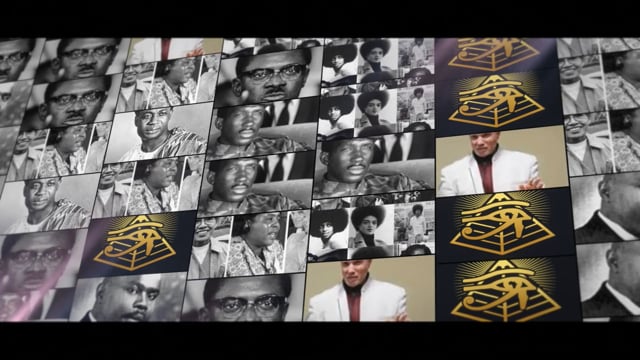
Marcus Mosiah Garvey, the greatest organizer of the 20th century, the brilliant visionary and strategist who took Pan-Africanism from theory to practice. A real-life hero, who has inspired and influenced great Black leaders for over 100 years. The magnitude of his cultural contribution is finally reaching the masses. This short documentary: Whirlwind, The Marcus Garvey Story, offers a glimpse into the man, his mission and his legacy.
"This is the best thing ever done on my father." - Dr. Julius Garvey
Support Dr. Julius Garvey's effort of exonerating his baba, Nana Garvey. www.officialgarveybooks.com
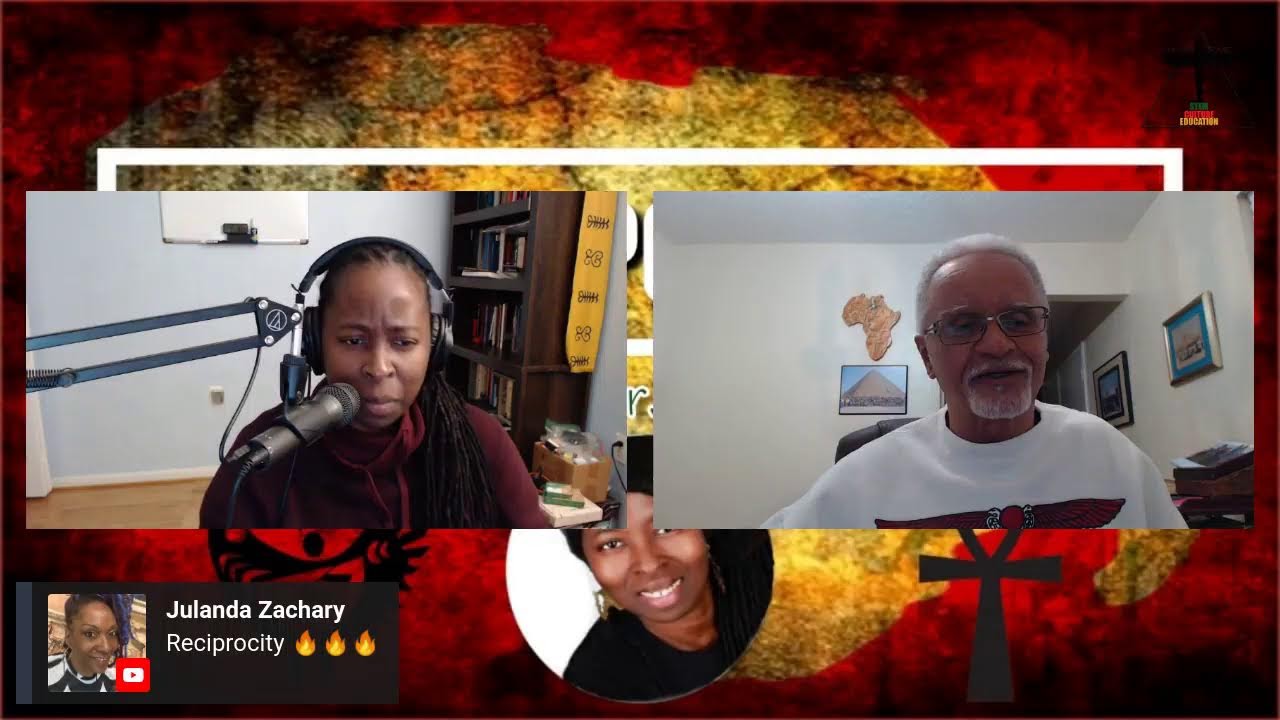
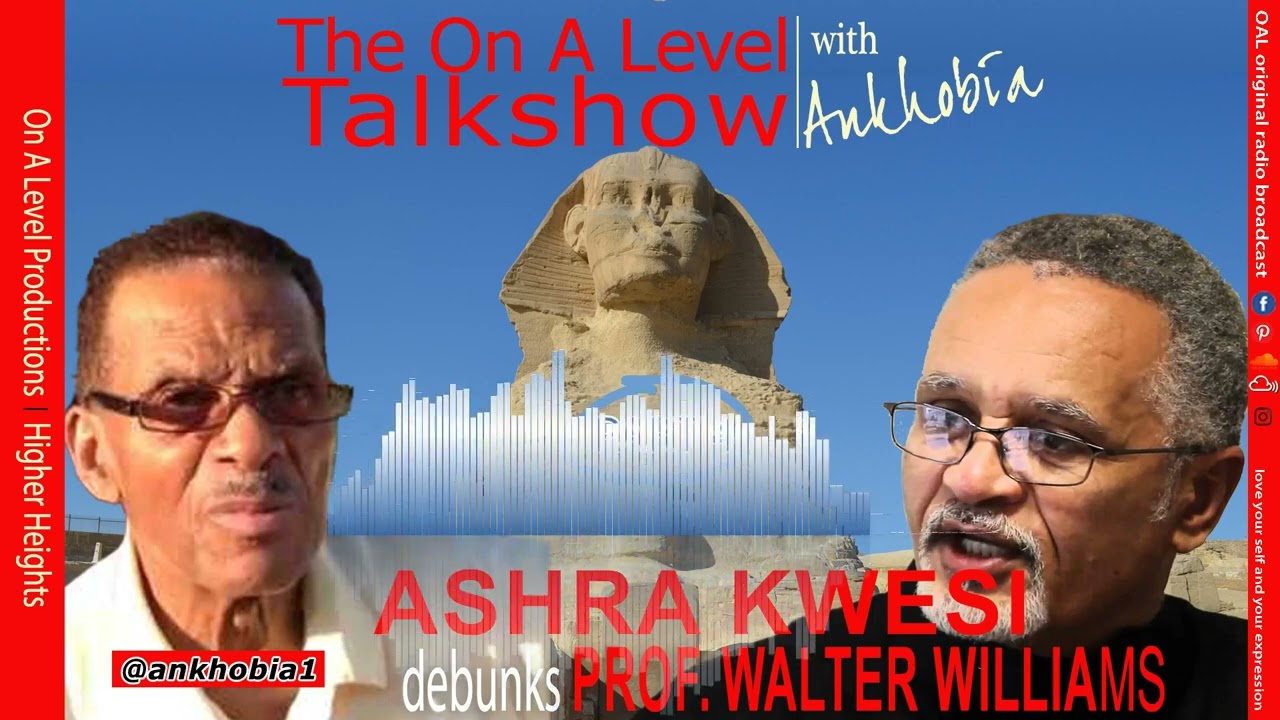

Ashra Kwesi responds to Prof Walter Williams claims on Ancient Egypt (Kemet) as aired on part 3 of this 4 part series.
If you love watching 'ON A LEVEL' Talkshows like this one, become a subscriber and support my mission to take you 'On Another Level of Awakening' by Commenting, Liking and Sharing.
......................
My channel features discussions, interviews, documentaries hosted and produced by me interviewing real people who overcome extreme challenges, educational and business professionals, artists, health experts, government ministers, critical thinkers and doers. Subscribe to my channel for videos that are sure to awaken you. For any formal queries please submit a Media Request to: Ankhobia@hotmail.co.uk or on-a-level@hotmail.co.uk
Watch more:
https://www.youtube.com/c/Ankhobia/playlists