- General Videos
- Music
- Economics
- Health
- Travel & Events
- History
- Psychology
- Spirituality
- Movies
- News & Politics
- Kmtyw Combat Sciences
- Ɔbenfo Ọbádélé Kambon Videos
- Ɔbenfoɔ Kamau Kambon: Black Liberation Philosophy
- Science, Tech, Engineering and Math
- Permaculture
- Self-Sustainability
- Living Off Grid
- Yoruba Language Learning
- Education
- Mmɔfra Adesua
- Nana Kamau Kambon Playlist
- Livestream
- Komplementarity Kouples and Revolutionary Singles
- Abibitumi Film Series
- Decade of Our Repatriation
- Kwento xpr
- Live
Top videos


The Image of Africa has been distorted around the globe and we are changing the narratives via Youtube videos One Country At Time.Until the history of Africa is told by Africans, the story of greatness will always glorify the imperialists.!It's Time For Africans To Unite, Embrace their Culture and be Proud of their Roots & Tell Their Own Story!-AFRICA TO THE WORLD..Subscribe to unlocked the Real Africa!
Subscribe To Destination Africa Group TV
https://www.youtube.com/c/DestinationAfricaGroupTV
Looking for a Short stay place in Ghana?
Book With
https://www.instagram.com/wood....buryluxuryapartments
One On One Consultation With WODEMAYA
https://aiyawodemaya.com/consultation/
We Need Your Support To Make This Project A Successful One
For Sponsorship Advertisement & Business Enquiries
hello@mayaempiregroup.com
Donate & Support the Channel on Patreon:
https://www.patreon.com/wode_maya
Purchase Our T-Shirt To Support Our Journey!
https://teespring.com/proudly-africa
https://teespring.com/wodemaya-africa-to-the-world
https://teespring.com/maya-africa-to-the-world
https://teespring.com/born-afr....ican-in-america-blac
Let's Interract On:
Twitter
https://twitter.com/wode_maya
Instagram:
https://www.instagram.com/mrghanababy/
Like My Facebook page:
https://www.facebook.com/Wodemaya99/
I LOVE YOU

The Image of AFRICA has been DISTORTED around the WORLD & We are CHANGING the NARRATIVES via YOUTUBE videos One Country At Time.Until the HISTORY of AFRICA is told by AFRICANS, the story of GREATNESS will always GLORIFY the IMPERIALISTS!.
We are in Ghana & In this Episode.......
SUBSCRIBE TO UNLOCK THE REAL AFRICA FROM WODEMAYA
https://www.youtube.com/c/WODEMAYA
SUPPORT OUR JOURNEY WITH A $1 AS TRAVELLING IN AFRICA CAN BE EXTREMELY EXPENSIVE!
Paypal
https://www.paypal.com/paypalme/Mrghanababy
Patreon
https://www.patreon.com/wode_maya
SHOP YOUR AFRICAN WEARS FROM MY SISTER
https://dukezfashionline.com/
WANNA TALK TO WODEMAYA ONE on ONE?
https://wodemaya.me/consultation/
FOR ENQUIRIES & SPONSORSHIP
hello@wodemaya.africa
BUY MY MERCHANDISE
https://my-store-5edcf8.creato....r-spring.com/listing
https://my-store-5edcf8.creato....r-spring.com/listing
https://my-store-5edcf8.creato....r-spring.com/listing
MY SOCIAL MEDIA HANDLES
TWITTER
https://twitter.com/wode_maya
INSTAGRAM
https://www.instagram.com/mrghanababy
FACEBOOK
https://www.facebook.com/Wodemaya99/
I LOVE YOU


#unitedstatesofafrika #africanunity #panafrican #abibitumitv
many do not see what is happening with a united Africa. You will learn that this is just an illusion.
Let's see how.

Patreon:
https://www.patreon.com/HomeTeamHistory
OurBlackTruth Website:
https://ourblacktruth.com/
Afrographics:
http://afrographics.com
Resources:
List of African history books for Beginners:
https://bit.ly/2XgzSnd
How to teach you children African History: A Guide:
https://bit.ly/2V3V8L6
How the African Continent fell before Colonialism:
https://bit.ly/2ZqZjne
A timeline of Ancient African History:
https://bit.ly/2VhRdOC


Lamont Thomas recently adopted 5 siblings all under the age of 5 years old. He shares with Tamron Hall his determination to reunite siblings so that they would all be raised together.
#TamronHallShow #TamronHall
Subscribe to Tamron Hall Show: http://bit.ly/2QAZSuD
FIND YOUR TIME AND CHANNEL:
https://www.tamronhallshow.com
[Put in your zip code in the top portion of the website]
FOLLOW US:
Instagram: https://www.instagram.com/TamronHallShow/
Twitter: https://twitter.com/TamronHallShow
Facebook: https://www.facebook.com/TamronHall/
Pinterest: https://www.pinterest.com/tamronhallshow/
JOIN OUR SHOW:
https://www.tamronhallshow.com/be-on-the-show/
From the deeply moving to the purely fun, “Tamron Hall” is a daily destination for all things topical and a platform for viewers to connect with the people who are shaping our world through meaningful, engaging, and entertaining conversations. As a new mom, a newlywed, and a survivor who is proving you can accomplish anything at any age, Tamron Hall brings a refreshing, relatable, unpredictable, and unstoppable voice to television.
Broadcast from New York City featuring a dynamic mix of live and taped shows, “Tamron Hall” airs across the country in national syndication.
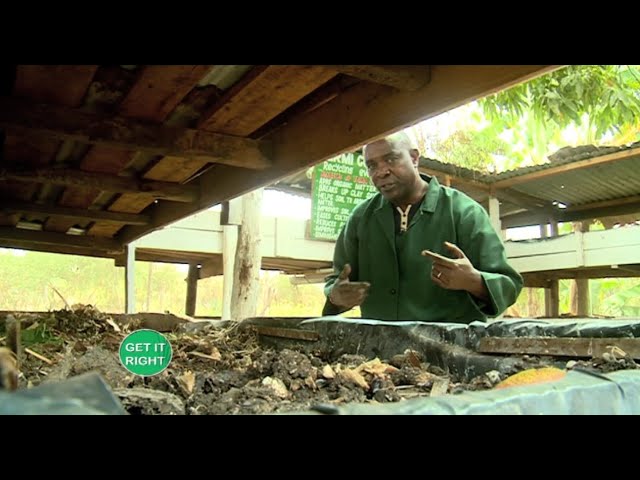

www.Farmers.co.ke is the site for authoritative multimedia agricultural and agribusiness content.
#FarmKenya
Visit us today for farming news, agribusiness tips, practical expert advice and industry updates.
SMS: 22071

The mantra One Zambia One Nation is very divisive and must never bee have used or uttered. Even the declaration that Zambia is a Christian Nation is abhorrent. Once you are clear on ; Where did Zambians come from?
Are they autochthonous in Zambia?
You will rise up from the deadening effect of these and many other neo colonial mental conditioning tools. Find out more about us in this video. Share widely, Comment and Subscribe…
References;
BBC News | SCI/TECH | Earliest evidence of art found
https://face2faceafrica.com/ar....ticle/siamun-the-lit
![Mhenga Amos N. Wilson: Love & Afrikan [Black] Relationships [1985]](https://i.ytimg.com/vi/5XxMM7FfL3k/hqdefault.jpg)