- General Videos
- Music
- Economics
- Health
- Travel & Events
- History
- Psychology
- Spirituality
- Movies
- News & Politics
- Kmtyw Combat Sciences
- Ɔbenfo Ọbádélé Kambon Videos
- Ɔbenfoɔ Kamau Kambon: Black Liberation Philosophy
- Science, Tech, Engineering and Math
- Permaculture
- Self-Sustainability
- Living Off Grid
- Yoruba Language Learning
- Education
- Mmɔfra Adesua
- Nana Kamau Kambon Playlist
- Livestream
- Komplementarity Kouples and Revolutionary Singles
- Abibitumi Film Series
- Decade of Our Repatriation
- Kwento xpr
- Live
Top videos


Support our work: https://democracynow.org/donate/sm-desc-yt
The U.S. implemented a naval blockade on Iran earlier this week. Laleh Khalili, a professor of Gulf studies who researches the shipping and logistics industry and its impact on the global economy says it could lead the U.S. military to begin “firing on ships that it assumes are Iranian or carrying oil from Iran or other cargo to Iran.” Iran, in response, could “interpret this as a belligerent action,” ending the fragile ceasefire agreed to by both parties. “Iran is going to defend itself against this imperial imposition, and how it's going to do that remains to be seen.”
Meanwhile, explains Khalili, shipping disruptions in the Gulf have affected the supply chains of key resources including oil, aluminum, helium and fertilizer. "Transportation costs are going to be higher, so food prices are going to be higher; people's MRIs are going to be scheduled out by six months … semiconductor manufacturing is going to be affected," Khalili says. "The crisis is only going to get more horrific before it gets any better."
Democracy Now! is an independent global news hour that airs on over 1,500 TV and radio stations Monday through Friday. Watch our livestream at democracynow.org Mondays to Fridays 8-9 a.m. ET.
Subscribe to our Daily Email Digest: https://democracynow.org/subscribe
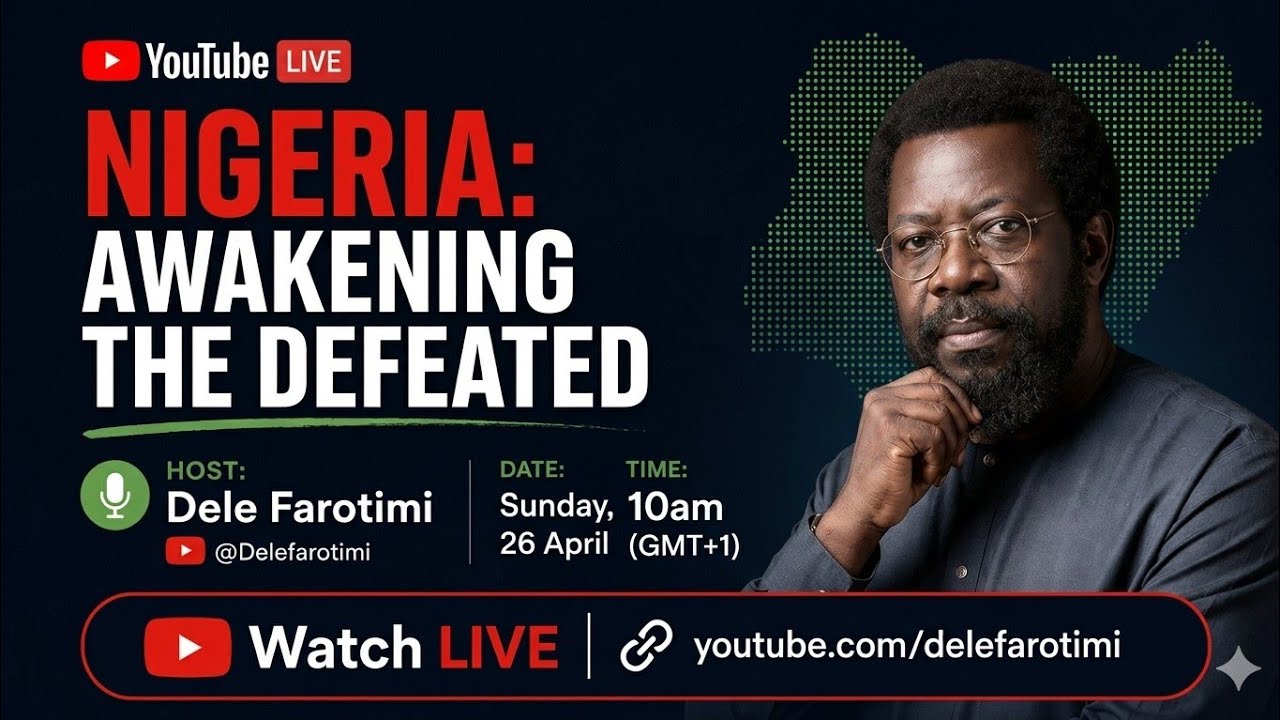

#delefarotimi © [2026] [Dele Farotimi]. All rights reserved. This video is protected by copyright law. No unauthorized downloading, reuploading, clipping, commercial use, or redistribution permitted without written permission. Fair use may apply in limited cases (commentary/news reporting), but wholesale copies violate copyright. #nigeria #nigerianrevolution #df #nigerianpolitics #1999constitution #nigerianyouth #nigerianprotests #nigeriangovernment
--
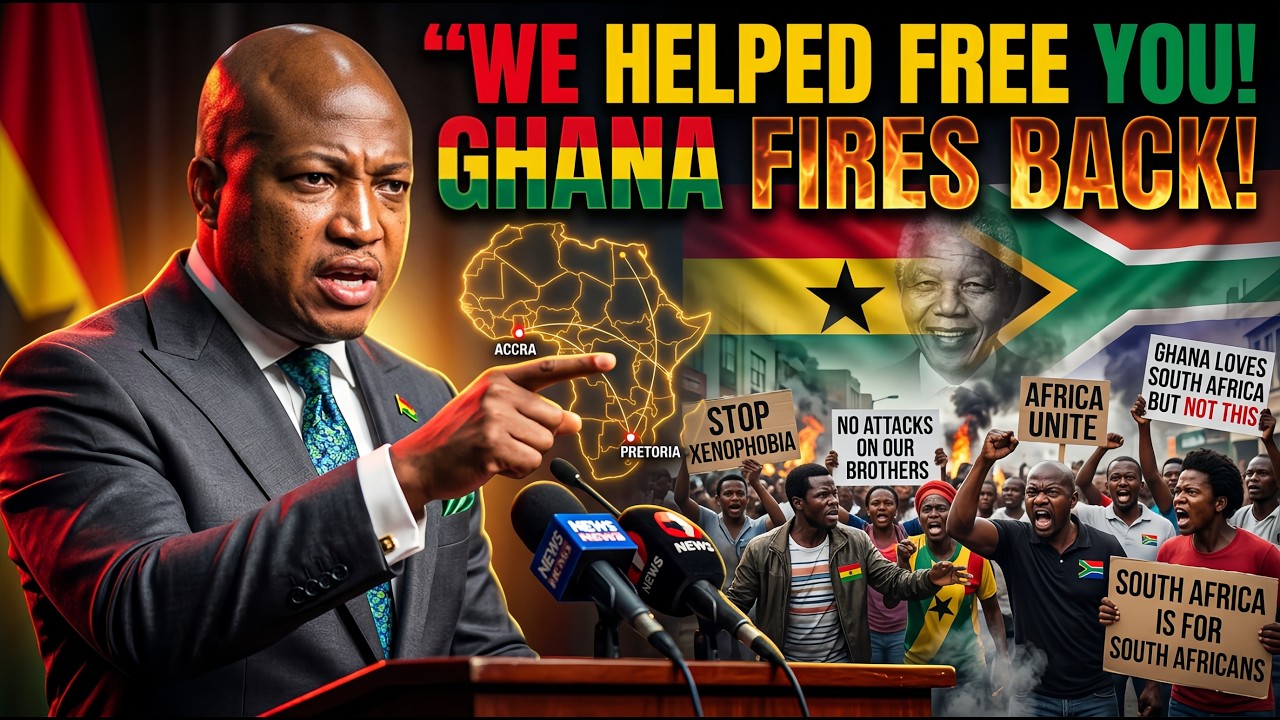
Ghana’s Foreign Minister BLASTS South Africa Xenophobia | “We Helped Free You!” | Africa Must UniteAfrica is one continent, but modern divisions often threaten our shared progress and history. In this powerful broadcast, we address recent anti-African sentiments and remind the world of the deep, unbreakable bonds between Ghana and South Africa. 🌍
The discussion dives into the historical sacrifices made by African nations to end apartheid, proving that our freedom is inextricably linked. We explore official data from Ghana's National Identification Authority and reference the legendary words of Nelson Mandela to debunk myths about migration and crime. This is a call for unity, respect, and a return to the spirit of Pan-Africanism. ✊🏾
Chapters
0:00 Welcome to United States of Africa TV
2:15 Responding to Anti-African Comments
4:30 Statistics on South Africans Living in Ghana
7:00 Mandela's Acknowledgement of African Support
9:45 Financial Aid and Diplomatic Passports for Freedom Fighters
12:30 Ghana's Role in the Anti-Apartheid Struggle
14:50 The Future of Pan-African Unity and Brotherhood
16:07 Closing Remarks
Key highlights from this video include a look at Nelson Mandela's book, Long Walk to Freedom, where he specifically thanks Ghana, Nigeria, and Tanzania for their leadership in the liberation struggle. You will learn about the diplomatic passports, scholarships, and financial resources provided by nations like Liberia, Senegal, and Ghana when South African activists were declared stateless. 📖
We also address the current climate of xenophobia and why it is vital to treat crime as an individual act rather than a reason to target fellow Africans. As Kwame Nkrumah famously said, the independence of Ghana is meaningless unless it is linked to the total liberation of Africa. This video is a must-watch for anyone who believes in a united and prosperous continent. 🇬🇭🇿🇦
Join the conversation and help us build the United States of Africa movement. Please subscribe to the channel, like this video, and share it across your social media platforms to spread the message of unity. 📢
We want to hear from you in the comments section:
Do you believe African countries today are doing enough to preserve true Pan-African unity?
Should African leaders do more to teach the younger generation about the sacrifices made for South Africa's liberation?
#panafricanism #africanunity #mandela #ghana #southafrica


Want to start speaking Twi with confidence? In this beginner-friendly lesson, you’ll learn 50 useful Twi phrases that you can use in real-life conversations every day. Whether you’re traveling to Ghana, connecting with family, learning about Ghanaian culture, or simply interested in African languages, this video will help you build your Twi vocabulary naturally through common phrases and expressions.
In this lesson, you’ll learn:
• Greetings in Twi
• Everyday conversation phrases
• Useful questions and responses
• Travel and social phrases
• Pronunciation practice
• Beginner-friendly Twi vocabulary
Twi is one of the most widely spoken languages in Ghana, and learning simple phrases is one of the fastest ways to start understanding and speaking the language naturally.
Perfect for:
✔ Complete Beginners
✔ Travelers to Ghana
✔ Diaspora reconnecting with culture
✔ Language learners
✔ Students learning Twi online
Subscribe for more Twi lessons, Twi phrases, Ghanaian culture content, and beginner-friendly language learning videos
Join The Family
📸 Tiktok and IG: @alittletwithadwoalee
1 on 1 lessons : https://www.italki.com/en/teac....her/12382000/akantwi
Children's book Amazon: Nana Yaa ne Asantewaa https://www.amazon.co.uk/Nana-Yaa-Asantewaa-Twi-English-Affirmations/dp/B0GX71YJ8C/ref=sr_1_1?crid=2HRV4UHR34ANN&dib=eyJ2IjoiMSJ9.aCtpUNpBb4dKFAlRWfYKPZHmarj3p8eFUbFwJFF1yX_GjHj071QN20LucGBJIEps.u74TJuO9Mib8mhhO44NiOGrF7WdT1NsgmCbvafqTXmM&dib_tag=se&keywords=nana+yaa+ne+asantewaa&qid=1779570161&sprefix=nana+yaa+n%2Caps%2C131&sr=8-1
7 DaysTwi For Tourists https://www.amazon.co.uk/Twi-Tourists-Meanings-phonetic-pronunciations/dp/B0GY4RLZN6/ref=sr_1_1?crid=1YW4JSZDB70W0&dib=eyJ2IjoiMSJ9.tfsnNMMrLqY5tzvC1BRmAQ.DjfMvDpiRaQ4CaIqakD30a6bTO5PpzC55kcCuMyAqTw&dib_tag=se&keywords=TWI+FOR+TOURISTS&qid=1779570289&sprefix=twi+for+tourists%2Caps%2C124&sr=8-1


Looking to learn more about visiting or relocating to Ghana? Make sure you download your Ghana Guide NOW!
https://timswain.com/akwaaba
.
.
.
.
Contact me:
IG: https://www.instagram.com/mrtimswain/
W: https://www.mrtimswain.com
E: info@mrtimswain.com
This video was made possible through the generous support of the Swearer Center for Public Service at Brown University. We are grateful for their contribution toward creating and sharing this conversation.
https://swearer.brown.edu
#africandiaspora
#ghanabusiness
#timswain
00:00-Into
03:00-Defining "Diaspora"
07:00-Ghana Integration
15:00-Missing Identity
26:00-South African in Ghana
33:00-Diaspora Challenges
40:00-Classicism in Ghana
48:00-African Stereotypes
55:00-Intercultural Dating
1:06:00-Homesickness