- General Videos
- Music
- Economics
- Health
- Travel & Events
- History
- Psychology
- Spirituality
- Movies
- News & Politics
- Kmtyw Combat Sciences
- Ɔbenfo Ọbádélé Kambon Videos
- Ɔbenfoɔ Kamau Kambon: Black Liberation Philosophy
- Science, Tech, Engineering and Math
- Permaculture
- Self-Sustainability
- Living Off Grid
- Yoruba Language Learning
- Education
- Mmɔfra Adesua
- Nana Kamau Kambon Playlist
- Livestream
- Komplementarity Kouples and Revolutionary Singles
- Abibitumi Film Series
- Decade of Our Repatriation
- Live
Top videos
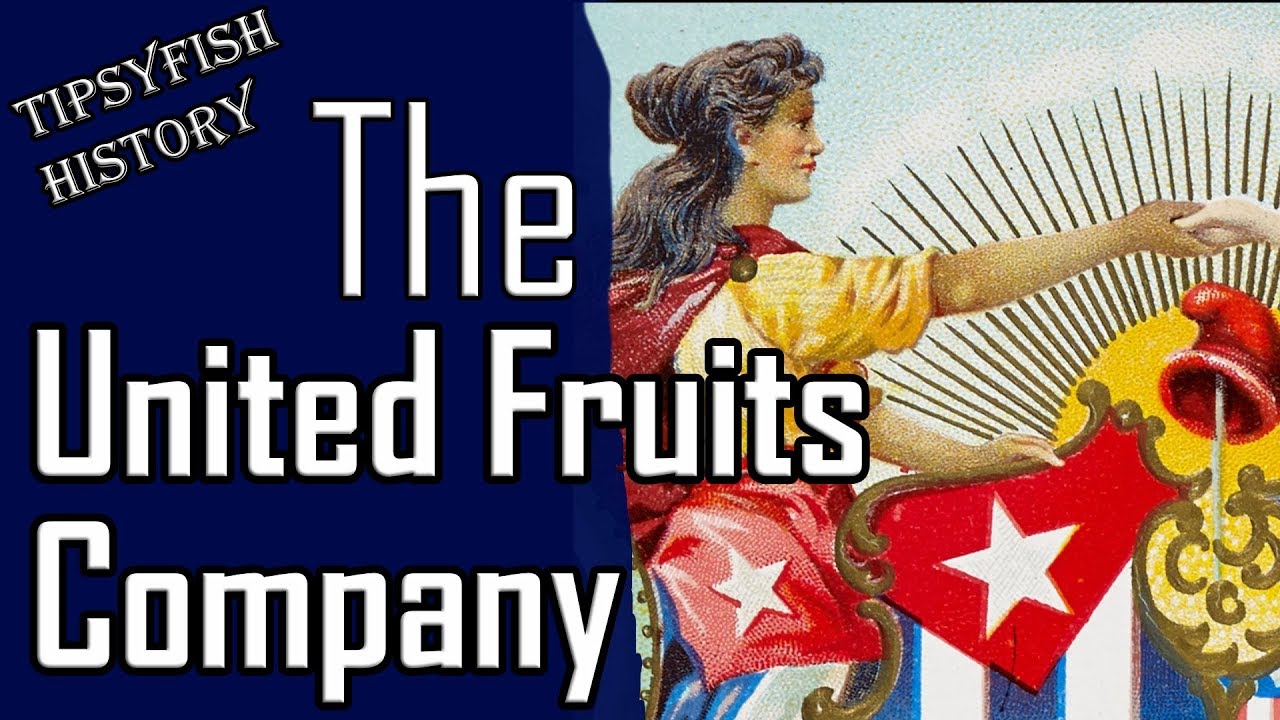

The United Fruits Company was and is a major corporation that holds a massive amount of history and influence in regards to Central America. This company, paved the way for massive American control over the economics, political, and geopolitical landscape of many of these nations. In today's video, we will be looking into the early history of this company.
______________________
Support The Channel:
Second Channel ► https://www.youtube.com/channe....l/UCRnm8Cyp7FM6ahtVj
♥Patreon ► https://www.patreon.com/Tipsyfishs
♥PayPal ► https://www.paypal.com/paypalme/TipsyF
Facebook ►: https://www.facebook.com/TipsyHistory
Have a topic you want to suggest? Say so in the comments below. Subscribe if you enjoyed the video as well, would be super appreciated
In 1871, U.S entrepreneur Henry Meiggs signed a contract with the government of Costa Rica to build a railroad connecting the capital city of San José to the port of Limón. Meiggs was assisted in the project by his nephew Minor C. Keith, who took over Meiggs's business in Costa Rica after his death in 1877. Keith began experimenting with the planting of bananas as a cheap source of food for his workers.
When the Costa Rican government defaulted on its payments in 1882, Keith had to borrow 1.2 million pounds to continue the engineering project. In exchange for this and for renegotiating Costa Rica's own debt, the administration of President Próspero Oreamuno agreed to give Keith 800,000 acres of land along the railroad, plus a 99-year lease on the train route. The railroad was completed in 1890, but the flow of passengers proved insufficient to offset the debt. On the other hand, the sale of bananas grown in his lands and transported first by train to Limón, then by ship to the United States, proved very lucrative. Keith eventually came to dominate the banana trade in Central America and along the Caribbean coast of Colombia.
In 1899, Keith lost $1.5 million when a New York City broker, went bankrupt. He traveled to Boston, to participate in the merger of his trading company, Tropical Trading and Transport Company, with the rival Boston Fruit Company. Boston Fruit had been established by Lorenzo Dow Baker, a sailor who, in 1870, had bought his first bananas in Jamaica, and with buisnessman Andrew Preston. The merger formed the United Fruit Company, based in Boston, with Preston as president and Keith as vice-president. Preston's lawyer Bradley Palmer, became a permanent member of the executive committee and for long periods of time acted as the director. Together, these men had a massive influence over the market. Preston brought his plantations from the West Indies, a fleet of steamships, and his market in the U.S. Northeast. Keith brought his plantations and railroads in Central America and his market in the U.S. South and Southeast. The company at Palmer's direction proceeded to buy, or buy a share in, 14 different competitors, assuring them 80% of the banana import business in the United States, then their main source of income. The company catapulted into financial success following this. Bradley Palmer overnight became a much-sought-after expert in business law, as well as a very wealthy man. He later became a consultant to presidents and an adviser to Congress.
Sources:
"The Second Century: U.S.--Latin American Relations Since 1889": Mark T. Gilderhusrt
" The Banana Wars: United States Intervention in the Caribbean, 1898–1934.": Lester Langly
"The Banana Wars: A History of United States Military Intervention in Latin America from the Spanish–American War to the Invasion of Panama": Ivan Musicant




#TheNewBlackMind
► Subscribe to Transatlantic Productions 💥Smash The LIKE Button👍🏿 Share↗️ & hit the Notifications Bell 🔔
► Donate so we can complete the upload https://www.gofundme.com/tapvideo
► Cash App: $Tapvideo $Moneymark0730 $BrotherRonn $LadySapphire5D
► Share on video on all Social Media.
► Website https://tapvideo.blogspot.com
https://www.facebook.com/Tapvi....deocom-7441435789873
► Back up Channels:
https://www.youtube.com/channe....l/UCs9-wRHfFb7v7RQAi
https://www.youtube.com/user/savejamaica


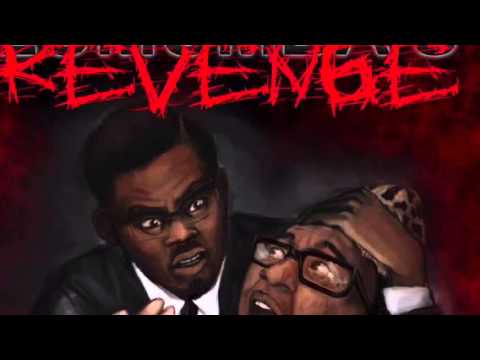

A new Zulu king has been crowned at a historic event attended by thousands in South Africa's coastal city of Durban.
King Misuzulu ka Zwelithini was formally acknowledged as monarch by President Cyril Ramaphosa, who gave him a certificate of recognition.
The ceremony was the first Zulu coronation since South Africa became a democracy in 1994.
It ends a long and bitter tussle to find a successor for King Goodwill Zwelithini who died last year.
Please subscribe HERE http://bit.ly/1rbfUog
#South Africa #ZuluKing #BBCNews


Relocation can be challenging and unpredictable for many. In this video we spend some time with with our African American sister as she shares her experience briefly about life in the Gambia.
Check out our blogs at www.rebyts.com
CONTACT US FOR BUSINESS:
Email info@rebyts.com for house tours, serious inquires only.
Support us on Paypal
ramizemusik@gmail.com
Subscribe to Ma'at On The Mat here: https://www.youtube.com/channe....l/UC1QA2ii3Ocnh7sOMH
If you need secure land in The Gambia contact Biamo here:
info@biamogroup.com
#thegambia #queenjodiandap #gambia
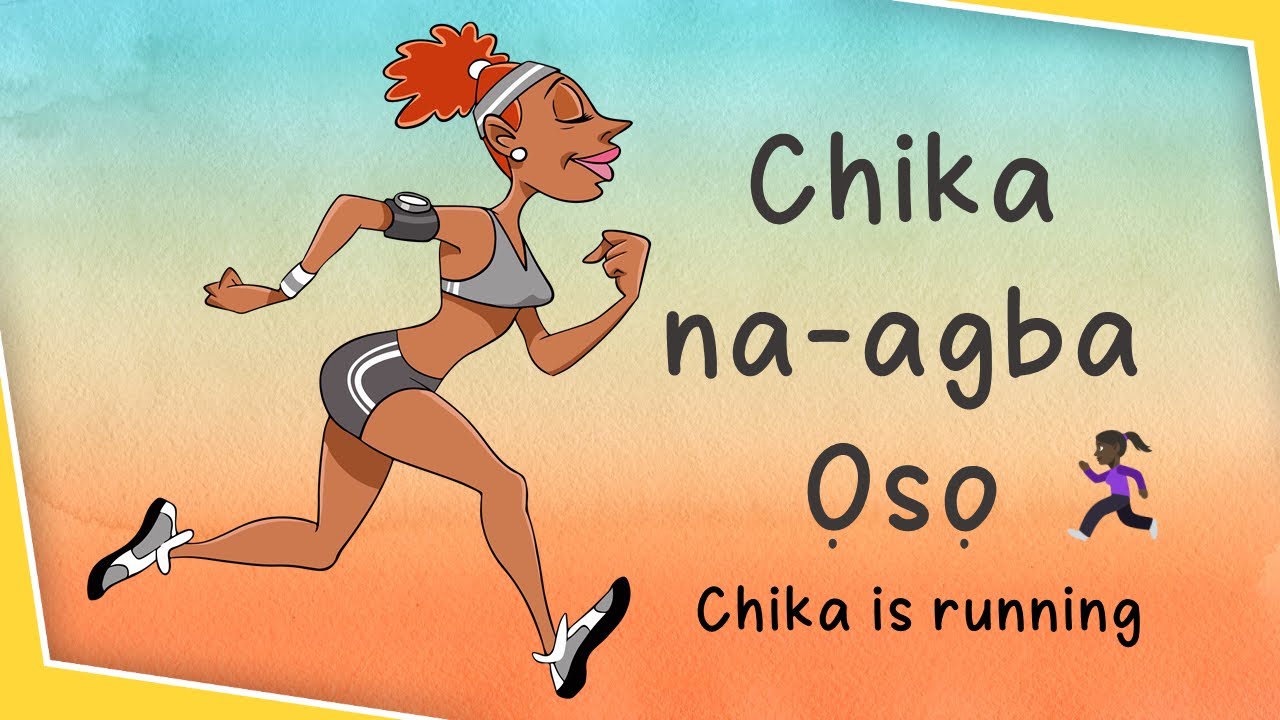

The Igbo Lesson for today is a centered around 3 main words - to run , to exercise and to shut one's eyes. The Title of the Story is Chika na-agba oso : Chika is running
------------------------------------------
❤ Please, support my channel & work in one (or more😊) of these ways:
😊 subscribe to my channel: ► https://www.youtube.com/c/lear....nigbo?sub_confirmati
💟 Buy me a coffee ► https://www.buymeacoffee.com/learnigbo
💟 Patreon ► https://www.patreon.com/learnigbo
------------------------------------------
READY TO TAKE YOUR IGBO TO THE NEXT LEVEL?
Visit ► https://learnigbonow.com to see what Igbo learning materials are available.
Private Membership for Adult and Children ► https://www.members.learnigbonow.com/
Illustrated Igbo Dictionary for Children on Amazon ► https://amzn.to/3HpHBpv
Igbo /English Storybook on Amazon - Gini ka osa na-eme ► https://amzn.to/3HpHBpv
Igbo / Engish Storybook on Amazon - Osita Osinri ► https://amzn.to/3EIdQOM
----------------------------------------
SHOP LEARN IGBO NOW (IGBO SWAG) MERCHANDISE
Merch ► https://www.igboswag.com
-----------------------------------------
GET SOCIAL WITH LEARN IGBO NOW
Instagram ► https://www.instagram.com/learnigbonow/
Facebook ► https://www.facebook.com/Learnigbonow/
YouTube Community ► https://www.youtube.com/learnigbo
Twitter ► https://twitter.com/learnigbonow
Newsletter with Subscriber Freebies ► https://www.learnigbonow.com/Igbotic-Newsletter
-----------------------------------------
MORE ABOUT LEARN IGBO CHANNEL & LEARN IGBO NOW
Learn Igbo with Yvonne Mbanefo: Igbo language, Igbo history,
Igbo Culture lessons that help people of Igbo descent reconnect with their roots.
What You can expect from this channel: hacks, tips and tricks to help on your journey to speaking Igbo
fluently and answer your questions about Igbo people.
#igbolanguage #igbophrases #yvonnembanefo