- General Videos
- Music
- Economics
- Health
- Travel & Events
- History
- Psychology
- Spirituality
- Movies
- News & Politics
- Kmtyw Combat Sciences
- Ɔbenfo Ọbádélé Kambon Videos
- Ɔbenfoɔ Kamau Kambon: Black Liberation Philosophy
- Science, Tech, Engineering and Math
- Permaculture
- Self-Sustainability
- Living Off Grid
- Yoruba Language Learning
- Education
- Mmɔfra Adesua
- Nana Kamau Kambon Playlist
- Livestream
- Komplementarity Kouples and Revolutionary Singles
- Abibitumi Film Series
- Decade of Our Repatriation
- Kwento xpr
- Live
Top videos


Given the current global crisis that positions us at the crossroads of a viral pandemic, racial injustice, and the self defeating nature of white supremacy, the psychological toll is heavy for us all. Dr. Mawiyah Kambon discusses the ways to utilize the wisdom and healing practices of our ancestors for psychological wellbeing among people of African ancestry.
CONNECT WITH US:
Mwiyah Kambon, PhD
https://www.Onipa.com
Ifetayo Ojelade, PhD
https://www.IfetayoOjelade.com
https://www.AHealingParadigm.com
https://www.AtlantaContinuingEducation.com
Facebook - @AHealingParadigm
Instagram - @AHealingParadigm
Twitter - @DrIfetayo
LinkedIn - @Ifetayo
#AncestralHealing #AkanSpirituality #AfricanPsychology


Ghana late Presidents Jerry Rawlings Grave warning to Africa on How dangerous Western Media is to the Continent https://youtu.be/6k4hnv8F_-Q #Africaspeech #Westernmedia #NoMore #Ethiopia
Thank you for watching!
Have you liked this video yet? This is the greatest thing you can do to support our channel. Also please subscribe and share this video with friends and family.
Buy our Official Merchandise here https://www.2nacheki.shop/
Visit our Links: https://linktr.ee/2nacheki
2nacheki pronounced tunacheki which means 'We Are Watching ' in Swahili slang. Our goal is to educate, inform & entertain you all about the real Africa while showing the World that Africa is Watching.
We create numerous videos every day on African topics like Africa Lists Africa News Africa Music Africa Dances Africa Speeches Africa Entertainment Africa History Africa Interviews Africa Documentaries Panafricanism Africapop-culture African culture African Politics and more
Please contact us for tips, content submission, Ads, Takedowns, Collabos, Complaints, Reporting, and Inquiries #Africa #Africanews #2nacheki


#Goback2Africa #blackexpat #blackrepat #africa #africanamerican #africanamericantraveler
Welcome to my channel, please enjoy my travels to Africa where I have visited to date 1 Oct 21, 13 countries and I will be on my journey to complete the 54 countries from November 2021 onward. I have plentiful of information and if you desire to visit or move to the continent, please don't hesitate for a consultation and or my International Pre-Travel guide. Please look at my video given you the information to help and assist you https://youtu.be/6FaE131-lG4
I showcase Africa in my travels to include other countries. My desire is to change the narrative that the western world painted in a negative light of Africa. My channel has talks, words of wisdom, business, investing, purchase property in Africa and livestream discussions. I further show the negative impacts of America in how it continues to have a disregard for Black people. I know my channel is not for everybody whether you agree or not, but my intent is not to hurt people nor disrespect.
Email: GoBlack2Africa@gmail.com
Visit African, African Tours, Website: GoBlack2Africa.com *Will be up and running January 2022
Many have asked could they support my channel though I have refused until those felt lead to give. The following is how those can donate.
Cashapp: $Wigginnsrealty
PayPal: RJ and JR Realty


Watch The Full Philip DeFranco Show: https://www.youtube.com/defran....co?sub_confirmation=
Subscribe for more Quickie News: https://www.youtube.com/defran....co?sub_confirmation=
——————————
Produced by: Cory Ray, Philip DeFranco
Edited by: James Girardier, Maxwell Enright, Julie Goldberg, Christian Meeks, Matthew Henry
Art Department: William Crespo
Writing/Research: Chris Tolve, Philip DeFranco
————————————
#kids #weird #wtf

Welcome to 2nacheki news.
The United States is seeking to pass a law to counter Russia in Africa by tracking its military operations, investments, oligarchs, and suspected illicit financial flows.
#US to Pass Law to Monitor #Russia #Africa Allies as Retaliation for UN Snub https://youtu.be/9nhhjTY6Qpw #Africanews
Thank you for watching!
Have you liked this video yet? This is the greatest thing you can do to support our channel. Also please subscribe and share this video with friends and family.
Buy our Official Merchandise here https://www.2nacheki.shop/
Visit our Links: https://linktr.ee/2nacheki
2nacheki pronounced tunacheki which means 'We Are Watching ' in Swahili slang. Our goal is to educate, inform & entertain you all about the real Africa while showing the World that Africa is Watching.
We create numerous videos every day on African topics like Africa Lists Africa News Africa Music Africa Dances Africa Speeches Africa Entertainment Africa History Africa Interviews Africa Documentaries Panafricanism Africapop-culture African culture African Politics and more
Please contact us for tips, content submission, Ads, Takedowns, Collabos, Complaints, Reporting, and Inquiries #Africa #Africanews #2nacheki


In this video we sit down and discuss a very timely and important message with our brother and sister from Witness Our Divine YT channel. Enjoy ✊🏽
Interact with our guests at www.witnessourdivine.com
Interact with me. 👇🏾
https://linktr.ee/Timfordjr
Email: timfordjrbookings@gmail.com
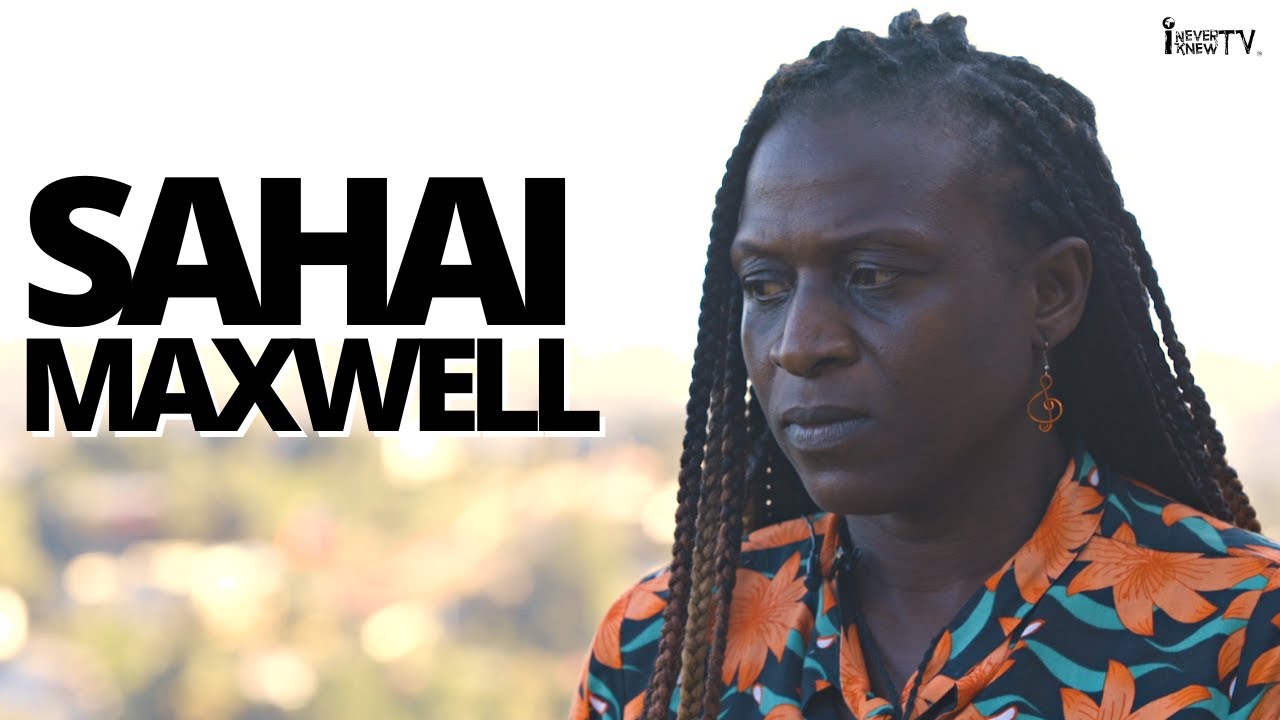

Watch more reasonings from Judge Sahai Whittingham Maxwell
Pt. 1 https://youtu.be/hGPNslektvo
Pt.2 https://youtu.be/ToQp91VuX6E
Pt.3 https://youtu.be/bGrFdULFr5w
Pt.5 https://youtu.be/_n4EYDrVKuM
Pt.6 https://youtu.be/T8YGFEB-qoU
In this clip Judge Sahai Whittingham Maxwell explains why Jamaica has one of the highest cases of paternity fraud in the world.
Whittinghan believes Jamaicans were exposed to relationships in the wrong way and the country suffers from a culture of promiscuity.
➡️ Get Your 'Nyahbinghi Shirt' Today:
https://koncioust.com/products/queen-...
Tune into 'I NEVER KNEW 📻'
🇲🇱Roots, Rock, Reggae Music🇲🇱
Hosted By : Jr of 'I Never Knew Tv'
https://www.WLOY.org
Sunday 9 -11 AM EST
Wednesday 8- 10 AM EST
Thursday 10- Noon AM EST
#skinbleaching #jamaica
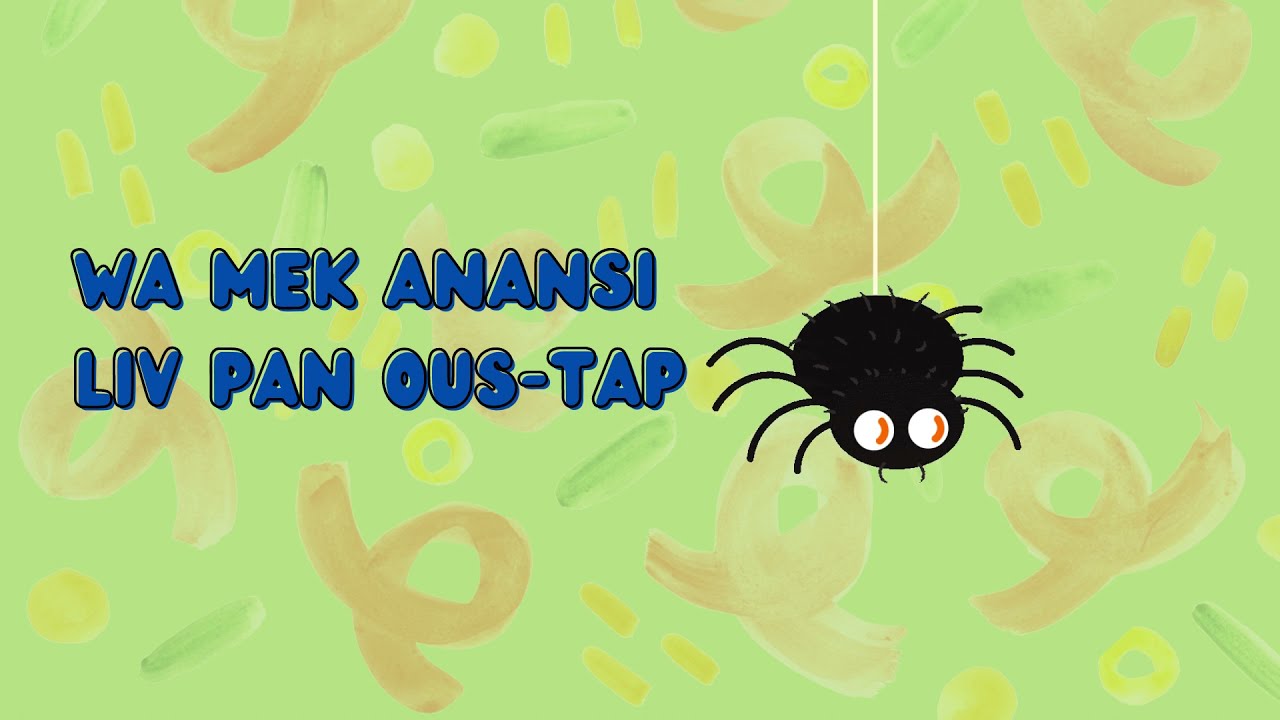

Si di tuori "Wa Mek Anansi Liv Pan Ous Tap" ya. Wa unu tingk?
Here's the classic tale, "Why Anansi Lives on Ceilings?" Enjoy!
For access to the PDF of this story and others, check out our Free Resources folder on Google Drive -
https://drive.google.com/drive..../folders/1B3nUMSiAZb
Follow us on social media for more:
Instagram - https://www.instagram.com/braadkyaasjamiekan
Twitter - https://twitter.com/braadkyaasjam
Facebook - https://www.facebook.com/BraadkyaasJamiekan
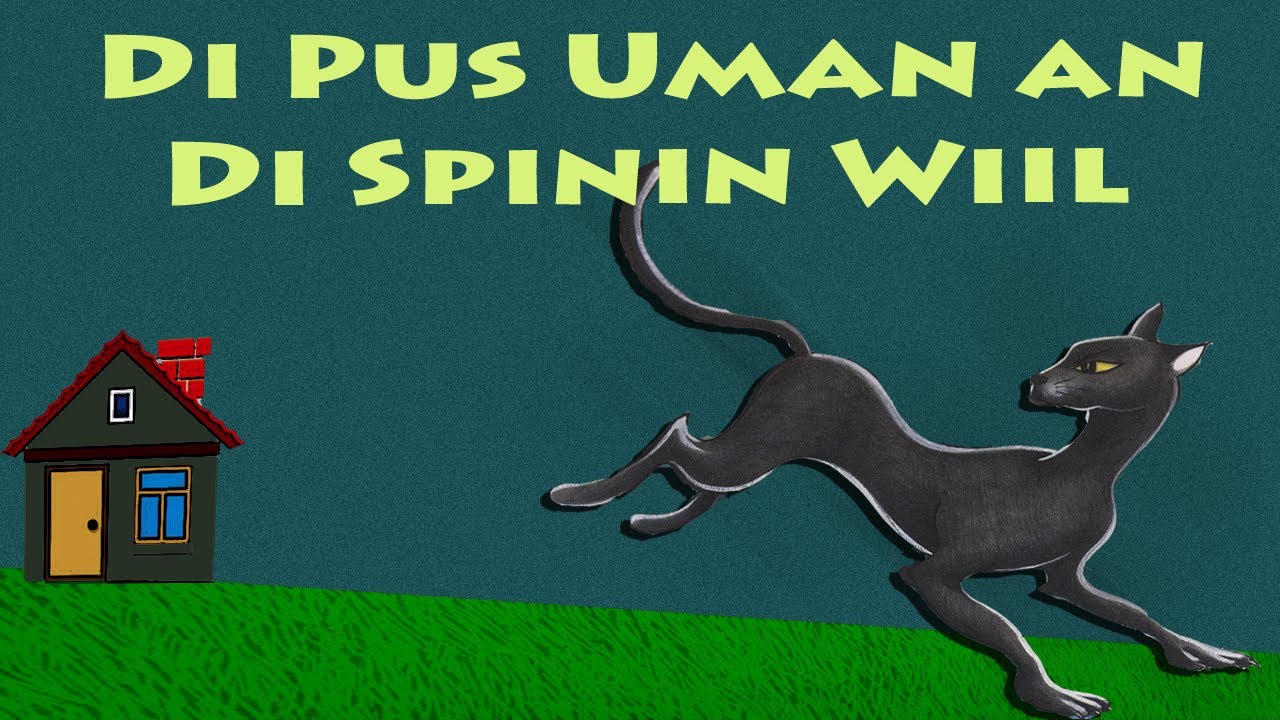
Si di tuori "Di Pus Uman an Di Spinin Wiil" ya. Wa unu tingk?
Here's the classic tale, "The Catwoman and The Spinning Wheel"
For access to the PDF of this story and others, check out Free Resources folder on Google Drive -
https://drive.google.com/drive..../folders/1B3nUMSiAZb
Follow us on social media for more:
Instagram - https://www.instagram.com/braadkyaasjamiekan
Twitter - https://twitter.com/braadkyaasjam
Facebook - https://www.facebook.com/BraadkyaasJamiekan