- General Videos
- Music
- Economics
- Health
- Travel & Events
- History
- Psychology
- Spirituality
- Movies
- News & Politics
- Kmtyw Combat Sciences
- Ɔbenfo Ọbádélé Kambon Videos
- Ɔbenfoɔ Kamau Kambon: Black Liberation Philosophy
- Science, Tech, Engineering and Math
- Permaculture
- Self-Sustainability
- Living Off Grid
- Yoruba Language Learning
- Education
- Mmɔfra Adesua
- Nana Kamau Kambon Playlist
- Livestream
- Komplementarity Kouples and Revolutionary Singles
- Abibitumi Film Series
- Decade of Our Repatriation
- Kwento xpr
- Live
Top videos
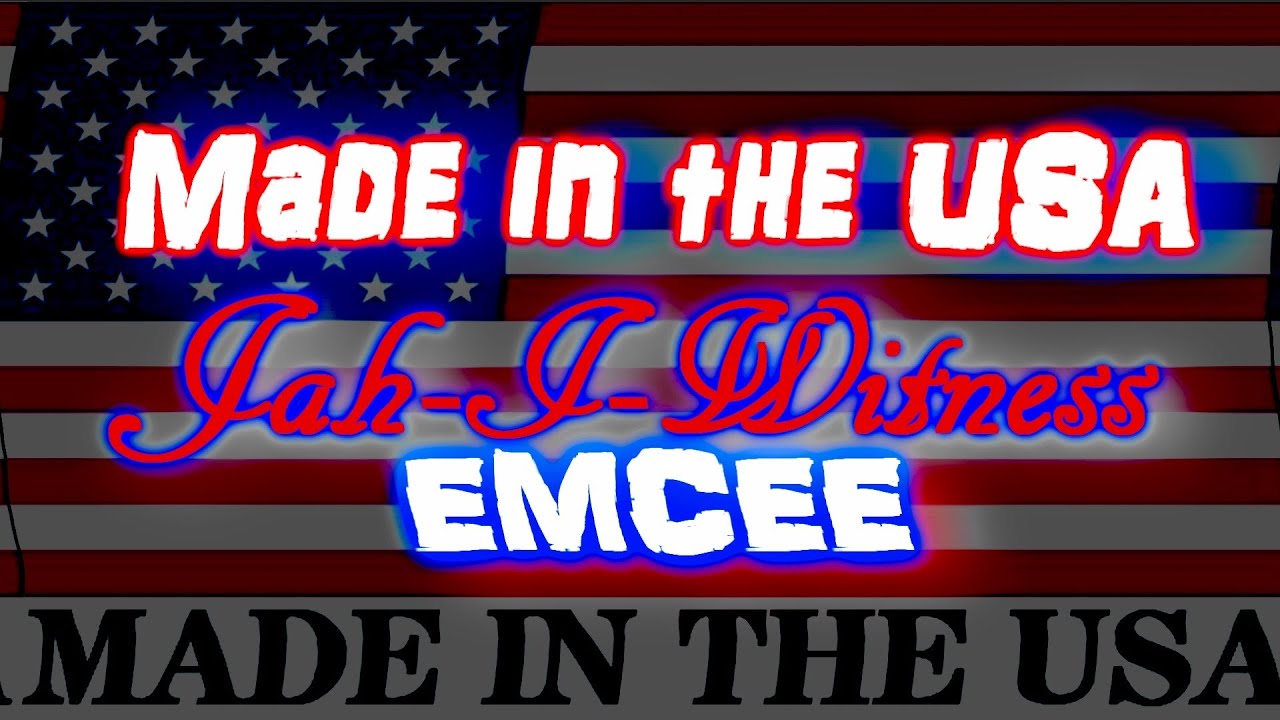

NEW HIP HOP - Peace and Blessings Beloved!!!
It's your comrade and word-warrior Jah-I-Witness Emcee reaching out once again to ask for your help in spreading a higher level consciousness in hip hop music and our community. This time I'm tackling a topic that has received much attention, dialogue, and controversy within the black community, as well as American culture (or the lack thereof depending on your perspective) for many years. That topic is NIGGAS, rather the use of the term nigger/nigga to refer to individuals who are descended from black, African ancestry.
Long considered a derogatory term used by the white ruling class to belittle members of the oppressed black populace, the term has been morphed into a term of endearment, which the once ridiculed now use freely and affectionately among each other. Some argue that this is a result of generations of brainwashing and conditioning. Others argue that the adoption and acceptance of the term, somehow decreases the power and negative stigma of the controversial "N-Word".
Recently with the increasing listenership of hip hop music, there has been an observed phenomenon of individuals who have begun to incorporate the "N-Word" into their everyday vernacular, and even go as far as to affectionately refer to each other as "Niggas", worldwide. Once a term exclusively used by the descendants of enslaved African kings, is now uttered from the mouths of white, Latino, Asian, and many other ethnicities worldwide.
Well before things get too out of hand... I wanted to make sure that everyone remembers without question, where it all began (or at least perfected). So after divine inspiration in the wee hours of the morning, I created this video for my song "MADE IN THE USA" to give visual support to this edgy S.L.G track.
The track itself was produced by my bredren St. Paul and is featured on my last project entitled "The Struggle, The Love, The Glory". The track also features verses from my long time Simply Laced collaborator, Kinetic. As stated previously, the video was directed and edited by myself, and was shot on location in my studio, The King's Chamber, with a flip cam and two cigarette lighters (believe it or not...lol!!!).
Take a second to check out and enjoy the video and please do not hesitate to join in the dialogue. Also share this video with those that you know would enjoy it, or those that you know need it.
As always give thanks and praises for supporting the artists that support the culture!!!
For anyone searching for a reason to love Hip Hop again, Simply Laced Music Group is the destination for that Hip Hop fix...
http://simplylaced.com/blog/
The track "Made In The USA" is featured on Jah-I's "The Struggle, The Love, The Glory" which is available for download at the following link:
http://jah-i-witness.bandcamp.....com/album/the-strugg


Find out more at: http://14.re-publica.de/sessio....n/fear-and-loathing-
Ths talk will contextualize recent surveillance revelations with the rise of the commercial market for offensive digital capability.
Morgan Marquis-Boire
https://citizenlab.org/
Creative Commons Attribution-ShareAlike 3.0 Germany
(CC BY-SA 3.0 DE)


SPEAK WOLOF / LEARNING WOLOF FOR BEGINNERS!----------------------------------------------------------------Learn to speak Wolof fluently and practice Wolof with easy vocabularies and basic conversations with English subtitles for beginners, intermediate and advanced level: Learning Wolof – Speaking Wolof.--------------------------------------------------------------------------------------------------------------------------------------------------------------------------------Learn Wolof Learn Wolof easilyLearn Wolof quicklyLearn Wolof for beginnersLearn Wolof Learn Wolof easilyLearn Wolof fasterLearn Wolof for beginners----------------------------------------------------------------------------------------#speakwolof #learnwolof #speakingwolof #learnwolof #easy #understandwolof #subtitles #films #wolof #wolof #learnwolof #understandwolof #speakwolof #speaking #wolof #wolof #easy--------------------------------------------------------------------------------------------------------------------------------------------------------------------------------Happy learning!Let me know if you want to learn something specific :)Speak Wolof : Useful lines for Beginners/ Easy✴️🇺🇲🇸🇳🇬🇧✴️
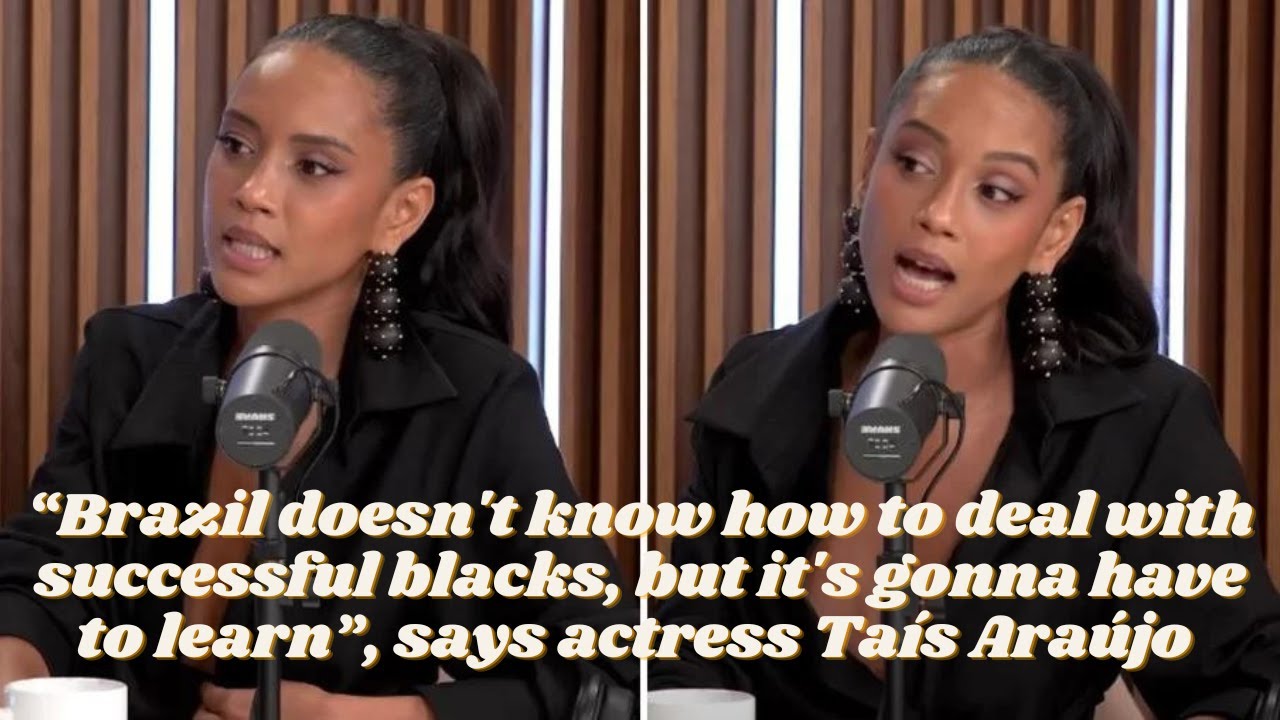
This eye-opening video delves into the powerful story of Taís Araújo, a renowned actress challenging Brazil's deep-seated racial biases. Please Visit our Website to get more information: https://blackbraziltoday.com/
As she boldly confronts the stereotypes and barriers faced by successful blacks in Brazilian society, Araújo ignites a crucial conversation about racial equality and representation. Her journey is not just about an actress against racism; it's a beacon of hope for Afro-Brazilians striving for empowerment.
This video explores how Brazil's racial dynamics are being reshaped, highlighting the need for social change and breaking racial stereotypes in the media. Join us in uncovering the inspiring story of Taís Araújo, a symbol of strength and change in Brazil's fight for racial justice.
This video concerns Actress Taís Araújo Confronts Brazil's Racial Bias: A Turning Point. But It also covers the following topics:
Taís Araújo Actress
Brazilian Society Change
Breaking Racial Barriers
Video Title: Actress Taís Araújo Confronts Brazil's Racial Bias: A Turning Point | Black Brazil Today
🔔Explore the true narrative of Brazil – Subscribe to Black Brazil Today for insightful discussions on race, culture, and media.🔍
https://www.youtube.com/@black....braziltoday3316/tuto
=============================
✅ Recommended Playlists
👉News and events
https://www.youtube.com/watch?v=PTKDKcWX_vQ&list=PLSk4jWKysUw3ak0abQ3fufWRLQHybwieI&pp=iAQB
👉Black identity in Brazil
https://www.youtube.com/watch?v=N03iDxsJeZg&list=PLSk4jWKysUw0JD8iF0dgUVCJXMBIMMsmG&pp=iAQB
✅ Other Videos You Might Be Interested In Watching:
👉 "I should have 'given it up more' before I got married," says actress Taís Araújo
https://www.youtube.com/watch?v=evaGHrFTlnU
👉"They're not on the brand's level": Clothing brand rep caught dismissing black models in audio leak
https://www.youtube.com/watch?v=yFytSK8xS_U
👉Wearing blackness?: White woman 'turns into' "black woman" for Carnaval
https://www.youtube.com/watch?v=PTKDKcWX_vQ
👉“Brazil never saw black people as beautiful”: The emerging concept of black beauty
https://www.youtube.com/watch?v=O0cSw7RetBw
👉“I never saw myself as a black man”: Reality show contestant discusses how he became black
https://www.youtube.com/watch?v=N03iDxsJeZg
👉Near the end of the slavery era, 60% of enslaved Africans brought to Brazil were children
https://www.youtube.com/watch?v=BEMT0es1P6I
=============================
✅ About Black Brazil Today.
Welcome to Black Brazil Today, a channel that explores black Brazilians' vibrant and diverse experiences✊. Get into our in-depth race, culture, and media discussions, highlighting Brazilian society's significant strides and challenges.
Join us as we dissect racial dynamics, celebrate black Brazilian culture, and amplify voices often unheard. From music and movies to social movements, we bring you the real stories shaping black Brazil's narrative. Subscribe to be part of a community committed to truth, representation, and change. 🎥🌍💬
🔔 Let's Explore the untold stories – Subscribe to Black Brazil Today for the latest on black Brazilians in news, music, and entertainment. 🎵📰
https://www.youtube.com/@black....braziltoday3316/tuto
=================================
#taísaraujo #racialissuesbrazil #blackempowerment #brazilianmedia #breakingstereotypes #socialchangebrazil
⚠️DISCLAIMER: We do not accept any liability for any loss or damage incurred from you acting or not acting as a result of watching any of our publications. You acknowledge that you use the information we provide at your own risk. Do your research.
Copyright Notice: This video and our YouTube channel contain dialogue, music, and images that are the property of Black Brazil Today. You are authorized to share the video link and channel and embed this video in your website or others as long as a link back to our YouTube channel is provided.
© Black Brazil Today