- General Videos
- Music
- Economics
- Health
- Travel & Events
- History
- Psychology
- Spirituality
- Movies
- News & Politics
- Kmtyw Combat Sciences
- Ɔbenfo Ọbádélé Kambon Videos
- Ɔbenfoɔ Kamau Kambon: Black Liberation Philosophy
- Science, Tech, Engineering and Math
- Permaculture
- Self-Sustainability
- Living Off Grid
- Yoruba Language Learning
- Education
- Mmɔfra Adesua
- Nana Kamau Kambon Playlist
- Livestream
- Komplementarity Kouples and Revolutionary Singles
- Abibitumi Film Series
- Decade of Our Repatriation
- Kwento xpr
- Live
Top videos
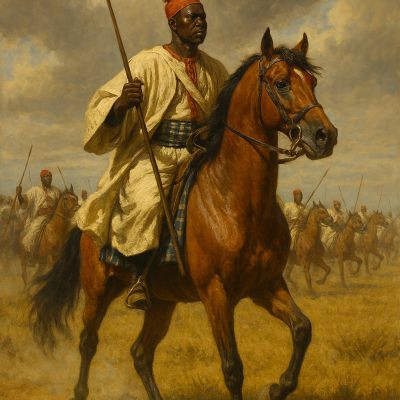


Legendary African Warriors Who Fought Colonial Empires👉
Subscribe here: https://www.youtube.com/@unkno....wnexplainedYT?sub_co Africa, legendary warriors and military leaders fought powerful colonial empires determined to conquer their lands. These are the most legendary African warriors who fought colonial empires explained.In this video, we explore the resistance of warriors, kings, queens, and commanders who led armies against European colonial expansion. From guerrilla campaigns and battlefield victories to desperate last stands, their stories reveal the courage, strategy, and sacrifice behind some of Africa’s greatest resistance movements.#africanhistory #historyexplained #militaryhistory #colonialhistory #africanwarriors #resistancehistory
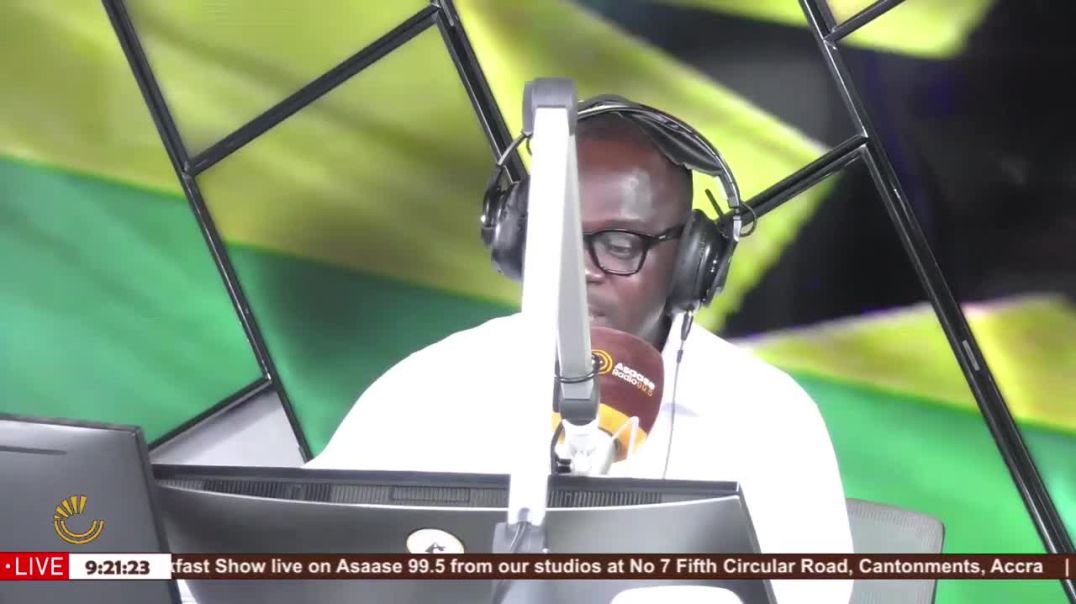

FULL INTERVIEW | Ɔbenfo Ọbádélé Kambon joins the Asaase Breakfast Show on Asaase 99.5 to discuss Open D.O.O.R. Dialogues, the Decade of Our Repatriation (2026–2036), self-reparations through repatriation, the global Black brain gain, and practical pathways for jobs, entrepreneurship and investment in Ghana.
The Open D.O.O.R. Dialogues Media Launch takes place Friday, 17 July 2026 at 10:00 AM in the Great Hall, University of Ghana. The main dialogue follows on 30 October 2026.
Learn more and RSVP:
https://www.door.events
https://www.decadeofourrepatriation.com/opendoor
Originally aired 14 July 2026 on Asaase 99.5.


Days Of The Week Song For Kids | Twi Song | Nana's African TV.
The Days of the Week Song is a great educational tune, which teaches kids the seven days of the week in a fun and exciting way.
This song/dance video is a fun way to introduce kids to the days of the week in Twi.
A classic Ghanaian nursery rhyme that everyone can sing along to.
Lyrics and translation below:
Obiara yɛawon Ɛdwoada, bɛsa, bɛsa x2
(All those born on Monday, come in and dance, bɛsa, bɛsa! )
La la la la la la la la, la la la!
Obiara yɛawon Ɛbenada, bɛsa, bɛsa x2
(All those born on Tuesday, come in and dance! bɛsa, bɛsa!)
La la la la la la la la, la la la la!
Obiara yɛawon Wukuada, bɛsa, bɛsa x2
(All those born on Wednesday, come in and dance, bɛsa, bɛsa!)
La la la la la la la la, la la la la !
Obiara yɛawon Yawoada, bɛsa, bɛsa x2
(All those born on Thursday, come in and dance, bɛsa, bɛsa!)
La la la la la la la la, la la la la!
Obiara yɛawon Ɛfiada, bɛsa, bɛsa x2
(All those born on Friday, come and dance, bɛsa, bɛsa!)
La la la la la la la la, la la la la la la la la, la la la la
Obiara yɛawon Memeneda, bɛsa, bɛsa x2
(All those born on Saturday, come and dance, come and dance)
La la la la la la la la, la la la la la la la la, la la la la
Obiara yɛawon Kwasiada, bɛsa, bɛsa x2
(All those born on Sunday, come in and dance, bɛsa, bɛsa!)
La la la la la la la la, la la la la la la la la, la la la la
_______________________________________________
Don't forget to like, share and subscribe to our channel so we can continue to make more content for you to enjoy! 😊
https://www.youtube.com/channe....l/UCPSFh19ZvK_yxWHLv
Please follow and contact us on our social media platforms:
FB: http://www.facebook.com/1019069525869..
.
https://www.tiktok.com/@nanasadventur.
#nana'safricantv
#daysoftheweeksong
#twiasante
#dance
#kidsdance
#viralvideo
#youtubechannel
#youtubeviral
#youtuber
#youtubers
#subscribe
#youtubevideos
#100ksubscriberschallenge
#youtubevideo
#viral
#kidslearningvideo
#bilingualvideos
#learnnewafricanlanguage
#twiforkids


"2AM in Venezuela" (OFFICIAL VIDEO): https://youtu.be/GtvkwgbVKF8
BLACK WINTER (Full Album): https://youtube.com/playlist?list=PLJSMFuicKjJ46p1K9TlqZPRGFSd0M5z9U&si=4WG_YXCGJinM6XEN
Join the Patreon for exclusive videos that you won't find on Youtube: https://www.patreon.com/NTD1814
S U P P O R T
Cash App - $NelsonAmadeus
PayPal- GlobalHitsWorld@gmail.com
EMAIL - KingNeferkare@gmail.com
Twitter @NTDessalines
Instagram @NelsonAmadeus
TURN ON POST NOTIFICATIONS.

Today, Dr.Wanjiru Kamau speaks openly about the brainwashing of African women by colonialism in the name of feminism , why we should go back to our roots, the truth about the white man’s agenda in Africa and the way forwardLearn, re-learn and Unlearn#lnn #lnsjoin the Lynn Ngugi Club to access special content and supporter perks 🥰https://www.youtube.com/channe....l/UCa2gldA2ivhzMwIJR

Who is in your family? 👨👩👧👦 Join Kunda Kids as we explore Family Members and Gender in Twi! This lesson helps children identify their relatives—from "Mother" and "Father" to "Brother" and "Sister"—using clear native pronunciation and fun animations.
THE CHALLENGE: Do you know the Twi word for "Brother"? Watch until the end to see if you can get the right answer!
In this lesson, we cover:
Immediate family members (Mother, Father, Siblings)
Gender-specific terms in Twi
Native Twi pronunciation for beginners
Engaging visuals to help kids memorize family names
📝 Family Vocabulary Preview:
Father — Agya / Papa
Mother — Ɛna / Maame
Brother — Nuabarima 👦🏾
Sister — Nuabaa 👧🏾
Subscribe to Kunda Kids Languages for more African language lessons, stories, and cultural fun for the whole family! 🌍✨
ABOUT KUNDA KIDS 🌟
Kunda Kids is an award-winning children's publishing, ed-tech and media company based in London, UK. Founded in 2020 by Oladele and Louisa Olafuyi, Kunda Kids aims to showcase African edutainment, with various elements of African culture in creative, fun, and simple formats for children.
Discover more at www.kundaandfriends.com
Social Media @kundaandfriends
.
.
.
.
RELATED VIDEOS:
Bath Song in Twi Akan | Edware3 Nyoum | Twi Baby Song | Akan Nursery Rhyme
https://youtu.be/4_g3RoS7sDE?si=NL45xq10Y__niiYE
Nnawɔtwe | Days of the Week in Twi for Kids | Twi Nursery Rhyme
https://youtu.be/xJHZAwN2UwE?si=HzkxE_J-umB3LZa_
Twi Lesson 1, Level 1
https://youtu.be/XQutk9Toy-I?si=8V436MH-EhJ3tHUo
Learn Numbers | Twi Numbers 1-10 | Counting - Twi for Kids | Nana's African TV
https://youtu.be/gvd1pqkqPYU?si=XN7kCkQAV9VRx9Pu
Twi for Kids: Twi Alphabet Lesson - Learn to Speak Twi
https://youtu.be/eVCAucCH7AA?si=f1gnZRrmctT59XZ6
#learnafricanlanguages, #africanlanguages, #speakafrican, #africanculture, #languagelearning, #learnyoruba, #learnswahili, #learnigbo, #learntwi, #learnzulu, #learnhausa, #learnamharic, #learnwolof, #learnshona, #africandiaspora, #africanheritage, #africanroots, #africaneducation, #africanstorytelling, #africanidentity, #multilingualafrica, #africanlearning, #africanlanguagelessons, #africanpride, #culturaleducation, #learnwithme, #africanwords, #africangreetings, #languagechallenge, #africanlanguagesmadeeasy

🌊 Dive into the mesmerizing world of marine life with our beloved cartoon guide, Maazị Nnabe! 🌊
Join Maazị Nnabe on an exciting underwater journey as he introduces your little ones to the fascinating creatures that call the ocean home. In this educational and fun-filled episode, kids will embark on an unforgettable voyage to discover the incredible diversity of animals that live beneath the waves.
🐠🦀🐬🐢 Get ready to meet some of the ocean's most amazing inhabitants, from playful periwinkles to graceful sea turtles, and even crawling crabs! Maazị Nnabe will share names in Igbo and English about each marine animal, making learning a blast for kids of all ages.
Our cartoon guide, Maazị Nnabe, is not only informative but also entertaining, ensuring that young minds stay engaged and excited throughout the video. With stunning animations and vibrant visuals, this educational adventure will captivate your child's imagination and inspire a love for the ocean and its remarkable inhabitants.
🎉 Make learning about marine life a joyous experience for your children with Maazị Nnabe's expert guidance! 🎉
Don't forget to like, subscribe, and hit the notification bell to stay updated on our latest educational videos. Share this enchanting undersea adventure with your friends and family, and let's explore the wonders of the ocean together!
🌊🐟🌴 Dive in, and let the aquatic exploration begin! 🌴🐟🌊
Follow the Mmụta Dị Ụtọ channel on WhatsApp for real time updates on our projects, Igbo lectures and giveaways! https://whatsapp.com/channel/0....029Va5XYuhFsn0nK6YZ5
Add Ikenga Nation TV on Your Roku app
https://my.roku.com/add/ZCZNHQ
Add Ikenga Nation TV on Amazon Fire TV
https://www.amazon.com/Nwudo-L....LC-Ikenga-Nation-TV/
Sign up for updates at https://ikenganation.com
Follow us on social media: https://twitter.com/ikenganation
https://facebook.com/ikenganation
Join the community at https://facebook.com/groups/ikenganation
Listen to the podcast https://akukoifo.com
To contribute to production of this show and other such content, please direct your donations to
Cashapp $ikenganation
Paypal https://paypal.me/ikenganation
Venmo @ikenganation
#maaziagu #igbo #animals