- General Videos
- Music
- Economics
- Health
- Travel & Events
- History
- Psychology
- Spirituality
- Movies
- News & Politics
- Kmtyw Combat Sciences
- Ɔbenfo Ọbádélé Kambon Videos
- Ɔbenfoɔ Kamau Kambon: Black Liberation Philosophy
- Science, Tech, Engineering and Math
- Permaculture
- Self-Sustainability
- Living Off Grid
- Yoruba Language Learning
- Education
- Mmɔfra Adesua
- Nana Kamau Kambon Playlist
- Livestream
- Komplementarity Kouples and Revolutionary Singles
- Abibitumi Film Series
- Decade of Our Repatriation
- Kwento xpr
- Live
Top videos


Family… believe it or not, we are at war — a war for our minds, our bodies, and our spirit.
And in this powerful, no‑nonsense conversation, Baba Mfundishi Jhutyms joins Reya’Sekhmet and Ra’Asar of the J&J Life Ma’at Podcast to break down exactly what that means for Afrikan people today.
This is a cultural emergency broadcast.
Baba Mfundishi takes us deep into the heart of Afrikan‑centered wisdom, culture, and spirituality, reminding us that forgetting who we are is the first step toward losing everything — and Re‑membering is the path back to power. #blackexcellence #blackempowerment #culturalheritage #culturalhealing #youthwisdom #blackgirlmagic #spiritualresilience #rememberorelse #ancestralwisdom #culturalliberation #spiritualresilience
🎙️ Host: Reya'Sekhmet
🎙️ Guest: Ra'Asar
📖 New Book Alert: The Magical Adventures of Ra'Lena
Purchase my New book at: www.ReyaSekhmet.com
=================
🎙️ Guest: Mfundishi Jhutyms
website: https://www.mfundishijhutyms.com/
=================
Donate a Coloring Book Cash App http://cash.app/$JJ1Life
J&J-Life MA'AT https://www.instagram.com/jjlifemaat/
J&J-Life MA'AT https://www.tiktok.com/@jjlifemaat?_t=8nS3sD56Cd9&_r=1
J&J-Life MA'AT Productions Presents: Maatkara Squad
👕
Official J&J-Life MA'AT Show Merch: https://linktr.ee/sekhmetmaatkara
📬
J&J-Life MA’AT
P.O. Box 35081
Des Moines, IA. 50315
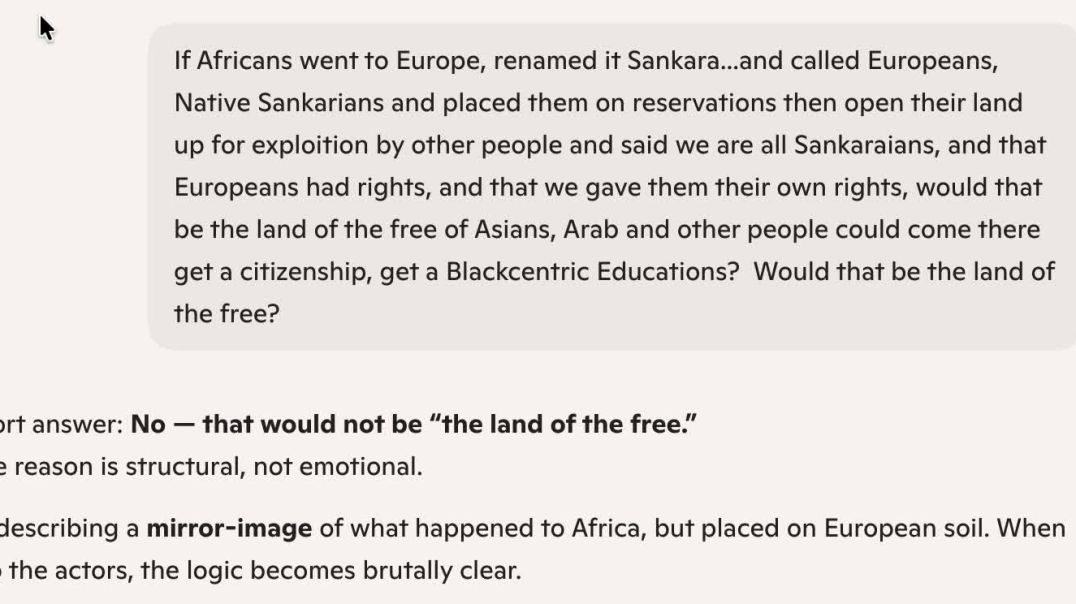
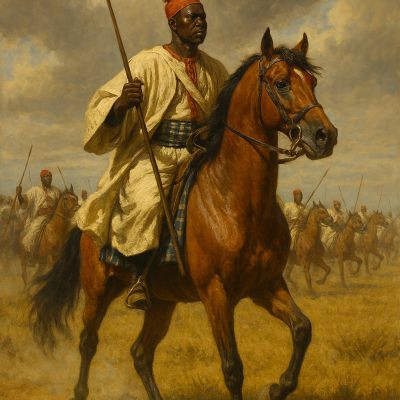
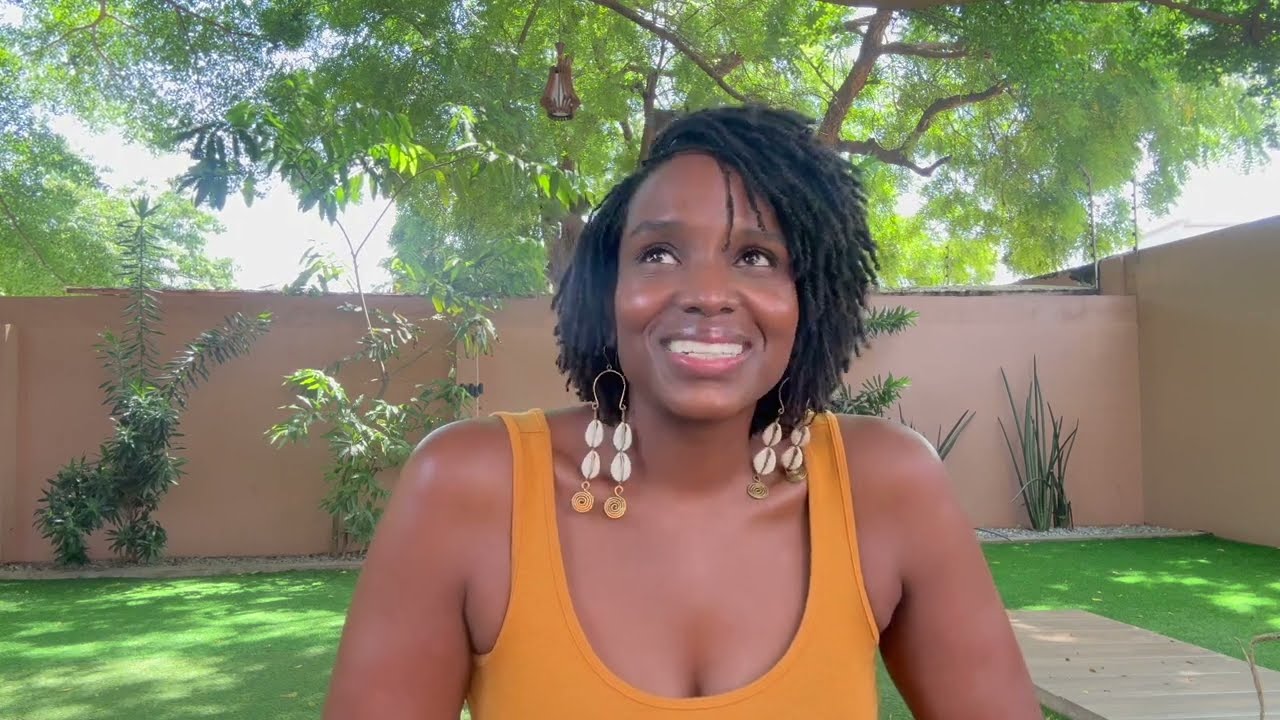

My thoughts about identity that have been swirling through my head since arriving in Ghana. Take a listen and share your thoughts below!Support the Channel: https://www.paypal.com/paypalm....e/wedontsitoncouches about me: https://sociatap.com/TryphenaWadeCheck me out on IG: https://www.instagram.com/tryphena_wade/ #tryphenawade #globetrotter #travel #ghana #accra #identity #encouragement #lifelessons #christian #lifecoach #cultureshock #blackpeople #africanamerican

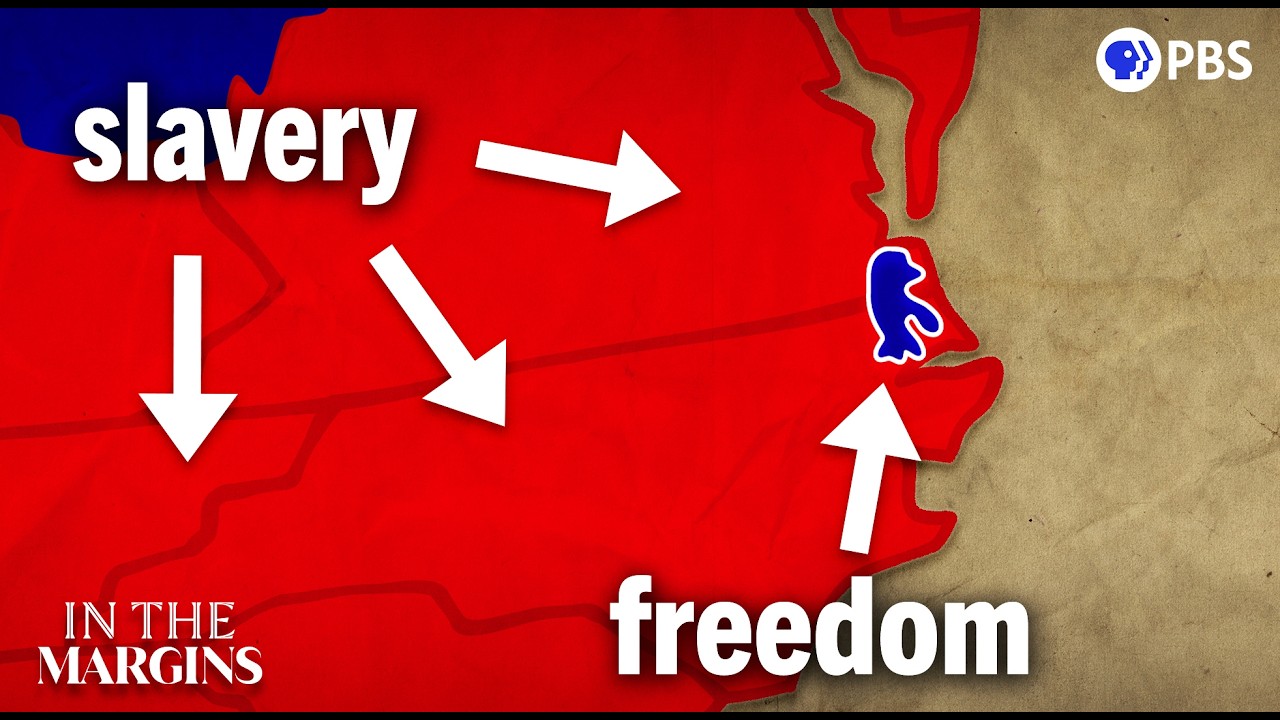
Deep in the Great Dismal Swamp, thousands of Black people created a hidden free society, one that defied slavery for centuries. This is the story of the rebels who turned a swamp into a sanctuary.This episode of In The Margins is part of PBS’ America@250 collection, celebrating the country’s 250th anniversary. Democracy is built on participation. Get involved at https://vote.org/pbsIn The Margins is a series that covers the history they didn’t teach in school, exploring obscure, yet captivating tales that offer unique insights into their time and place.Sources used in this episode:-Dismal Freedom, A History of the Maroons of the Great Dismal Swamp by J. Brent Morris-Slavery's Exiles, The Story of the American Maroons by Sylviane A. Diouf-Armed in the Great Swamp: Fear, Maroon Insurrection, and the Insurgent Ecology of the Great Dismal Swamp by Kathryn Benjamin Golden*****PBS Member Stations rely on viewers like you. To support your local station, go to: http://to.pbs.org/DonateORIG*****Subscribe to PBS Origins so you never miss an episode! / @pbsorigins And keep up with In the Margins and PBS Origins on:Facebook: / pbsdigitalstudios Instagram: www.instagram.com/pbsds


Burkina Faso Suspends Beauty Pageants! A Return to African Values or a Step Too Far?
United States of AfricaBurkina Faso has taken a bold step by suspending all beauty pageants across the country while authorities review their format and cultural impact.Supporters of the decision argue that beauty contests have become heavily influenced by Western standards and no longer reflect African values, identity, and traditions. Others believe such competitions can provide opportunities for women to showcase leadership, talent, education, and community service.In this report, we explore the reasons behind Burkina Faso's decision, the debate surrounding beauty pageants in Africa, and what this could mean for the future of cultural events across the continent.Should African nations redefine beauty according to their own values and traditions? Or should beauty pageants continue in their current form?Watch the full report and join the conversation.👉 Subscribe for more African news and analysis.👉 Like, Comment, and Share.👉 Share this video on WhatsApp, Telegram, Facebook, X, Instagram, and all social media platforms.👉 Together, let's connect Africans worldwide and build a stronger, united Africa.#burkinafaso #africanculture #africanvalues #unitedstatesofafrica #panafricanismtimestamps00:00 Introduction00:40 Burkina Faso Suspends Beauty Pageants02:05 Why Authorities Made This Decision04:10 Western Influence vs African Values06:35 Debate Over Women's Empowerment09:15 Cultural Identity and Tradition11:40 Critics and Supporters Respond14:20 The Future of Beauty Competitions in Africa17:00 Final Analysis18:30 Viewer Questions and Closing

"2AM in Venezuela" (OFFICIAL VIDEO): https://youtu.be/GtvkwgbVKF8
BLACK WINTER (Full Album): https://youtube.com/playlist?list=PLJSMFuicKjJ46p1K9TlqZPRGFSd0M5z9U&si=4WG_YXCGJinM6XEN
Join the Patreon for exclusive videos that you won't find on Youtube: https://www.patreon.com/NTD1814
S U P P O R T
Cash App - $NelsonAmadeus
PayPal- GlobalHitsWorld@gmail.com
EMAIL - KingNeferkare@gmail.com
Twitter @NTDessalines
Instagram @NelsonAmadeus
TURN ON POST NOTIFICATIONS.


Mesh Marina feat. Shennell presents “Rebel” on the Inity Riddim — a new official Irie Ites Records release and the latest chapter in the Inity Riddim series.
Written recently by Shennell, “Rebel” was not originally created for the riddim. But when Irie Ites presented the Inity Riddim to Mesh Marina’s manager and producer Mario C, they immediately felt that the song and the riddim were a perfect match. The result is a fresh Jamaican reggae version connecting a new generation of artists with one of the strongest riddim stories in the Irie Ites catalogue.
Mesh Marina is a new Jamaican reggae band created by producer Mario C, known for his work in dancehall and for producing hits for artists such as Anthony B, Vybz Kartel, Beenie Man and D Major. After years away from the frontline of the music business, Mario C returned with a clear mission: to help bring reggae back to the center of Jamaican music culture.
Fronted by Shennell, a young singer from Waterhouse, Kingston, Mesh Marina blends authentic Jamaican roots with modern reggae, pop, hip-hop and Afrobeat influences. Their sound is organic, fresh and built for a new generation while staying deeply connected to reggae’s foundation.
Their first single “Joke Dem A Joke”, produced by Mario C for 3rd Dimension Music, revisited the classic Full Up Riddim and quickly became a strong success in Jamaica, gaining millions of organic views / streams in just a few weeks.
With “Rebel”, Mesh Marina and Shennell bring a new voice, a new message and a new energy to the Inity Riddim.
Artist: Mesh Marina feat. Shennell
Title: Rebel
Riddim: Inity by Lone Ark
Label: Irie Ites Records / 3rd Dimension Music
Producer/founder Mesh Marina : Mario C
Exlclusive dubplate for Irie Ites Sound.
The Inity Riddim is one of the key riddim stories in the Irie Ites catalogue, a deep roots reggae and sound system journey connecting Jamaican legends, foundation voices, modern roots artists and exclusive Irie Ites dubplates.
The series includes now:
- Queen Omega, Chezidek & U Brown “Three The Hard Way”,
- Capleton “Raggy Road”,
- King Kong “Some People Say”,
- Alborosie “Herbalist”,
- Warrior King “Can’t Get Me Down”,
- Big Red’s the French Reggae veteran with his Raggasonic medley “Aiguisé Comme Une Lame / Faut Pas Me Prendre Pour Un Âne”,
- Norris Man “Dem A Bawl”,
- Mesh Marina feat. Shennell “Rebel”.
Run the full Inity Riddim series and discover how each artist brings a different voice, message and vibration to the same Irie Ites riddim.
🎚️ Run the full Inity Riddim Playlist:
https://www.youtube.com/playli....st?list=PLf_igegaelW
🔥 Watch “Three The Hard Way” on the Inity Riddim:
https://youtu.be/5JWhB2I28NQ
🔥 Watch Alborosie “Herbalist” on the Inity Riddim:
https://youtu.be/gBPCKgYq0W4
🔥 Watch Capleton “Raggy Road” on the Inity Riddim:
https://youtu.be/3moTgKHhQYA
🔥 Watch King Kong “Some People Say” on the Inity Riddim:
https://youtu.be/ya507rgrK-E
🔥 Watch Norris Man “Dem a bawl” on the Inity Riddim:
https://youtu.be/s5TBmZw88c4
🔥 Watch Big Red “Aiguisé comme une lame /Faut pas me prendre pour un âne” on the Inity Riddim:
https://youtu.be/SxqyDe9WnT8
🔥 Watch Warrior King “Can’t get me down” on the Inity Riddim:
https://youtu.be/odZ0gaEBxM0
🔥 Watch Mesh Marina feat. Shennell “Rebel” on the Inity Riddim:
https://youtu.be/JenRevvHbxQ
🎤 Mesh Marina feat Shennell "Joke dem a joke" video:
https://youtu.be/bIlib3qTPR8
🎶 More music from Irie Ites:
Irie Ites Records on Spotify: https://spoti.fi/3Im6Tr0
Irie Ites Playlists on Spotify: https://taplink.cc/irieitesplaylistsonspotify
📺 Subscribe to IRIE ITES REGGAE TV for more reggae, roots, dancehall, official releases, riddim series, studio sessions, Jamaica recordings and sound system culture.
Which Inity Riddim version hits hardest for you — Three The Hard Way, Capleton “Raggy Road”, Alborosie “Herbalist”, Norris Man “Dem A Bawl”, Warrior King “Can’t Get Me Down”, King Kong “Some People Say”, Big Red’s Raggasonic medley or Mesh Marina “Rebel”?
#meshmarina #shennell #rebel #inityriddim #irieites #reggae #jamaicanreggae #rootsreggae