- General Videos
- Music
- Economics
- Health
- Travel & Events
- History
- Psychology
- Spirituality
- Movies
- News & Politics
- Kmtyw Combat Sciences
- Ɔbenfo Ọbádélé Kambon Videos
- Ɔbenfoɔ Kamau Kambon: Black Liberation Philosophy
- Science, Tech, Engineering and Math
- Permaculture
- Self-Sustainability
- Living Off Grid
- Yoruba Language Learning
- Education
- Mmɔfra Adesua
- Nana Kamau Kambon Playlist
- Livestream
- Komplementarity Kouples and Revolutionary Singles
- Abibitumi Film Series
- Decade of Our Repatriation
- Kwento xpr
- Live
Top videos


"2AM in Venezuela" (OFFICIAL VIDEO): https://youtu.be/GtvkwgbVKF8
BLACK WINTER (Full Album): https://youtube.com/playlist?list=PLJSMFuicKjJ46p1K9TlqZPRGFSd0M5z9U&si=4WG_YXCGJinM6XEN
Join the Patreon for exclusive videos that you won't find on Youtube: https://www.patreon.com/NTD1814
S U P P O R T
Cash App - $NelsonAmadeus
PayPal- GlobalHitsWorld@gmail.com
EMAIL - KingNeferkare@gmail.com
Twitter @NTDessalines
Instagram @NelsonAmadeus
TURN ON POST NOTIFICATIONS.

Next Video to watch: https://www.youtube.com/playli....st?list=PL5T9ONPxJ7e
Connect with me:
Instagram: https://www.instagram.com/clifford.ehiokose/?igsh=MXFkcmtxeXM4ZmZrMA%3D%3D&utm_source=qr#
tiktok: https://www.tiktok.com/@clifford.ehiokose?_t=ZM-8sxKyCqv7Wn&_r=1
Medium: https://medium.com/@ehiokoebor
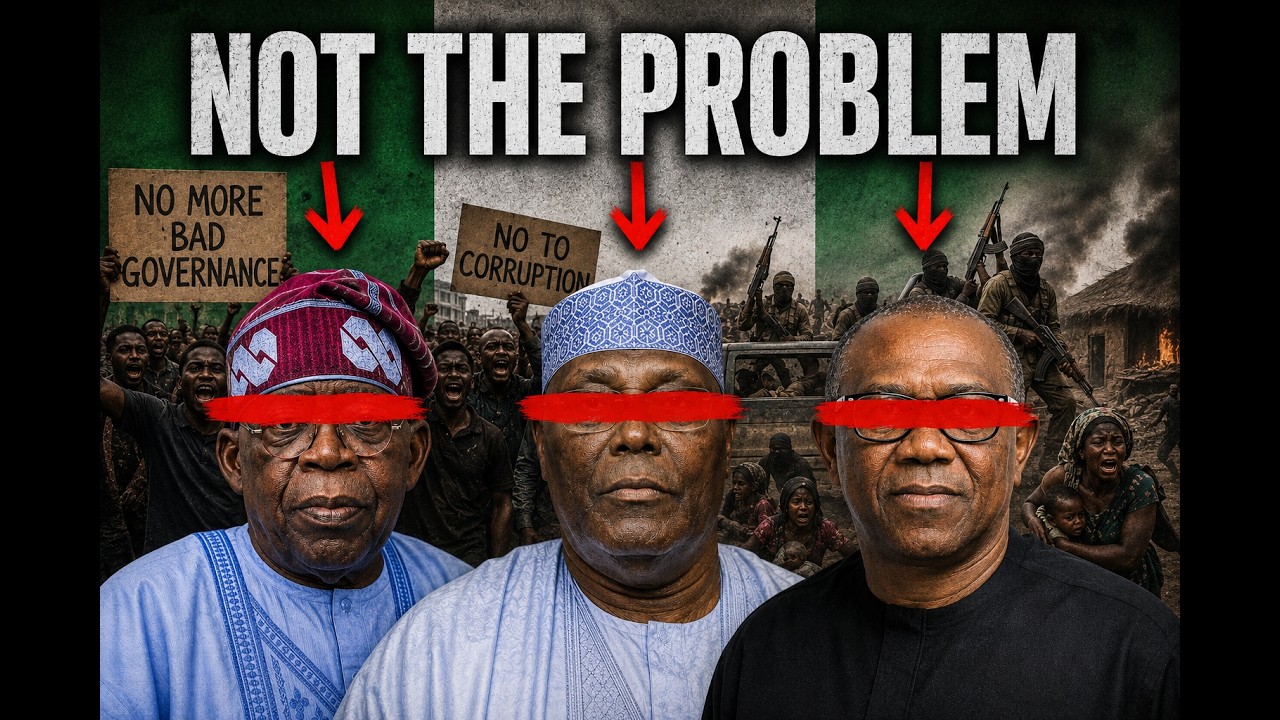
Is fixing Nigerian leadership the only path to national progress? This analysis questions common assumptions about Nigeria politics.
Many Nigerians believe that simply changing leaders will solve the country's deep-rooted issues. This video examines whether that perspective is too superficial by looking at the reality behind current socio-political issues. We analyze scenes from a polling station and a News Central segment to break down why the focus on leadership might be missing the bigger picture.
By evaluating the complexities of fixing Nigeria, viewers will gain a clearer understanding of the systemic challenges facing the nation beyond the ballot box. We move past the surface-level arguments often heard in discussions about Nigerian elections and explore the underlying factors that actually drive the country's current state.
Subscribe for weekly analysis on Nigerian socio-political issues, and comment below on whether you think leadership is the primary problem.
#nigerianleadership #culture #nigeria


"2AM in Venezuela" (OFFICIAL VIDEO): https://youtu.be/GtvkwgbVKF8
BLACK WINTER (Full Album): https://youtube.com/playlist?list=PLJSMFuicKjJ46p1K9TlqZPRGFSd0M5z9U&si=4WG_YXCGJinM6XEN
Join the Patreon for exclusive videos that you won't find on Youtube: https://www.patreon.com/NTD1814
S U P P O R T
Cash App - $NelsonAmadeus
PayPal- GlobalHitsWorld@gmail.com
EMAIL - KingNeferkare@gmail.com
Twitter @NTDessalines
Instagram @NelsonAmadeus
TURN ON POST NOTIFICATIONS.



"2AM in Venezuela" (OFFICIAL VIDEO): https://youtu.be/GtvkwgbVKF8
BLACK WINTER (Full Album): https://youtube.com/playlist?list=PLJSMFuicKjJ46p1K9TlqZPRGFSd0M5z9U&si=4WG_YXCGJinM6XEN
Join the Patreon for exclusive videos that you won't find on Youtube: https://www.patreon.com/NTD1814
S U P P O R T
Cash App - $NelsonAmadeus
PayPal- GlobalHitsWorld@gmail.com
EMAIL - KingNeferkare@gmail.com
Twitter @NTDessalines
Instagram @NelsonAmadeus
TURN ON POST NOTIFICATIONS.
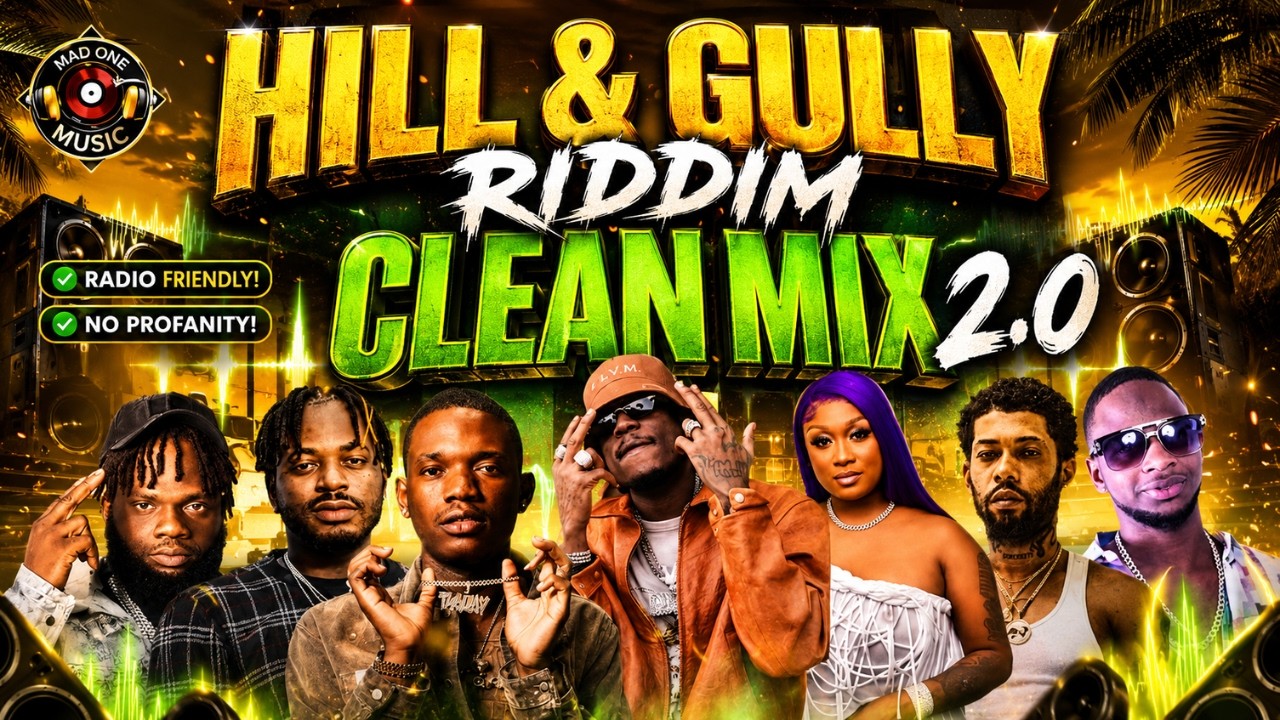

🔥 THE HILL & GULLY RIDDIM CLEAN MIX 2.0 IS HERE — RADIO READY AND STILL FULL OF THAT ENERGY! 🔥
🎵 Konshens. Gentleman. Turbulence. Masicka. Valiant. Chronic Law. Govana. Kes. Elephant Man. Ayetian. Kranium & MORE. — A FULLY LOADED clean version of the Hill & Gully Riddim (produced by Di Genius), ready to play anywhere without missing any of the energy! 🔥💥
This one is for the dance and the massive — all the vibes, none of the profanity! 🙌🔥
👇 DROP A COMMENT — which track on this riddim is your favorite? 🔥💯
Hit LIKE if you needed this clean version in your life! 👍🔥
━━━━━━━━━━━━━━━━━━━━━━━━
🔔 NEW MIXES DROP EVERY WEEK!
👉 SUBSCRIBE NOW → https://www.youtube.com/@MadOne_Music
Turn notifications ON so you NEVER miss a drop! 🔔
━━━━━━━━━━━━━━━━━━━━━━━━
🎵 TRACKLIST:
🔥 HILL & GULLY RIDDIM (CLEAN)
00:00 – Yard Man | Konshens
01:08 – Nah Worry | Gentleman
02:18 – Auntie Lulu | Turbulence
03:20 – Gi Gyal Money | Shaneil Muir
04:11 – Wah Mi Money | Nigy Boy
05:03 – Slip & Slide | Masicka
05:55 – Woii | Valiant
07:14 – Kill & Guh Live | Chronic Law
08:21 – Service | Skippa
09:13 – Itsy Bitsy | Govana
10:06 – Masterpiece | Kes
10:58 – Hold Him Gyal | Elephant Man
11:50 – Donkey Call | Ayetian
12:46 – Girl Trip | Kranium
👇 Which track on this riddim is your favorite? Drop it in the comments! 🔥💯
🌍 SHARE THIS with every dancehall lover you know! 📲💯
━━━━━━━━━━━━━━━━━━━━━━━━
🎚️ Riddim Produced by: Di Genius
🎚️ Mix: M.A.D. ONE
━━━━━━━━━━━━━━━━━━━━━━━━
📲 CONNECT WITH M.A.D. ONE:
🎵 Bandcamp → https://madonemusic.bandcamp.com
📱 TikTok → @mad.one.music
📸 Instagram → @mad_one_records
📧 Promos & Bookings → bellevuerecord@gmail.com
© All rights reserved by their respective owners. Shared for promotional purposes only.
#hillandgullyriddim #cleanmix #digenius #dancehallmix2026 #konshens #masicka #valiant #chroniclaw #govana #kes #madonemusic #newdancehall2026
👉🏿 JOIN THE MOVEMENT → Uncensored, Ad-Free & Exclusive Content
https://ineverknewtv.com/premium/
📍OUR SPONSOR: Maroon Productions
We help brands grow through strategic video, design, and content that actually attracts attention, builds trust, and converts.
https://www.maroonproduction.com/
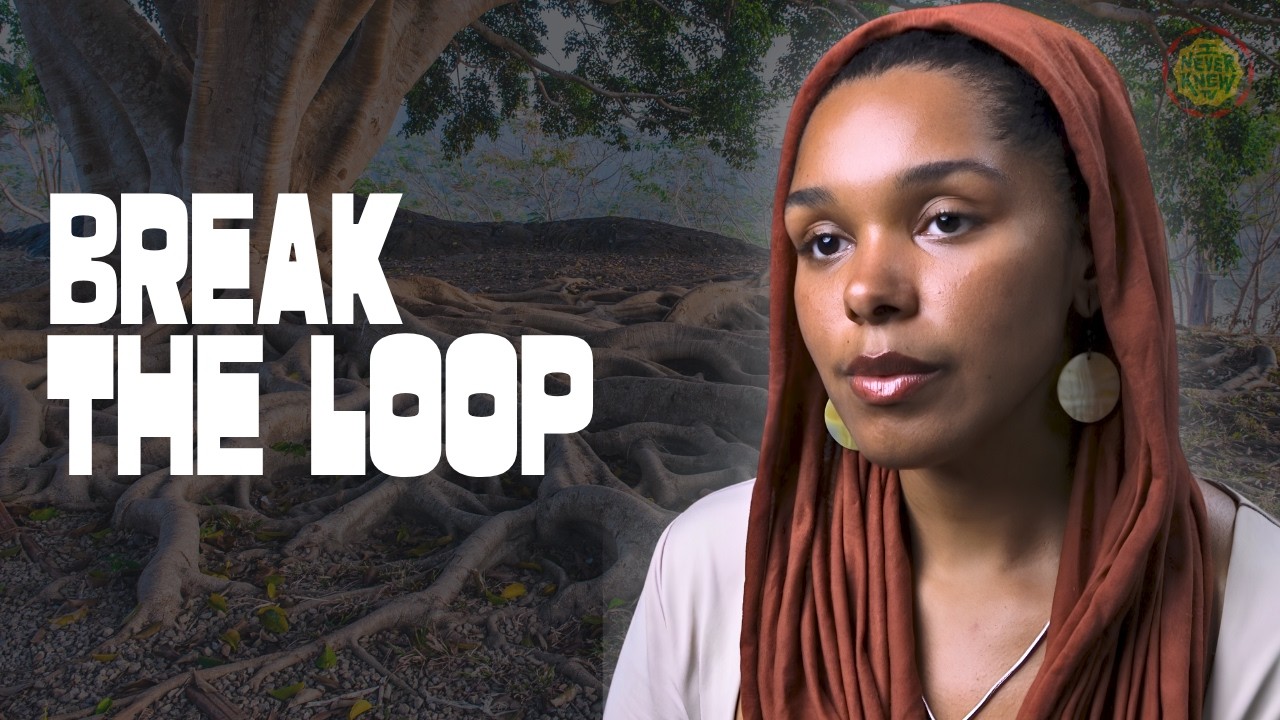
Sunumi Brown is a visionary leader in psychedelic education. Her groundbreaking work has been featured in TEDX, Oakland Hyphae, Forbes for her course with Doubleblindmag on Psychedelics and Maternity, and in The Guardian’s article “The Black Mothers Finding Freedom In Mushrooms.”
What if the greatest obstacle to healing isn't the pain itself—but the way we've been taught to think about healing?
In this thought-provoking conversation, we explore why healing was never meant to depend on a single solution. From stillness and breathwork to music, community, and other holistic practices, our guest explains why true healing happens when we move beyond a "one-size-fits-all" mindset and embrace a more interconnected approach.
Whether you're interested in mental health, spirituality, personal growth, or community wellness, this discussion challenges conventional ideas and offers a fresh perspective on what it really means to heal.
What You'll Learn:
Why searching for one "magic cure" can limit healing
The importance of community in the healing process
How repetitive thought patterns can keep us feeling stuck
Why holistic healing requires multiple tools working together
A new perspective on healing, growth, and transformation
Learn more about Sunumi Brown and her work at:
www.FlorasVillage.com
🎧 Catch 'I NEVER KNEW RADIO
for Roots, Rock, Reggae Music!
Hosted by Jr a.k.a 'The Bald Head' of 'I Never Knew TV'
📅 Sundays: 9 - 11 AM EST
📅 Wednesdays: 8 - 10 AM EST
📅 Thursdays: 10 AM - Noon EST
Listen live: https://wloy.org/listen/
#ineverknewtv

-----
Distributed by Zincbeats - https://www.zincbeats.com
SUBSCRIBE NOW: http://znc.bz/zbyoutube
Instagram: https://www.instagram.com/zincbeats
Twitter: https://www.twitter.com/zincbeats
SoundCloud: https://www.soundcloud.com/zincbeats
Facebook: https://www.facebook.com/zincbeats