- General Videos
- Music
- Economics
- Health
- Travel & Events
- History
- Psychology
- Spirituality
- Movies
- News & Politics
- Kmtyw Combat Sciences
- Ɔbenfo Ọbádélé Kambon Videos
- Ɔbenfoɔ Kamau Kambon: Black Liberation Philosophy
- Science, Tech, Engineering and Math
- Permaculture
- Self-Sustainability
- Living Off Grid
- Yoruba Language Learning
- Education
- Mmɔfra Adesua
- Nana Kamau Kambon Playlist
- Livestream
- Komplementarity Kouples and Revolutionary Singles
- Abibitumi Film Series
- Decade of Our Repatriation
- Kwento xpr
- Live
Top videos

![Joe Mafela - Shebeleza (OKongo Mame) [Official Music Video]](https://d2pqtpahsfkkkc.cloudfront.net/upload/photos/2024/11/02c9c3f78b83ad89eb4587dacc9147915881c897u4mdfnkm8pJ8qJWrorge.video_thumb_7212_25.jpeg)

This is the official music video for 'Shebeleza (OKongo Mame)' by actor, musician, comedian, producer, director, businessman and writer Ntate Joe Mafela. The song is from the album titled 'Shebeleza Felas' , which was released in 1995.
______
Listen to Joe Mafela:
Amazon Music – https://music.amazon.com/artists/B001...
Apple Music – / joe-mafela
Deezer – https://www.deezer.com/en/artist/195630
iTunes – https://music.amazon.com/artists/B001...
SoundCloud – / joemafela
Spotify – https://open.spotify.com/artist/4gYDz...
Tidal – https://tidal.com/browse/artist/3694818
YouTube Music – • Shebeleza (Okongo Mame)
Follow Gallo Music:
Twitter: / gallomusicsa
Instagram: / gallomusicsa
Facebook: / gallomusicsa
#joemafela #sdumo #shebeleza #southafricanmusic #shebeleza(OkongeMame) #okongemame #shebeleza(OkongeMame)MusicVideo #africanmusic #shebelezafelasalbum #joemafelasongs
_______
lyrics:
Congo mame (zaire)
Congo (Zaire)
Congo mama (Zaire, Congo)
Hai Congo mame (zaire)
Congo (Zaire)
Congo mama (Zaire, Congo)
Hai shebeleza njalo mama (Shebeleza)
Ekuseni mama ( Shebeleza)
Nantambama (Shebeleza Congo)
Hai shebeleza njalo mama (Shebeleza)
Ekuseni mama ( Shebeleza)
Nantambama (Shebeleza Congo)
Hai Congo mame (zaire)
Congo (Zaire)
Congo mama (Zaire, Congo)
Hai Congo mame (zaire)
Congo (Zaire)
Congo mama (Zaire, Congo)
Hai bathi shebeleza njalo mama (Shebeleza)
Ekuseni mama( Shebeleza)
Oh nantambama (Shebeleza Congo)
Hai shebeleza njalo mama (Shebeleza)
Ekuseni mama (Shebeleza)
Oh nantambama (Shebeleza Congo)
Congo mame (Zaire)
Congo (Zaire)
Congo mama (Zaire, Congo)
Hai Congo mame (zaire)
Congo (Zaire)
Congo mama (Zaire, Congo)
Hai shebeleza njalo mama (Shebeleza)
Ekuseni mama (Shebeleza)
Nantambama (Shebeleza, Congo)
Hai shebeleza njalo mama (Shebeleza)
Ekuseni mama (Shebeleza)
Nantambama (Shebeleza Congo)
Hai Congo mame (zaire)
Congo (Zaire)
Congo mama (Zaire, Congo)
Hai Congo mame (zaire)
Congo (Zaire)
Congo mama (Zaire, Congo)
Hai bathi shebeleza njalo mama (Shebeleza)
Ekuseni mama (Shebeleza)
Oh nantambama (Shebeleza Congo)
Hai bathi shebeleza njalo mama (Shebeleza)
Ekuseni mama (Shebeleza)
Oh nantambama (Shebeleza Congo)
Shebeleza, Shebeleza, Shebeleza Congo
Shebeleza, Shebeleza, Shebeleza Congo
Hai bathi shebeleza njalo mama (Shebeleza)
Ekuseni mama (Shebeleza)
Oh nantambama (Shebeleza Congo)
Hai bathi shebeleza njalo mama (Shebeleza)
Ekuseni mama (Shebeleza)
Oh nantambama (Shebeleza Congo)
Hai Congo mame (zaire)
Congo (Zaire)
Congo mama (Zaire, Congo)
Hai Congo mame (zaire)
Congo (Zaire)
Congo mama (Zaire, Congo)
Hai bathi shebeleza njalo mama (Shebeleza)
Ekuseni mama (Shebeleza)
Oh nantambama (Shebeleza Congo)
Hai bathi shebeleza njalo mama (Shebeleza)
Ekuseni mama (Shebeleza)
Oh nantambama (Shebeleza Congo)
Hai Congo mame (zaire)
Congo (Zaire)
Congo mama (Zaire, Congo)
Hai Congo mame (zaire)
Congo (Zaire)
Congo mama (Zaire, Congo)
Music1 songs
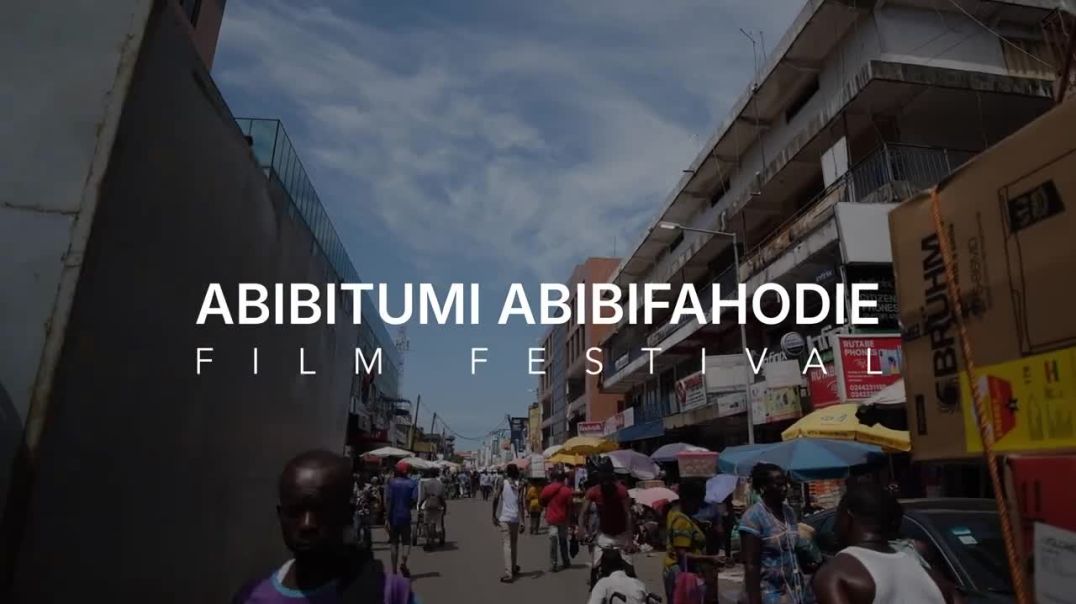

Black Power Film Festival: What Black Power Is
700+ Black power films submitted
16 selected
4 celebrity judges
3 days new films each day
2 platforms - online virtually and live Ghana
1 you, experiencing the Abibtumi Abibifahodie Film Festival
Buy tickets at https://FilmFestival.Abibifahodie.org


Master KG presents the official audio to Skeleton Move featuring Zanda Zakuza.
Available to download/stream via:
iTunes: http://smarturl.it/MasterKGSkeletonMove
Apple Music: http://smarturl.it/MasterKGSkeletonMove
Google Play: http://smarturl.it/MasterKGSkeletonMove
Spotify: http://smarturl.it/MasterKGSkeletonMove
Tidal: http://smarturl.it/MasterKGSkeletonMove
Deezer: http://smarturl.it/MasterKGSkeletonMove
Amazon: http://smarturl.it/MasterKGSkeletonMove
© 2018 Open Mic Poductions
Follow Master KG
Facebook: / masterkgsa
Instagram: / masterkg_skeleton_move
Follow Africori:
/ africori
/ africori
/ africori
Subscribe here: - http://smarturl.it/YouTube_Subscribe
Digital distribution: http://www.africori.com/ #africanmusic #thebestinafricanmusic #africori #africanmusic #thebestinafricanmusic #africori #africanmusic #thebestinafricanmusic #africori LEVEL UP with Vusi Nova • Level Up with Vusi Nova
#africori #thebestinafricanmusic #bestofafrica
music1 songs
Skeleton Move (feat. Zanda Zakuza)Master KGSkeleton Move

![Film: The Vernon Johns Story [1994]](https://d2pqtpahsfkkkc.cloudfront.net/upload/photos/2021/03/e0d0c24beb406d01a8caf9ddc8c3142d3123fb31vjIEzFFEXCquXZ8vZbVm.video_thumb_8959_11.jpeg)

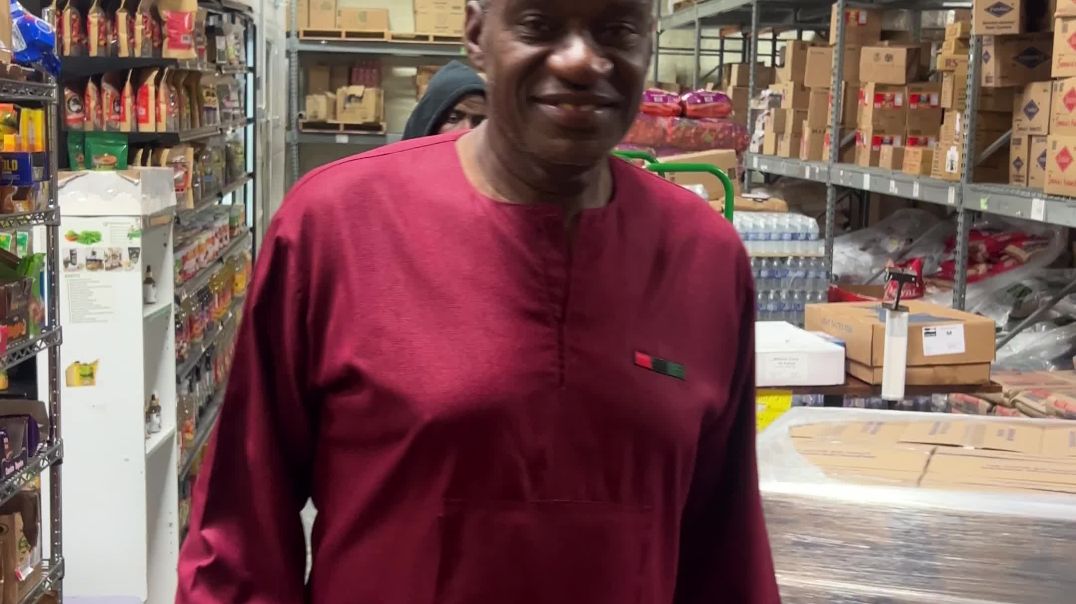


What does returning to Ghana mean when the journey is about identity, belonging, and reconnecting with your African roots?
Her first visit to Ghana in 1972 began a connection that now spans 54 years. In this Webnation Africa conversation, an African American elder shares how that experience shaped her understanding of home, African heritage, and the work of helping others reconnect with the continent.
Born in New York and raised by her grandparents in North Carolina, she reflects on the family traditions that influenced her journey—from generations of midwives to a grandmother who supported women and children in her community. She explains how her encounters in Ghana deepened that connection and inspired her ongoing work through Sankofa journeys and healing circles.
We explore what African Americans considering moving to Ghana should understand beyond the excitement of relocation: learning the culture, building relationships with Ghanaians, preparing for challenges, and becoming part of a community.
In this episode, we discuss:
• Her first visit to Ghana in 1972 and the experience that sparked her journey
• African American identity and reconnecting with African heritage
• Why relocating to Ghana requires more than money
• The importance of language, cultural understanding, and local relationships
• Her perspectives on African spirituality, ancestry, and traditional practices
• Black women’s roles in family, community, and collective healing
• Education, critical thinking, and cultural identity
• Sankofa journeys and her work supporting diaspora reconnection
• Why she encourages people to experience Ghana without romanticizing it
Chapters:
00:00 Preview: Identity, Heritage & Liberation
01:36 Introducing Our Guest
03:06 Growing Up in America & Her Family Roots
05:02 Midwives, Home Births & Family Traditions
08:49 Why Some Diasporans Struggle to Settle in Ghana
10:33 Education & Understanding African Culture
12:37 Travel with Webnation: Ghana Homecoming
14:11 Language, Education & Critical Thinking
15:28 The Sankofa Journey & Reconnecting with Heritage
17:26 Black Women, Healing & Liberation
18:39 Feeling Called to Africa
21:19 “Who Are We?” Identity & Knowledge of Self
22:44 How Her First Visit to Ghana Changed Her
24:48 Her Beliefs About Ancestors & Rebirth
26:16 Her Perspectives on Spirituality & Healing
27:57 Reconnecting with Ancestral Knowledge
29:52 Slavery, Historical Pain & Diaspora Reconnection
33:39 Religion & Traditional African Spirituality
35:15 Experiencing Ghana Beyond Tourism
36:28 Community, Kindness & Belonging in Ghana
38:51 Preparing for Repatriation: Mindset & Support
41:12 Moving Beyond Diaspora Bubbles
43:20 Cultural Identity & Ghanaian Traditions
46:34 What She Remembers About Ghana
48:21 Her Final Message to the Diaspora
This is a personal conversation about what it means to know where you come from—and how that knowledge can shape where you go next. The guest shares her experiences, beliefs, and interpretations; these should not be taken as medical advice or independently verified historical claims.
💬 What does “home” mean to you: where you were born, where you belong, or where you reconnect with your roots? Share your thoughts below.
Subscribe to Webnation Africa for diaspora stories, conversations with entrepreneurs, and perspectives on life across different African countries.
🇬🇭 EXPERIENCE GHANA WITH WEBNATION
Interested in exploring Ghana’s history, culture, and communities? Learn about our travel experiences:
https://webnationtraveltour.squadtrip.com
📲 Travel enquiries: WhatsApp +233 53 098 1924
#webnationafrica #africanamericansinghana #africandiaspora #sankofa #movingtoghana
join out Ghana trip : https://webnationtraveltour.squadtrip.com/trip/roots-legacy-14-day-ghana-homecoming-15003
For business inquiries and collaborations, reach us at webnation@agecreators.com
Or webnationafrica@gmail.com
For enquiries about our trips email , info@webnationtraveltour.com
Let me know if you're okay with adding this!
Join our waitlist : https://mailchi.mp/a549363e9c39/webnationwaitlist

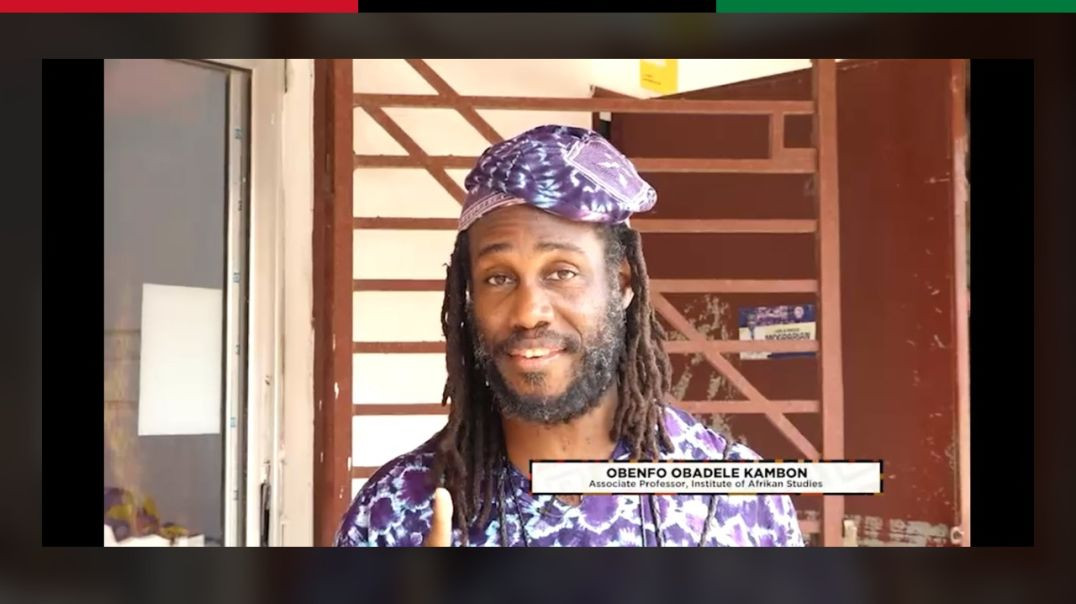
Featured 10-minute excerpt from a complete paid presentation.
Get the complete presentation for $20:
https://www.abibitumi.com/product/adinkra-decoded-reloaded-ghana-television-documentary-featuring-%c9%94benfo-o%cc%a3badele-kambon-complete/?utm_source=abibitumitv&utm_medium=video_preview&utm_campaign=obadele_paid_presentations
#abibitumi #obadelekambon #blackstudies #door