




Top videos

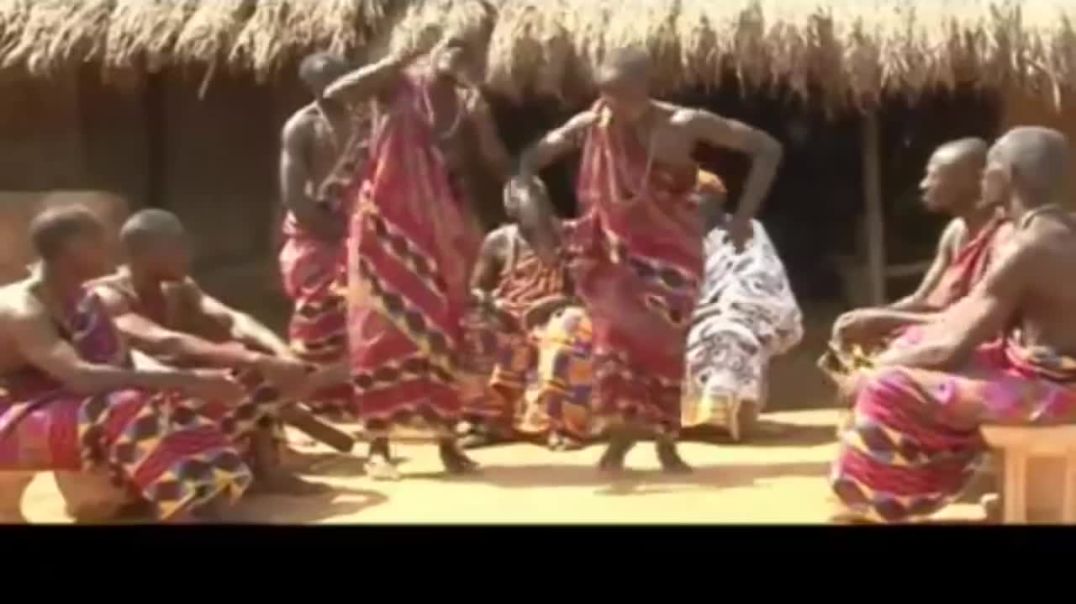
What They Never Tell You About Modern Libation
What They Never Tell You About Modern Libation Baka Omubo 140 Views • 4 years ago

#libations #beer #wine #african
Does modern libation it really works?
What is the purpose of a libation?
Libations are a form of religious offering or sacrifice, typically made to a god or spirit. They are often performed as part of a religious ceremony or ritual, and can be made with a variety of liquids, including water, wine, milk, or even blood in some cases. The liquid is poured or sprinkled on the ground or on an altar as an offering to the deity or spirit.
The act of pouring a libation is often accompanied by prayers or invocations, and may also include other rituals such as burning incense or making other offerings. The libation itself is symbolic, representing the offering of a part of one's own sustenance to the gods, as well as representing the deity's presence in the ceremony.
Libations were a common practice in many ancient cultures, including those of the Egyptians, Greeks, and Romans. In ancient Egypt, libations were poured to honor the dead and to invite their spirits to partake of the offering. In ancient Greece and Rome, libations were poured before and after a meal as a way of honoring the gods and giving thanks for the food.
Libations continue to be practiced in some modern religious ceremonies, such as in traditional African religions and certain sects of Hinduism. In these cultures, libations are poured to honor ancestors, to request blessings or protection, or to give thanks for blessings received.
It is important to note that the practice and meaning of libation may vary greatly from one culture or religion to another, so the specific details of the ritual can differ greatly. Libation failure. Libations may fail to work if they are not performed properly or with the appropriate intentions. For example, if the libation is not made with the correct liquid or if it is not poured in the correct manner, the ritual may not be effective. Additionally, if the person performing the libation is not in the correct state of mind, such as if they are not focused or if they do not truly believe in the ritual, the libation may fail to have the desired effect.
Another reason why libation may fail to work is if the person or deity to whom the libation is offered is not propitiated. In other words, if the deity is not in the right mood or if the person is not in good standing with the deity, the libation may not be accepted or may not have the desired effect. This might happen, for example, if the deity is angry or if the person has not fulfilled their obligations or made the necessary preparations before performing the libation.
Your cleanliness and Mentality.
the person performing the libation is not in the correct state of mind, such as if they are not focused or if they do not truly believe in the ritual, the libation may fail to have the desired effect.
Wearing shoes, Mobile phone in pockets.
Prohibited persons
Wrong reasons
What are the solutions. Find them in this video.
Share, Comment and Subscribe.
Our Email
join@maarifado.com
REF’
Link to book on Libation…
https://www.amazon.com.au/Liba....tion-Afrikan-Ritual-


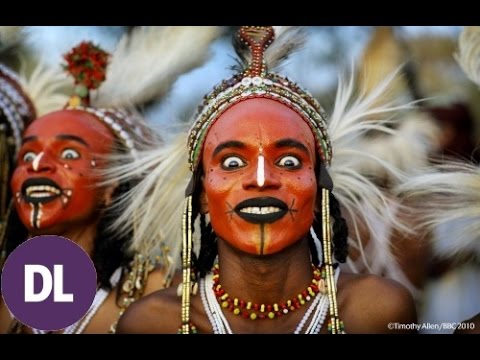
Tribal Odyssey: The Wodaabe
Tribal Odyssey: The Wodaabe Ambakisye-Okang Dukuzumurenyi 140 Views • 5 years ago

Wodaabe are nomads, migrating through much of the Sahel from northern Cameroon to Chad, Niger, and northeast Nigeria. The last nomads in the area, the Wodaabe number between 160,000 and 200,000. Other around them - the Hausa, Fulani, and Tuaeg - regard the Wodaabe as wild people. The Wodaabe refer to the Fulani with equal disdain as Wodaabe who lost their way.The seasons dictate Wodaabe migrations. From July to September, the short rainy season, sporadic storms cause floods. Most of September and October are hot and dry, November to February is cold. The hottest months, March to June, are also dry. During the short rainy season, Wodaabe lineage groups come together and hold their ceremonial dances, the Geerewol, Worso, and Yakke. The rest of the year the Wodaabe split up into small lineage groups.LivelihoodThe Wodaabe's main economic activity is cattle-herding. Cattle provide milk products that, along with cereal obtained through trading, are the basis of the diet. Beef is eaten only during ceremonies. The Wodaabe also keep goats and sheep for milk and meat and use camels and donkeys for transportation.During the dry season, milk production is lowest, and the need for cereal grains especially acute. At thee times, however, the cows are in their poorest condition and grain prices are highest. Thus, Wodaabe sell their cattle at cutrate prices. Moreover, droughts in the 1970s and early 1980s depleted the herds, so many Wodaabe have had to resort to earning wages in towns or herding cattle for their sedentary neighbors.While these activities allow Wodaabe llineage groups and individuals to survive the dry season, they don't rebuilt the herds. The depletion of the herds means the Wodaabe can't use their traditional way of aiding members of the tribe who lose their cattle - by loaning a cow for several years, with the borrower keeping the calves.Cultural SystemsThe Wodaabe divide themselves into 15 lineage groups. Membership is based on both blood-lines and traveling together in the dry season.Membership in a lineage groups determines who can marry whom. The only marriages that may occur between members of the same groups are Koobegal marriages arranged during the partners' childhood and formally recognized by the council of elders. Subsequent Teegal marriages are by choice of the partners.Lineage-group membership doesn't exclude people from Teegal marriages, but such marriages often cause friction. They usually involve "wife-stealing," often with the consent of the woman but never with that of her husband. Teegal marriage is also a source of friction between the new wife and previous ones. More wives means that fewer resources, such as milk from the husband's herd, are allocated to each. Eloping in a Teegal marriage that carries little stigma allows a Wodaabe woman considerable freedom, but she must leave her children with the ex-husband. The system guarantees the children's place in society while permitting spontaneity and flexibility to the parents.The Wodaabe believe in various bush spirits that live in trees and wells and are reputed to be saddened by how people have treated them. All spirits are intertwined in taboos pertaining largely to ecology. Some spirits are dangerous.The Wodaabe have acquired some knowledge of Islam and invoke the name of Allah in times of death or difficulty. However, what constitutes the notion of Allah for the Wodaabe is ambiguous.More central is a set of values concerning beauty, patience, and fortitude. Physical beauty - a long nose, round head, light skin, and white teeth - is one ideal quality, particularly for men but for women as well. Wodaabe sometimes wear makeup to enhance these attractions.Central cultural institutions are the dances - Geerewol, Worso, and Yakke - held during tribal gatherings in the rainy season. During tribal gatherings, flirtations occur and Teegal marriages are negotiated. In the dances, the men of a lineage engage in a beauty contest judged by three young women from an opposite lineage. These young women are picked as judges by the male tribal elders on the basis of their fortitude and patience. They appraise the men on appearance, charm, and dancing ability.SUGGESTED READINGSCarol Beckwith and Marion Offelin, Nomads of Niger, H.N. Abrams, 1983.Carol Beckwith, "Niger's Wodaabe: People of the Taboo," National Geographic, October 1983.Marguerite Dupire, "The Position of Women in a Pastoral Society" in Women of Tropical Africa, ed. by Denise Paulne, University of California Press, 1982.

Showing 50 out of 51