







- General Videos
- Music
- Economics
- Health
- Travel & Events
- History
- Psychology
- Spirituality
- Movies
- News & Politics
- Kmtyw Combat Sciences
- Ɔbenfo Ọbádélé Kambon Videos
- Ɔbenfoɔ Kamau Kambon: Black Liberation Philosophy
- Science, Tech, Engineering and Math
- Permaculture
- Self-Sustainability
- Living Off Grid
- Yoruba Language Learning
- Education
- Mmɔfra Adesua
- Nana Kamau Kambon Playlist
- Livestream
- Komplementarity Kouples and Revolutionary Singles
- Abibitumi Film Series
- Decade of Our Repatriation
- Kwento xpr
- Live
Top videos


Meet Peter Chege; CEO - Hydroponics Africa. He left employment to venture into Hydroponics back in 2013, a concept of soilless agriculture which was new to many at the time. 7 Years later, he has expanded his operations into East Africa and other regions. What is your risk appetite? Would you take such a risk?
Visit their website for more details. https://hydroponicskenya.com/


tts donations here/ https://streamlabs.com/ishowspeed
FOLLOW ME 👀 http://link.me/ishowspeed
MERCH 👕 - https://speed.store/
MEMBERSHIPS ✅ - https://www.youtube.com/c/IShowSpeed/join
for donations tts/ Media Request here
https://streamlabs.com/ishowspeed/tip
IG: https://www.instagram.com/isho....wspeed?igsh=MXNveXVu
X: https://x.com/ishowspeedsui?s=21
Snap : https://snapchat.com/t/IeuoJ50Y
Discord: https://discord.gg/ishowspeed
JOIN MY OTHER CHANNELS
YT Live speedy: https://youtube.com/@LiveSpeed....y?si=Sd4QiWsrk-iGX7f
YT Speedy Boykins: https://youtube.com/@speedyboy....kins7869?si=0jMDTQQs
YT Speeduniverse : https://youtube.com/@SpeedUniv....erse?si=XUMYeIWoUY4T


Can Teija tell the difference between the languages her mum and dad are speaking? 😂
In this challenge, Chan and I take turns saying words in our languages while Teija has to guess which one she’s hearing. Some were easy, some were impossible, and the reactions were hilarious! 🤣
How many would YOU have guessed correctly? Let us know in the comments! 👇
Don’t forget to LIKE 👍, SUBSCRIBE ❤️ and turn on notifications 🔔 for more family fun from The Kabs Family!
⎯⎯⎯⎯⎯⎯⎯
All Partnerships & Buisness Enquiries: info.thekabsfamily@gmail.com
FOLLOW US ON SOCIALS 🙏🏽
KABS FAMILY SOCIALS:
INSTAGRAM: https://shorturl.at/uK6QH
TIKTOK: https://shorturl.at/9Y1bC
FACEBOOK: https://shorturl.at/nPb1m
TWITTER: https://x.com/FamilyKabs
OUR PERSONAL IG ACCOUNTS:
MALI: https://www.instagram.com/maliya_kabs...
TEIJA: https://www.instagram.com/teija_kabs/...
CHAN: https://www.instagram.com/chan_kabs/?...
TJ: https://www.instagram.com/tj_kabs/?hl=en
TAY: / tay_kabs

"2AM in Venezuela" (OFFICIAL VIDEO): https://youtu.be/GtvkwgbVKF8
BLACK WINTER (Full Album): https://youtube.com/playlist?list=PLJSMFuicKjJ46p1K9TlqZPRGFSd0M5z9U&si=4WG_YXCGJinM6XEN
Join the Patreon for exclusive videos that you won't find on Youtube: https://www.patreon.com/NTD1814
S U P P O R T
Cash App - $NelsonAmadeus
PayPal- GlobalHitsWorld@gmail.com
EMAIL - KingNeferkare@gmail.com
Twitter @NTDessalines
Instagram @NelsonAmadeus
TURN ON POST NOTIFICATIONS.

Don't forget to subscribe: https://bit.ly/2Hb8hjx
Watch more interesting videos: https://bit.ly/34ogCaw
Follow Channels Television On:
Facebook: https://www.facebook.com/channelsforum/
Twitter: https://twitter.com/channelstv
Instagram: https://www.instagram.com/chan....nelstelevision/?hl=e
Get more news on our website: https://www.channelstv.com/
#ChannelsTv
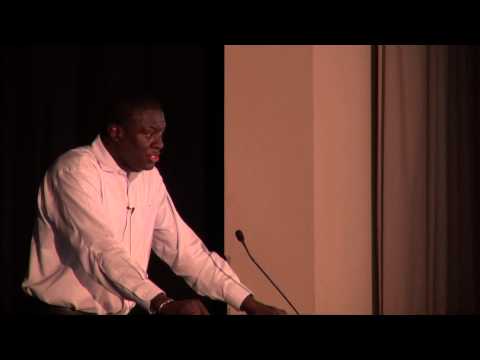


@BSEGhana@DOORUpdates https://www.decadeofourrepatriation.com https://www.repatriatetoghana.com https://www.abibitumi.com/appsRex Owusu Marfo (popularly known as Rex Omar), Coordinator of the Black Star Experience Secretariat under the Office of the President, explains the vision behind this special government initiative to rebrand Ghana through culture, arts, and tourism. He outlines the Secretariat’s seven pillars—storytelling, cinema, music, cuisine, aesthetics, heritage/culture, and literary works—and highlights its role in attracting investment into the creative economy and tourism ecosystem to strengthen infrastructure and long-term development.He stresses that the Black Star Experience is bigger than entertainment or “Dirty December,” calling on brothers and sisters in the diaspora to view Ghana not merely as a place to visit, but as a home to reconnect with spiritually and a place to build with purpose. In the follow-up, he connects this cultural rebranding to the 2026–2036 Decade of Our Repatriation, explaining how government agencies are working together to support repatriation, encourage investment, and foster collaboration between returnees and local Ghanaians to develop the land for future generations.