








- General Videos
- Music
- Economics
- Health
- Travel & Events
- History
- Psychology
- Spirituality
- Movies
- News & Politics
- Kmtyw Combat Sciences
- Ɔbenfo Ọbádélé Kambon Videos
- Ɔbenfoɔ Kamau Kambon: Black Liberation Philosophy
- Science, Tech, Engineering and Math
- Permaculture
- Self-Sustainability
- Living Off Grid
- Yoruba Language Learning
- Education
- Mmɔfra Adesua
- Nana Kamau Kambon Playlist
- Livestream
- Komplementarity Kouples and Revolutionary Singles
- Abibitumi Film Series
- Decade of Our Repatriation
- Kwento xpr
- Live
Top videos


#NTVNews #NTVTonight #NTVWeekendEdition
Subscribe to Our Channel
For more news visit http://www.ntv.co.ug
Follow us on Twitter http://www.twitter.com/ntvuganda
Connect with us on Messenger via m.me/NTVUganda
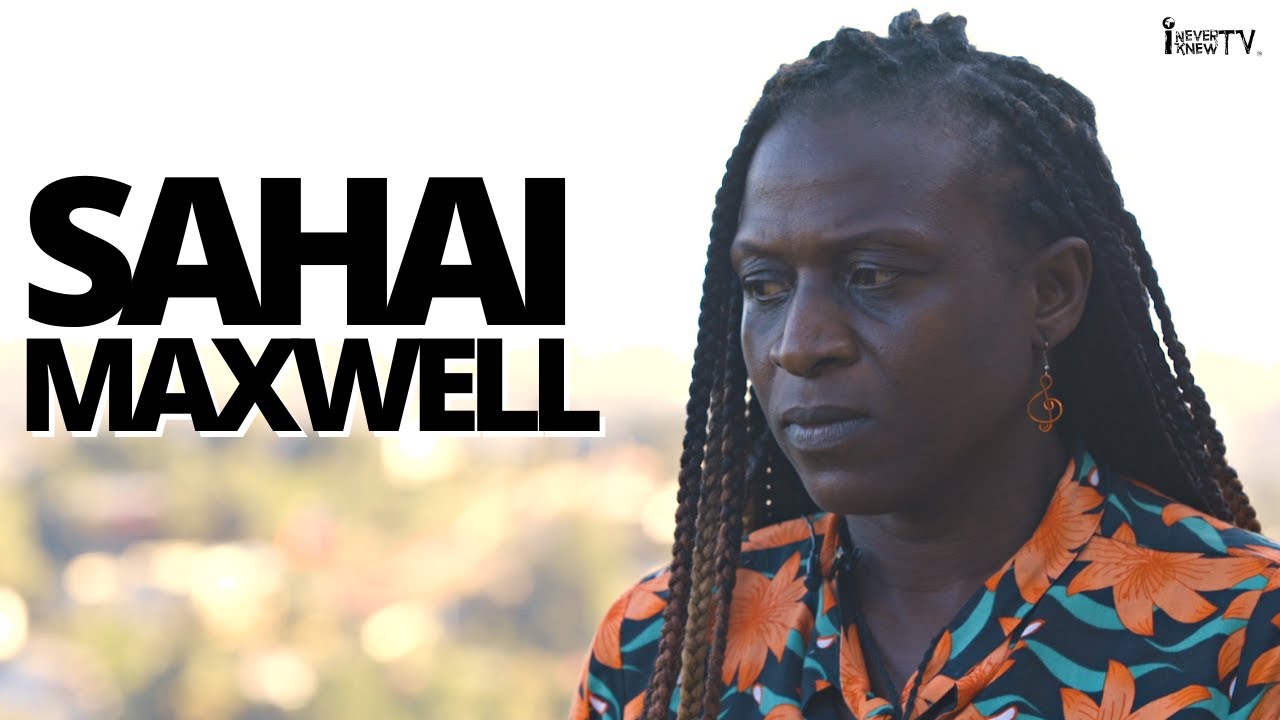

Watch more reasonings from Judge Sahai Whittingham Maxwell
Pt. 1 https://youtu.be/hGPNslektvo
Pt.2 https://youtu.be/ToQp91VuX6E
Pt.3 https://youtu.be/bGrFdULFr5w
Pt.5 https://youtu.be/_n4EYDrVKuM
Pt.6 https://youtu.be/T8YGFEB-qoU
In this clip Judge Sahai Whittingham Maxwell explains why Jamaica has one of the highest cases of paternity fraud in the world.
Whittinghan believes Jamaicans were exposed to relationships in the wrong way and the country suffers from a culture of promiscuity.
➡️ Get Your 'Nyahbinghi Shirt' Today:
https://koncioust.com/products/queen-...
Tune into 'I NEVER KNEW 📻'
🇲🇱Roots, Rock, Reggae Music🇲🇱
Hosted By : Jr of 'I Never Knew Tv'
https://www.WLOY.org
Sunday 9 -11 AM EST
Wednesday 8- 10 AM EST
Thursday 10- Noon AM EST
#skinbleaching #jamaica
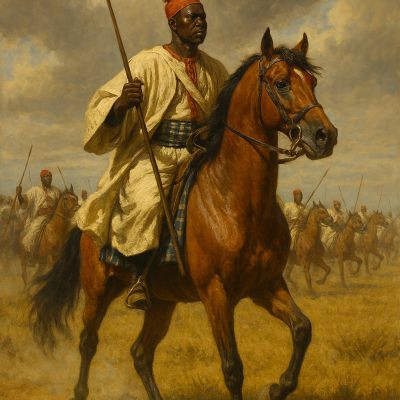


Climate change is increasingly posing a challenge to agriculture development in Africa. The destruction caused by floods and the devastation by droughts across the continent demonstrate the threat posed by the unpredictable weather patterns.
This year, Zimbabwe is expecting its biggest harvest of maize in 20 years, a sign that the country could be ending its cycle of food deficits due to successive droughts and a troubled land reform program undertaken in the early 2000's.
Official data shows the country will harvest about 2.7 million metric tons of the staple grain. This would be almost 200 percent higher than last year.
Maize is a staple crop across much of eastern and southern Africa - and it's not just climate change that's causing problems, the Fall Army Worm is too. It's actually the caterpillar of a moth, native to the US. But it hasn't stayed there - the pest is spreading around the world, ruining harvests, like in southern Africa in 2017. But one project in Ghana is helping farmers to fight back against the hungry caterpillars with a smartphone app.
The Global Hunger Index says the western African country of Cameroon experiences moderate levels of hunger - but here conflict is the main reason for food insecurity. Farming has been greatly disrupted in the country’s Far North region where the army is fighting against a Boko Haram insurgency and the West where English speaking separatists are trying to create a breakaway state.
Subscribe: https://www.youtube.com/user/d....eutschewelleenglish?
For more news go to: http://www.dw.com/en/
Follow DW on social media:
►Facebook: https://www.facebook.com/deutschewellenews/
►Twitter: https://twitter.com/dwnews
►Instagram: https://www.instagram.com/dwnews
Für Videos in deutscher Sprache besuchen Sie: https://www.youtube.com/dwdeutsch
#Africa #ClimateChange #Agriculture
![In The Land Of Giants And Pygmies [1925]](https://i.ytimg.com/vi/4Hos9aZuPjE/hqdefault.jpg)


Welcome back to US Military Power Channel, today's episode we will uncover "The US Army's New Super Robo-Dog With Sniper Rifle".
============================================
❤️ Subscribe Our Channel to Update More Videos everyday: https://www.youtube.com/channe....l/UCajKgpxKwbuhR2PkI
❤️ Our Social Media:
☛ Facebook: https://www.facebook.com/usmilitarypwr/
☛ Pinterest: https://www.pinterest.com/usmilitarypower/
❤️ US Military Power now available on Google Play Store: https://play.google.com/store/....apps/details?id=com.


Join us for a groundbreaking episode on Do Tha Knowledge Radio as we delve deep into the practical application of Afrikan Sovereignty through education and home life implementation. Our esteemed guest, Baba Dr. Mwalimu Baruti, is a 21st-century premier Afrikan scholar, co-founder, and co-director of Akoben Institute—an independent, Afrikan-centered homeschooling program celebrating its 21st year of dedicated service to our community.Baba Dr. Mwalimu Baruti is not just an educator but a prolific author with 35 self-published books and numerous workbooks covering a wide spectrum of topics, from manhood and chess to the Middle Passage, relationships, education, and security. He brings a wealth of knowledge and experience to our discussion.As a former faculty member at Chicago State University and Morehouse College, Baba Dr. Baruti has played a vital role in shaping the educational landscape. For the past two decades, he has continued his mission through teaching courses, classes, and lectures online at the Akoben Institute, serving both adults and youth.In this enlightening conversation, we'll explore how Afrikan Sovereignty can be actively practiced within our homes and educational systems. Baba Dr. Mwalimu Baruti's insights and wisdom offer a roadmap for individuals and families seeking to reclaim their cultural heritage, identity, and self-determination.Tune in to gain valuable knowledge and inspiration from a true trailblazer in the field of Afrikan-centered education. This is an episode you won't want to miss!#afrikansovereignty #education #homelife #communityservice #culturalheritage

Reggie heads to Ghana to live on one of the largest electronic waste dumps in the world, Accra's Agbogbloshie. Working with a group of burner boys, Reggie discovers first hand what life is like for the people who earn a living on the site.
From The Insider: Reggie Yates: A Week in a Toxic Waste Dump
Twitter: https://twitter.com/realstoriesdocs
Facebook - https://www.facebook.com/RealStoriesChannel
Instagram - @realstoriesdocs
To listen to some of the best new documentary filmmakers talk on The Doc Exchange podcast, click this link: https://podfollow.com/the-doc-....exchange-a-real-stor
Content licensed from Hat Trick. Any queries, please contact us at owned-enquiries@littledotstudios.com
If you loved this film, Real Stories has hundreds of more full-length documentaries, click the link to enjoy: http://bit.ly/1GOzpIu


Insecurity in Ghana: Daylight violent crimes and cries for solution - Newsfile on JoyNews (19-6-21)
#Insecurity_in_Ghana
#Newsfile
#MyJoyOnline
https://www.myjoyonline.com/ghana-news/
Subscribe for more videos just like this:
https://www.youtube.com/channe....l/UChd1DEecCRlxaa0-h
Click to this for more news:
https://www.myjoyonline.com/


My goal for Ghana was/is to simply live and experience life, not as a tourist (as much as that is possible). The weekend gave me a nice dose of that!
Take a listen to my story and share your thoughts below!
More about me: https://sociatap.com/TryphenaWade
Check me out on IG: / tryphena_wade
#tryphenawade #globetrotter #travel #ghana #encouragement #lifelessons #restoration #christian #humility #accra #kumasi
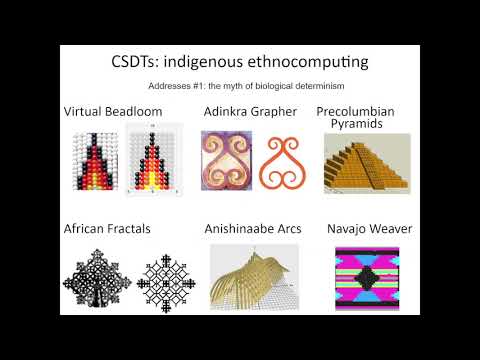
Presented by Ron Eglash; co-hosted by the University of Michigan School of Information and the Library of Michigan; project made possible in part by the University of Michigan School of Information. For an audio transcript of this video, please visit https://drive.google.com/open?....id=13y47iQrviZN-oFX7 .