







- General Videos
- Music
- Economics
- Health
- Travel & Events
- History
- Psychology
- Spirituality
- Movies
- News & Politics
- Kmtyw Combat Sciences
- Ɔbenfo Ọbádélé Kambon Videos
- Ɔbenfoɔ Kamau Kambon: Black Liberation Philosophy
- Science, Tech, Engineering and Math
- Permaculture
- Self-Sustainability
- Living Off Grid
- Yoruba Language Learning
- Education
- Mmɔfra Adesua
- Nana Kamau Kambon Playlist
- Livestream
- Komplementarity Kouples and Revolutionary Singles
- Abibitumi Film Series
- Decade of Our Repatriation
- Kwento xpr
- Live
Top videos
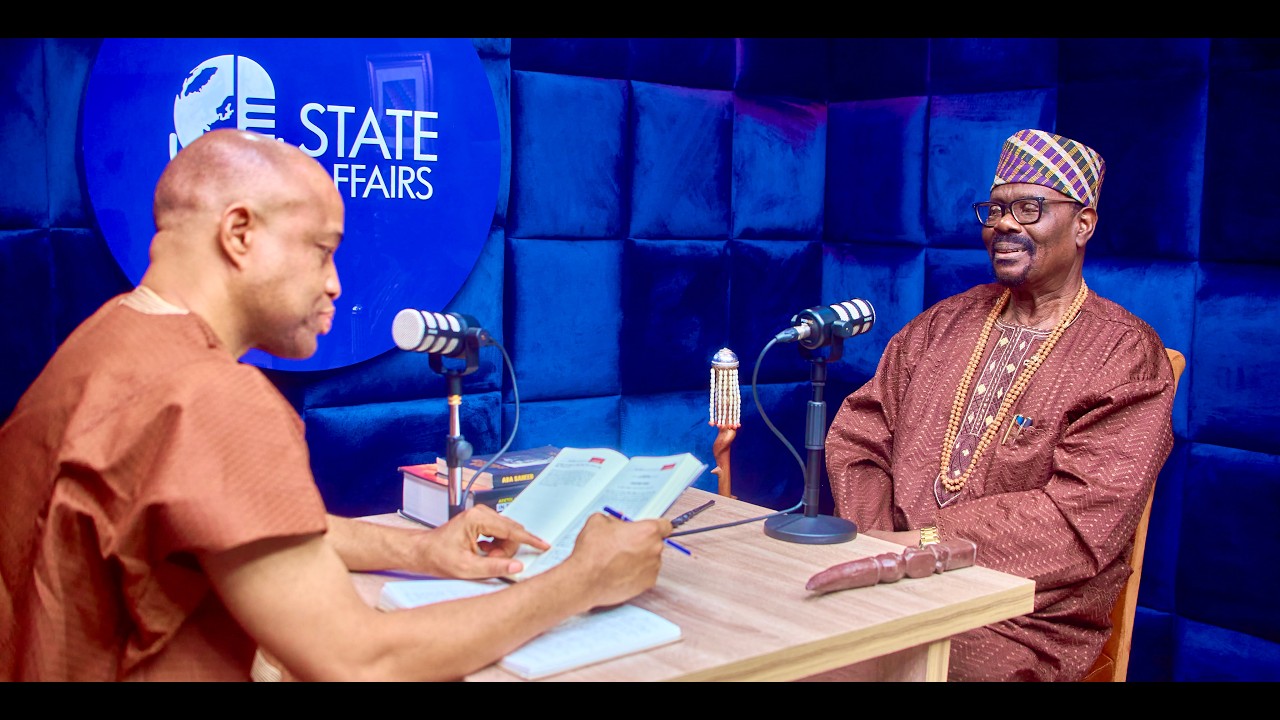

What happens after life, and who gets to define it?
Chief Tola Adeniyi, former Editor-in-Chief of the Daily Times and Nigerian Tribune, steps into one of humanity’s most controversial conversations with striking certainty. He rejects the traditional doctrines of heaven and hellfire, arguing instead that such ideas were constructed as instruments of control, tools used by some to dominate the minds and destinies of others.
Speaking not as a detached observer but as a man shaped by decades of journalism, power, and reflection, Adeniyi describes himself as a spiritualist, one who believes in an essence that transcends physical death. For him, existence does not end; it transforms. The body may fade, but something deeper, more enduring, continues its journey.
This is a critique of religion, a personal philosophy forged through experience, conviction, and a refusal to accept inherited truths without question.
To order Tola Adeniyi’s autobiography, tap the link: https://udarabooks.com/home/47....0-chapters-of-destin
Or chat with Udara Books on WhatsApp: +2348099918449


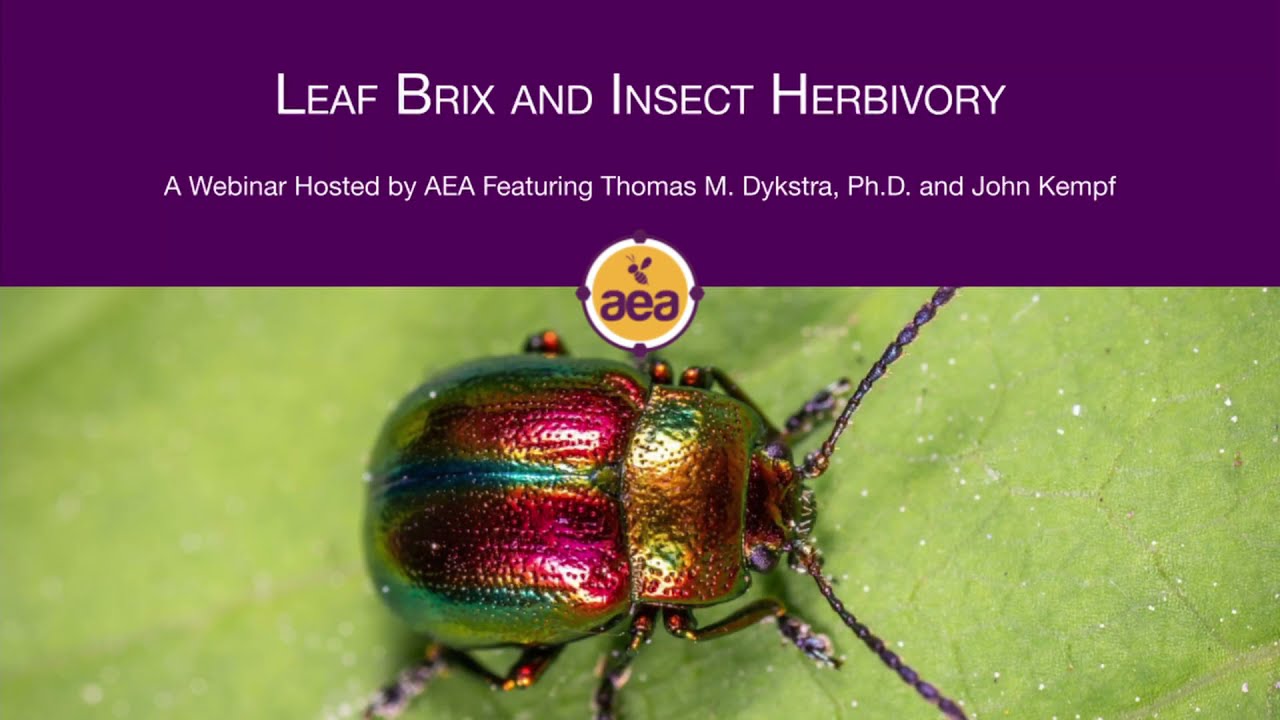

Dr. Thomas Dykstra, Laboratory Director of Dykstra Labs and AEA Scientific Advisor, is a trained entomologist with a vast background in agricultural consulting. For years, Tom has been illuminating farmers to the science behind insect pressure and demonstrating why insects do not—and cannot—attack healthy plants.
In our latest webinar, Dr. Dykstra sits down with John Kempf to explain what constitutes a healthy plant, the machinations of insect digestion, and how to use the Leaf Brix chart as a reference guide for any kind of pest pressure.
https://www.advancingecoag.com/
Never miss an update from AEA! Sign up for our newsletter here: https://www.advancingecoag.com/newsletter-sign-up



🌍 African Innovation Shocks U.S Engineers! 🤯 | A.I-Powered Prosthetics
Meet David Gathu and Moses Kiuna, two self-taught Kenyan inventors who built an A.I-powered robotic prosthetic arm—with zero funding! Using salvaged electronics, their innovation captures brain signals to control movement, offering a life-changing solution for amputees.
Despite facing challenges, their startup AfroGenesys is proving that African innovation can change the world. Even U.S engineers were left in shock! Could this be the future of prosthetics? Bye-bye disabilities!
💡 Watch their inspiring journey & groundbreaking invention!
🔔 Subscribe for more inspiring stories!
📢 Share to support African innovation!
#afrimax #afrimaxenglish #afrimaxtv #africaninnovation #aiprosthetics #techforgood #disabilityawareness


In this video , a Ghanaian finds SHOCKING similarities between Jamaica's Kromanti, Patois and Ghana's Fantse/Twi. Dive into the remarkable life of Nanny of the Maroons, Jamaica's only female national hero.
The Moore Town Maroons of Jamaica - Maroon Kromanti Language
From her early days in Ghana to her legendary leadership of the Maroons, discover the legacy of a woman who fought for freedom against all odds. Don't forget to subscribe for more inspiring stories from history.
Kindly subscribe to this channel.
The Untold Story of Nanny of the Maroons: Jamaica's Fierce Freedom Fighter
PATREON: https://www.patreon.com/ekowsimpson
PAYPAL: https://paypal.me/eegyir
Email: ekespossibilityconsult@gmail.com
WhatsApp/Direct Contact: +233 246 30 2158
Mobile Money or WAVE: +233 246 30 2158
SOCIALS.....................
INSTAGRAM: instagram.com/ekowsimpson_
FACEBOOK: facebook.com/ekowesimpson
TWITTER: https://twitter.com/EkowESimpson
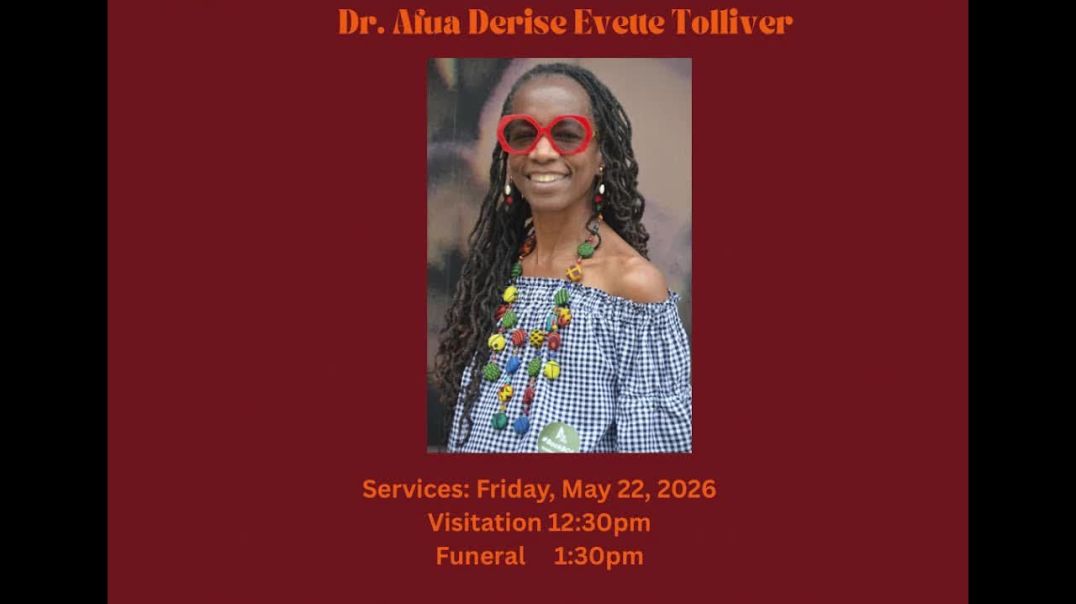


Join Dr. Marimba Ani in this compelling lecture where he explores the transformative power of the African worldview. Discover how intimacy and deep connection are central to healing, cultural identity, and collective organization. In this presentation, Dr. Ani discusses the importance of communalism over individualism, the role of spirit as energy, and how our African roots can guide us to overcome materialism and fragmentation in society. Learn practical insights on using the collective force of our shared heritage to organize politically and spiritually for a stronger, unified future.
**Key Topics & Timestamps:**
0:03 – **Introduction & Intimacy:** Understanding deep connection as the foundation of healing.
0:29 – **Cultural Politics:** Reflections on Ron Daniels’ assertion that “there's no politics without culture.”
1:01 – **African Identity:** Overview of the book *Let the Circle Be Unbroken* and its impact on defining African identity.
2:02 – **African Worldview Paradigm:** Introducing a paradigm to understand who we are and where we come from.
3:01 – **Spiritual Wholeness:** Exploring the idea that the universe is a spiritual whole and how that influences communal living.
5:01 – **Collectivism vs. Individualism:** The detrimental effects of Western individualism and materialism on African communities.
7:45 – **Spirit as Energy:** Discussing spirit, energy, and force as essential components of African thought.
8:48 – **Collective Energy & Organizing:** Strategies for harnessing collective energy to empower pan-Africanist organizations.
**Keywords:**
Dr. Marimba Ani, African worldview, healing, collectivism, community, cultural identity, African philosophy, spirituality, energy, political organization, cultural healing, communalism, African identity, pan-Africanism, African lecture
**Hashtags:**
#drmarimbaani #africanworldview #healing #collectivism #culturalidentity #spirituality #communityempowerment #panafricanism
![Fela Kuti - Beasts of No Nation [1989]](https://i.ytimg.com/vi/pCpua4dvUXs/hqdefault.jpg)


Sign and share the petition:https://www.change.org/ghanacitizenshipƆbenfo Ọbádélé Kambon joins WSYP Sankɔfa Radio to discuss the urgent petition for fair, transparent, accessible, and affordable reparative citizenship for the Historic Diaspora in Ghana.In this wide-ranging interview, Ɔbenfo Ọbádélé Kambon explains how the current citizenship petition grew out of years of organizing, beginning with the 2016 citizenship process that helped 34 Historic Diasporans receive Ghanaian citizenship under President John Dramani Mahama. He recounts how the original process emerged from meetings at the Institute of African Studies, University of Ghana, and how there was no GHS 25,000 citizenship fee, no DNA requirement, and no sudden 48-hour compliance window at that time.The interview breaks down the major concerns raised in the petition, including:The prohibitive GHS 25,000 citizenship application feeThe need to permanently remove DNA as an exclusionary barrierUnclear and rushed application timelinesThe absence of constituency-mandated Historic Diaspora representationThe contradiction between calling the Historic Diaspora Ghana’s “17th Region” while treating reparative citizenship like ordinary immigrationThe need for Ghana to live up to its own Diaspora Engagement Policy and Pan-Afrikan commitmentsƆbenfo Ọbádélé Kambon also explains why this is not anti-Ghana. It is a call for Ghana to live up to the best of what it has already declared. The discussion emphasizes that a huge swath of petition signatories are Ghanaians born and raised in Ghana, showing that this is not a conflict between Ghanaians and the Historic Diaspora. It is Pan-Afrikan solidarity in practice.This conversation also connects the petition to the Decade of Our Repatriation, the Sankɔfa Journey, Abibitumi’s 20th anniversary, and the broader need to keep the door open for Black people seeking repair, repatriation, and restored relationship with Ghana and Abibiman.Sign and share the petition:https://www.change.org/ghanacitizenshipLearn more about Decade of Our Repatriation:https://decadeofourrepatriation.comJoin The Black Agenda GH on Black platforms, beyond the algorithm & blues:Abibitumi Public Group:https://www.abibitumi.com/grou....ps/the-black-agenda- The Black Agenda GH:https://youtube.com/@Blackagen....daghhttps://www.inst @blackagendaghRecorded and transcribed by Ɔbenfo Ọbádélé Kambon.The process must match the promise.#reparativecitizenship #ghanacitizenship #historicdiaspora #theblackagenda #decadeofourrepatriation #wsypsankofaradio #SankɔfaRadio #ghana #panafrikan #rightofreturn #abibifahodie #abibitumi

Join us for the Abibitumi conference at https://www.abibitumi.comVideo description: Launch of The Gourd Magazine — Readings, Rationale & Q&A (Festival Session)On the third and final day of the PA Festival in Accra, this session launches The Gourd Magazine—a new platform for critical writing and creative work in Ghanaian and other Afrikan languages. The conversation covers the magazine’s mission, why language choice matters, and live readings by contributors.Who’s in the videoƆbenfo (Professor) Ọbádélé Bakari Kambon — Associate Professor, Institute of African Studies (UG). Reads his Twi poem “When the Enemy Shows the Way” and discusses composing exclusively in Afrikan languages; later shares a Yoruba oríkì for Dr. John Henrik Clarke.Kofi Nazzah (video link, from Manchester) — Founder/Editor of The Gourd Magazine. Outlines the vision: rigorous cultural criticism and creative writing in local languages; previews his review of the film “The Eyes of Ghana.”Kofi Akpabli — Writer/lecturer/journalist. Reads from “What Is Right with Akpeteshie?” — a long-form cultural meditation on Ghana’s famed local gin.What you’ll hearWhy The Gourd Magazine centers indigenous languages for poetry, essays, and reviewsA Twi performance of “When the Enemy Shows the Way” with English renderingA lively reading on akpeteshie—history, stigma, scent, and social lifePlans for print + digital editions and publishing cadence (aiming for quarterly; may begin with two issues annually)Closing launch announcement and performance of “Quiet Warrior”Chapters0:00 Welcome & session setup0:33 Opening remarks — festival day 3, intro to The Gourd Magazine1:03 Introducing online panelist Kofi Nazzah (audio link-up)2:48 Ɔbenfo Ọbádélé Bakari Kambon — background & contribution5:00 Connection stabilizes; panel flow resumes8:06 Magazine purpose & contributor intros (on-stage)13:12 Twi poem reading: “When the Enemy Shows the Way” (+ translation)18:33 Kofi Akpabli reading: “What Is Right with Akpeteshie?” (excerpt)22:28 Editor’s note: film review “The Eyes of Ghana” (Nazzah)28:58 Audience Q&A — print vs. digital, frequency31:10 More readings & reflections (Akpeteshie; Yoruba oríkì follows)34:32 Oríkì: Yoruba praise poem for Dr. John Henrik Clarke39:03 Official launch of The Gourd Magazine41:18 Closing announcement & “Quiet Warrior” performanceHow to supportGrab the print issue when announced and share the digital releaseSubmit original work (poetry, essays, reviews) in Ghanaian and other Afrikan languagesSpread the word to readers, writers, and educatorsPlease download and register for our apps so we can chat in real time:1. Abibitumi.com (Social Education App)Abibitumi.com (Social Education App): Learn and network—access courses & live sessions, join groups, share photos/videos, message your community, and get event updates in one place. Android: https://play.google.com/store/....apps/details?id=com. https://apps.apple.com/pl/app/....abibitumi-com/id1641 2. Abibinkra (Messaging App)Abibinkra (Messaging App): Free photo/video sharing, free voice & video calls, fast group chats, voice notes, and file sharing with Kmtyw 'Black People' worldwide. Android: https://play.google.com/store/....apps/details?id=com. (direct download): https://www.abibitumi.com/abibinkraiosappOnce you create your login on Abibitumi.com you can use the same username and password for Abibinkra.Tech Support: Kodjo of Asuture — +233 50 554 8436Email support: Agya Kwadwo Tòkunbọ̀ kwadwo@abibitumi.com