#selfreparations
Ghana UN Slave Trade Resolution Passed | BBC Interview w/ Ɔbenfo Ọbádélé Kambon [Complete Uncut]
Register for today’s comprehensive presentation: https://www.abibitumi.com/crimeagainsthumanity Before today’s presentation, “Ghana’s UN Resolution: Transatlantic Slave Trade a Crime Against Humanity,” this BBC interview with Ɔbenfo Ọbádélé Bakari Kambon offers important context on the stakes of the moment: the significance of Ghana’s UN resolution, the limits of symbolic recognition alone, the implications for reparations, and why DOOR points toward self-reparations through repatriation and rebuilding. The event page describes today’s session as a discussion of the resolution’s historical, legal, political, and global implications, tied directly to DOOR as a concrete form of self-reparations. In this BBC interview conducted on Thursday, March 26, Ɔbenfo Ọbádélé Bakari Kambon discusses the significance of Ghana’s push for international recognition of the transatlantic slave trade as a crime against humanity, the limits of UN resolutions, and why self-reparations through repatriation must remain central to the work ahead.This interview explores:• the symbolic and diplomatic importance of the UN resolution• why recognition alone is not enough• the ongoing realities and effects of enslavement• the distinction between state reparations and self-reparations• why repatriation is a practical pathway forward right nowToday’s presentation begins at 7pm GMT / 3pm EST on March 28, 2026 and is presented by Ɔbenfo Ọbádélé Kambon through Abibitumi. Register for today’s presentation:https://www.abibitumi.com/crimeagainsthumanityLearn more:https://www.decadeofourrepatri....ation.comhttps://www #door #repatriation #ghana #diaspora #reparations #selfreparations #blackpower #abibitumi
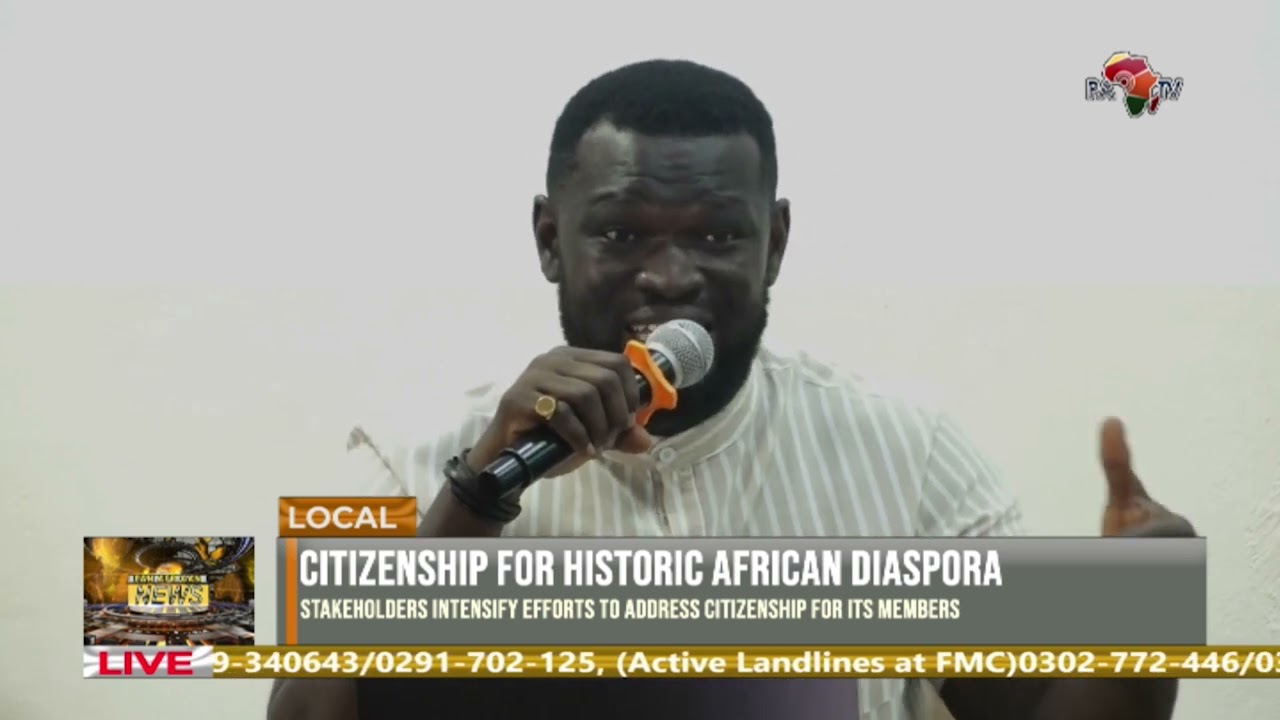
Pan-African TV News ReportHistoric diasporans, scholars, and community leaders came together at the University of Ghana for a powerful town hall meeting on citizenship, repatriation, and the future of Black unity on the continent. Organized by The Black Agenda in collaboration with the Institute of African Studies, the gathering focused on one urgent question: how can historic diasporans return home and contribute fully if colonial-era barriers are still standing in the way?Speakers challenged the monetary and legal obstacles placed before historic diasporans seeking citizenship, arguing that these policies discourage return, block investment, and undermine the call for reconnection. The discussion also pushed beyond Ghana alone, calling for African leaders and continental institutions to take up the matter so that repatriation is treated not as an isolated national issue, but as a shared African responsibility.The event tied citizenship directly to reparative justice, self-reparations, and the right of scattered African descendants to come home without punishment, exclusion, or unnecessary burdens. The message was clear: the time has come for African laws and institutions to reflect the reality that Africa is one and indivisible, and that historic diasporans must be welcomed back in substance, not just in words.Hashtags:#repatriation #historicdiasporans #ghanacitizenship #blackagenda #universityofghana #reparativejustice #selfreparations #returntoafrica #blackunity #africaisone #diasporacitizenship #instituteofafricanstudies