




- General Videos
- Music
- Economics
- Health
- Travel & Events
- History
- Psychology
- Spirituality
- Movies
- News & Politics
- Kmtyw Combat Sciences
- Ɔbenfo Ọbádélé Kambon Videos
- Ɔbenfoɔ Kamau Kambon: Black Liberation Philosophy
- Science, Tech, Engineering and Math
- Permaculture
- Self-Sustainability
- Living Off Grid
- Yoruba Language Learning
- Education
- Mmɔfra Adesua
- Nana Kamau Kambon Playlist
- Livestream
- Komplementarity Kouples and Revolutionary Singles
- Abibitumi Film Series
- Decade of Our Repatriation
- Kwento xpr
- Live
Top videos
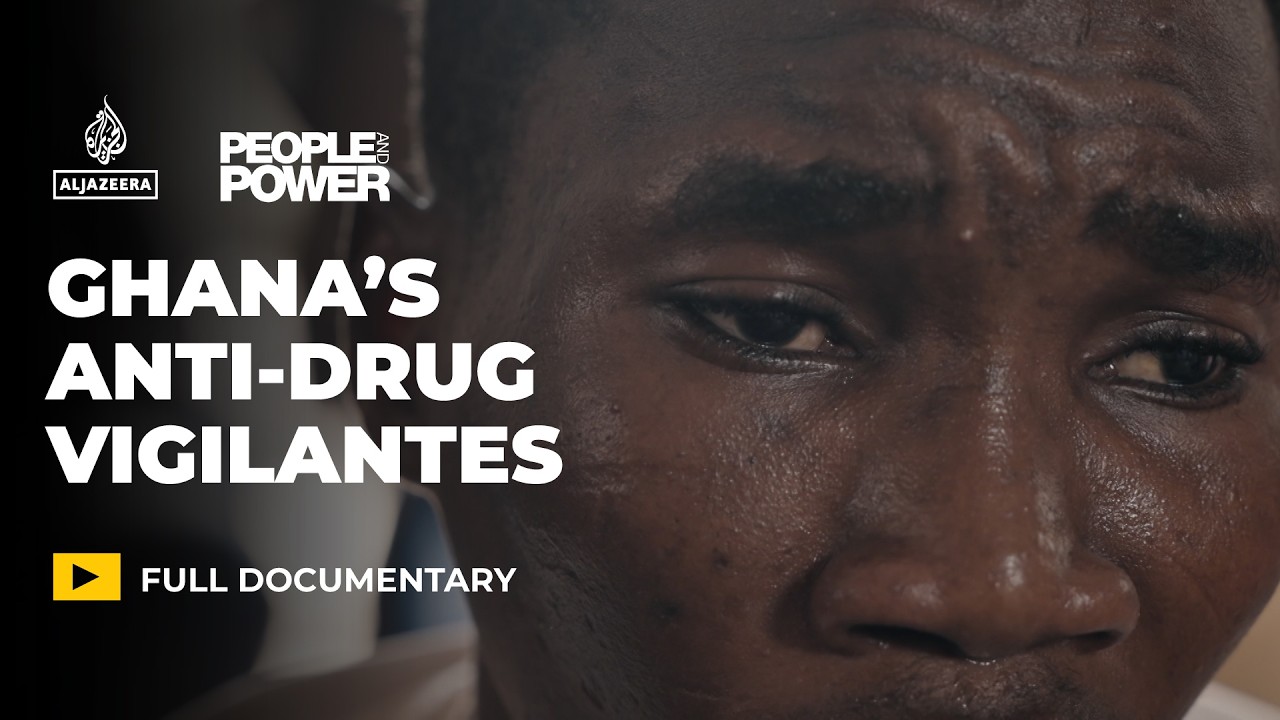

Ghana is facing an opioid addiction crisis, with a flood of cheap, synthetic drugs destroying lives and communities. In the northern city of Tamale, a group of civilians, frustrated by what they see as the inaction of local authorities, are taking the law into their own hands.
The 'anti-drug task force' patrols the streets, seeking out dealers and users and meting out its own brand of justice. Some government officials condemn the vigilantes, while others embrace them as a useful tool in the fight against illegal drugs. As word spreads about the success of Tamale's task force, some question whether civilians can properly replace state services - and warn about the dangers of vigilante justice.
#ghana #documentary #drug #investigation #aljazeera #aljazeeraenglish


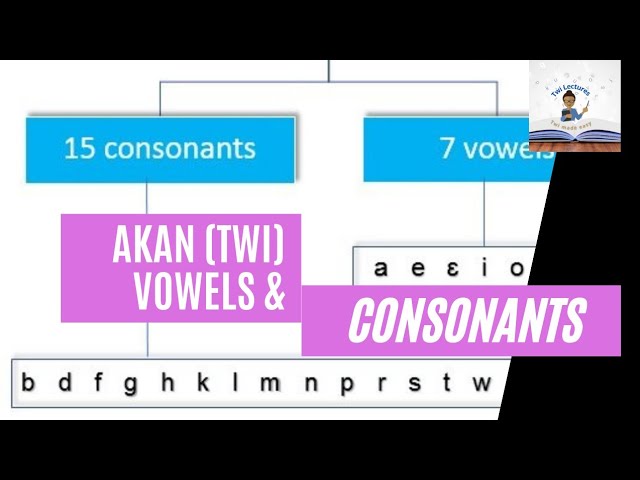


This video explains the concept of family in the African culture with an example from my Kikuyu (a tribe in Kenya) extended family comparing it with Western nuclear family.
#identity #kenya #communication #culture #westernculture #communication #family

~::*Visit our sponsors*::~
Register for Express Igbo class https://www.expressigbo.com/ex....press-igbo-class-reg
Mmuta Di Uto Activity Book Series https://www.amazon.com/dp/B0DGL9M6DG
Unu Dum Storybook https://a.co/d/8qwKCr6
Join us on Patreon https://patreon.com/mmutadiuto
Sign up for our FREE mailing list https://unudumfilm.aweb.page/mmutadiuto-signup
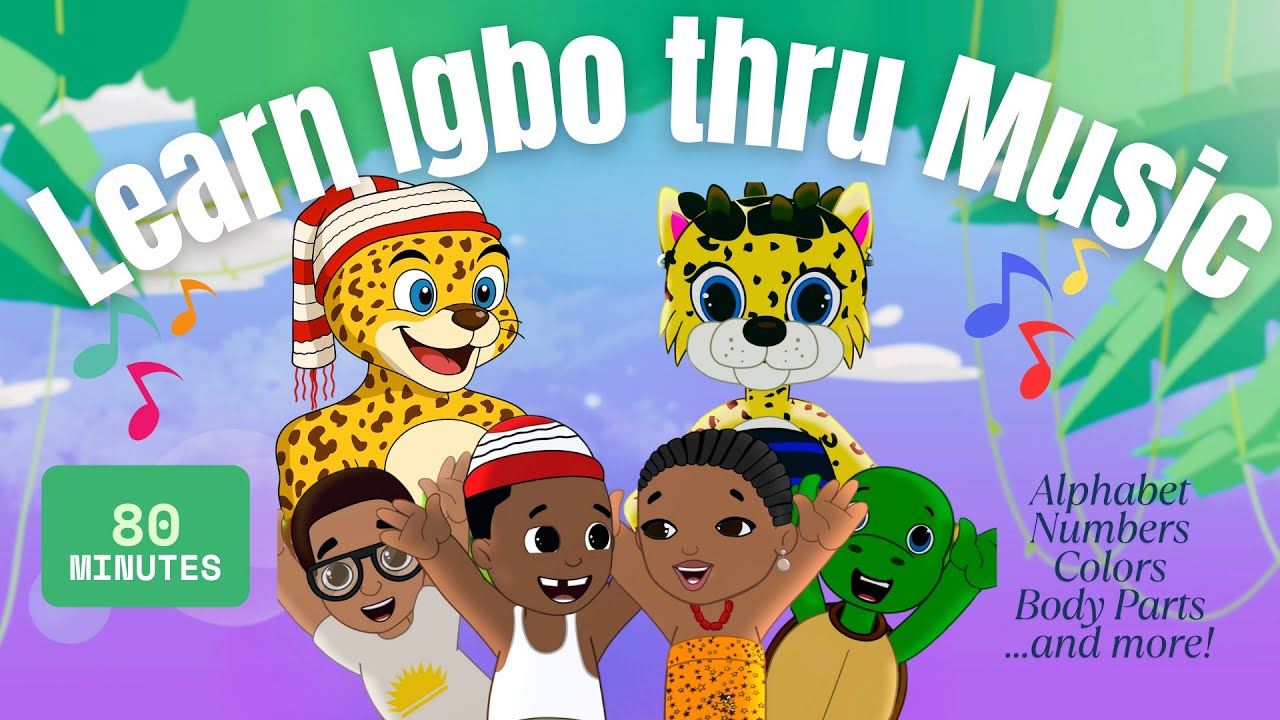
Dive into an immersive, 80-minute loop of Mmuta Di Uto’s most beloved educational cartoons—perfect for young learners to sing, dance, and absorb Igbo language and culture. This compilation features:
Igbo Alphabet Song (Abụọ Na Irè): A catchy tune that introduces each letter of the Igbo alphabet with fun animations and clear subtitles.
Igbo Number Song (Onu Ogugu): Count from 1 to 10 (and beyond!) in Igbo alongside colorful characters, complete with English and Igbo captions to reinforce learning.
Igbo Body Part Song (Egwu Akuku Ahu): Explore body parts in Igbo, from “isi” (head) to “ụkwụ” (leg), with engaging visuals and on-screen text for both languages.
Igbo Color Song (Egwu Agwa): Learn colors through vibrant scenes, as Nwaada Agu and friends point out every shade in Igbo and English, supported by karaoke-style subtitles.
Unu Dum Theme Song: Sing along to the popular theme from our animated folktale, “Unu Dum,” with bilingual subtitles that help reinforce vocabulary and pronunciation.
Whether you’re a parent seeking a fun way to expose your child to Igbo, an educator looking for classroom-friendly resources, or a young learner ready to explore language through music and animation, this video is designed to captivate and educate. The continuous loop ensures non-stop entertainment and repeated exposure—ideal for:
Long car rides or quiet playtime
Classroom background during learning activities
Bedtime routines, helping kids wind down with gentle melodies
Supplementing homeschooling or after-school enrichment
All segments include synchronized subtitles (Igbo and English), so children can follow along word-for-word. Subtitles appear karaoke-style during each song, encouraging reading practice and pronunciation. By the end of the 80-minute loop, viewers will have repeated exposure to fundamental Igbo vocabulary—reinforcing retention and making learning feel effortless.
👍 Like, Share, and Subscribe if you enjoy this compilation!
🔔 Click the bell icon to stay updated on new releases from Mmuta Di Uto, including fresh songs, animated folktales, and interactive learning videos.
📱 Follow us on social media @MmutaDiUto for behind-the-scenes content, printable activity sheets, and exclusive previews.
Why Mmuta Di Uto?
Our mission is to preserve and promote the Igbo language through engaging, age-appropriate media. Every song and animation is crafted by native speakers and educators to ensure cultural authenticity and pedagogical soundness. With this compilation, you’re not only entertaining your child—you’re laying the foundation for bilingualism, cultural pride, and lifelong learning.
Looking for more?
Visit our YouTube channel for individual song playlists and full-length stories.
Check out our website (link in the description) for downloadable coloring pages, lesson plans, and subscription options for early access to new content.
Join our Patreon community for exclusive sneak peeks, live Q&A sessions, and printable resources tailored to young Igbo learners.
Let the music play, the subtitles guide, and the learning begin—80 minutes of joy, discovery, and Igbo greatness awaits!
#maaziagu #igbo
![War By Other Means: IMF & World Bank - Weapons of War [John Pilger]](https://i.ytimg.com/vi/ZOQFqAPYBvM/hqdefault.jpg)

Social influencer Raquel Brito made headlines recently when rejected suggestions that she undergo rhinoplasty surgery. Due to Brazil's Eurocentric standards of beauty, the discussion of the "correction" of the "negroide nose" is common not only within the population but also in the cosmetic surgery industry.
Please Visit our Website to get more information: https://blackbraziltoday.com/🔔Explore the true narrative of Brazil – Subscribe to Black Brazil Today for insightful discussions on race, culture, and media.🔍 =============================✅ About Black Brazil Today. Welcome to Black Brazil Today, a channel that explores black Brazilians' vibrant and diverse experiences✊. Get into our in-depth race, culture, and media discussions, highlighting Brazilian society's significant strides and challenges. Join us as we dissect racial dynamics, celebrate black Brazilian culture, and amplify voices often unheard. From music and movies to social movements, we bring you the real stories shaping black Brazil's narrative. Subscribe to be part of a community committed to truth, representation, and change. 🎥🌍💬 🔔 Let's Explore the untold stories – Subscribe to Black Brazil Today for the latest on black Brazilians in news, music, and entertainment. 🎵📰 https://www.youtube.com/@black....braziltoday3316/tuto =================================#rhinoplasty #plasticsurgery #blacknose #afrobrazilians #blackbrazilians #europeanstandardofbeauty #cosmeticsurgery #raquelbrito #davibrito #beautyaesthetic ⚠DISCLAIMER: We do not accept any liability for any loss or damage incurred from you acting or not acting as a result of watching any of our publications. You acknowledge that you use the information we provide at your own risk. Do your research. Copyright Notice: This video and our YouTube channel contain dialogue, music, and images that are the property of Black Brazil Today. You are authorized to share the video link and channel and embed this video in your website or others as long as a link back to our YouTube channel is provided. © Black Brazil Today
#unitedstatesofafrika #thinkbigforafrica #africanunity #oneafrica #theunitedstatesofafrika #panafricanism
This is not just music.
This is a declaration!
Africa must UNITE!
We want:
1. One nation
2. One common economy
3. One powerful Army
4. One powerful shared currency.
5. One common official Afrikan language
6. One common passport and No visas for Afrikans to and from any Afrikan State.
7. Free movement of goods and services within all Afrika States.
9. One voice in global policy
10. One national Anthem
11. One Flag
We inspire execution.





➡️ Sign Up Today To Join The 'I Never Knew Tv' Movement:
https://ineverknewtv.com/sign-up/
In this reasoning Rastafari dub poet, musician, actor, educator, and radio host Mutabaruka challenges Black men to do a better job as fathers.
➡️ Please subscribe to Mutabarukas' new internet radio station Rasss Internet: https://rasssinternet.today
➡️ Get Your 'Nyahbinghi Shirt' Today:
https://koncioust.com/products..../queen-muhumusa-empr
➡️ Listen To The 'Generation Gap Riddim':
🔥🇬🇳 https://ingrv.es/generation-gap-riddi-3qn-i 🇬🇳🔥
➡️ Tune into 'I NEVER KNEW 📻'
🇲🇱Roots, Rock, Reggae Music🇲🇱
Hosted By : Jr of 'I Never Knew Tv'
https://www.WLOY.org
Sunday 9 -11 AM EST
Wednesday 8- 10 AM EST
Thursday 10- Noon AM EST
#mutabaruka #blackfathers


"2AM in Venezuela" (OFFICIAL VIDEO): https://youtu.be/GtvkwgbVKF8
BLACK WINTER (Full Album): https://youtube.com/playlist?list=PLJSMFuicKjJ46p1K9TlqZPRGFSd0M5z9U&si=4WG_YXCGJinM6XEN
Join the Patreon for exclusive videos that you won't find on Youtube: https://www.patreon.com/NTD1814
S U P P O R T
Cash App - $NelsonAmadeus
PayPal- GlobalHitsWorld@gmail.com
EMAIL - KingNeferkare@gmail.com
Twitter @NTDessalines
Instagram @NelsonAmadeus
TURN ON POST NOTIFICATIONS.