
- General Videos
- Music
- Economics
- Health
- Travel & Events
- History
- Psychology
- Spirituality
- Movies
- News & Politics
- Kmtyw Combat Sciences
- Ɔbenfo Ọbádélé Kambon Videos
- Ɔbenfoɔ Kamau Kambon: Black Liberation Philosophy
- Science, Tech, Engineering and Math
- Permaculture
- Self-Sustainability
- Living Off Grid
- Yoruba Language Learning
- Education
- Mmɔfra Adesua
- Nana Kamau Kambon Playlist
- Livestream
- Komplementarity Kouples and Revolutionary Singles
- Abibitumi Film Series
- Decade of Our Repatriation
- Live
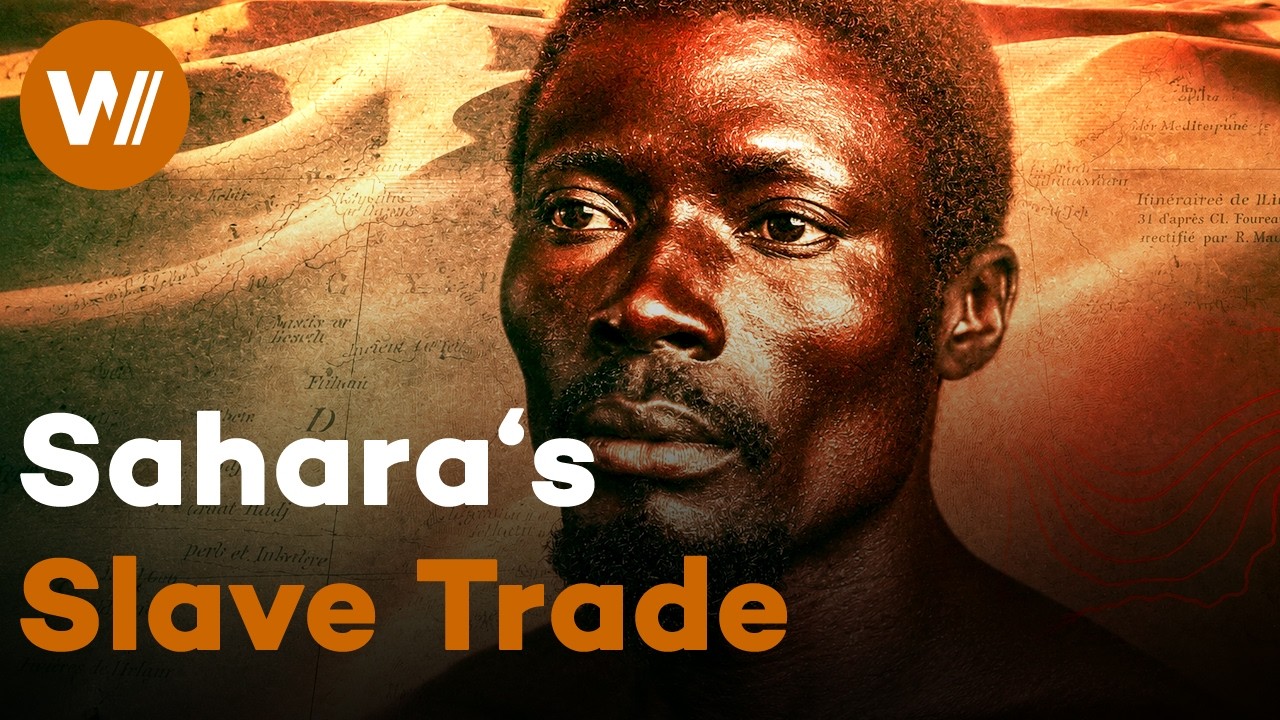
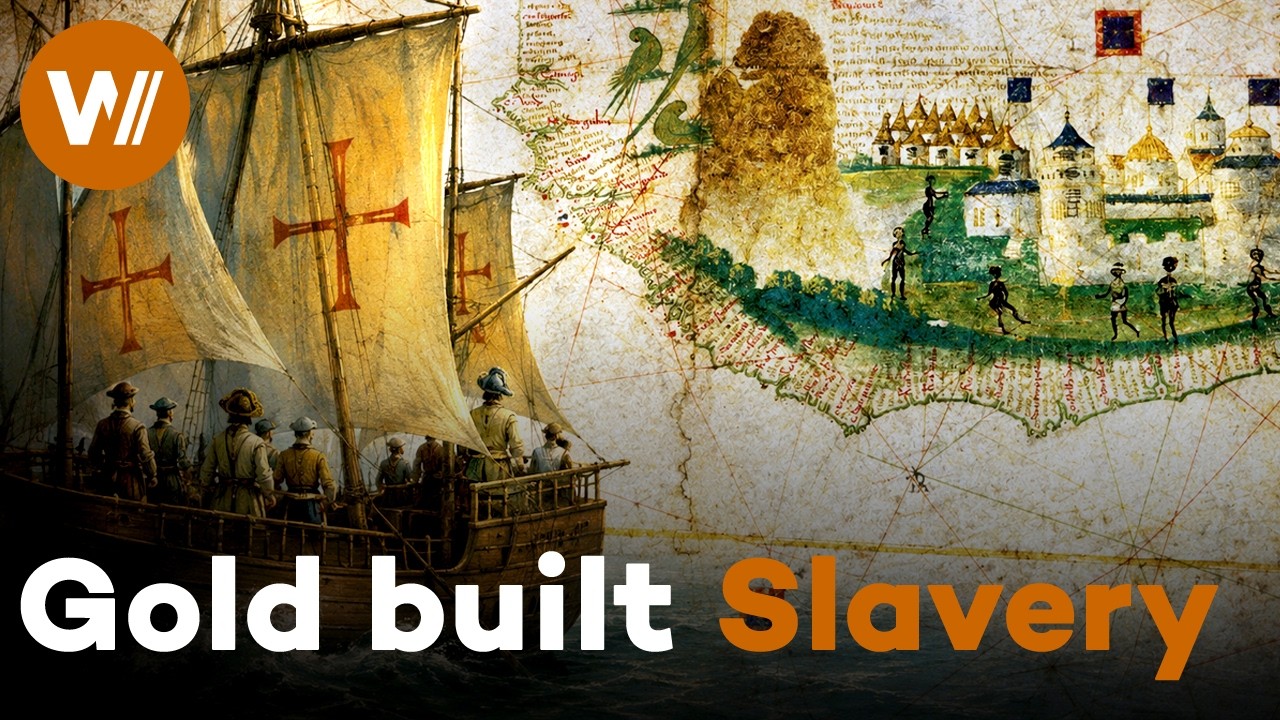

















Episode 4: How Slavery Survived After Abolition Of The TransAtlantic Slave Trade | Slavery Routes

The history of slavery did not end with abolition. By the late 18th century, revolts, abolitionist campaigns, and growing public outrage forced European powers to officially ban the transatlantic slave trade. But the demand for enslaved labor did not disappear.
Episode 4: The New Frontiers of Slavery explores how, between 1789 and 1888, slavery was pushed into new territories and transformed into new systems of exploitation. As London, Paris and Washington debated abolition, the Industrial Revolution increased Europe’s hunger for cotton, sugar, coffee, ivory, palm oil and other raw materials.
From the Haitian Revolution to the plantations of Brazil and the United States, from Rio de Janeiro to Zanzibar, from the American Civil War to the colonization of Africa, this final episode of Slavery Routes reveals how slavery survived abolition by changing form.
Even after the transatlantic trade was banned, illegal deportations exploded. In just 50 years, nearly 2.5 million Africans were forcibly transported across the Atlantic. Through archives, historical analysis, and powerful storytelling, this episode shows how the end of the slave trade opened a new chapter in the global history of exploitation, race, empire and resistance.
-------
Chapters
▷ 00:00 - Introduction: The New Frontiers of Slavery
▷ 01:37 - Rio de Janeiro: The World’s Largest Slave Port
▷ 03:35 - Fear of Slave Revolts Across the Colonial World
▷ 07:43 - Toussaint Louverture, the Haitian Revolution, and the Birth of Haiti
▷ 10:56 - Slavery Expands Across the Americas
▷ 14:31 - The Industrial Revolution and the Machinery of Slavery
▷ 18:10 - The United States: A New Center of Industrial Slavery
▷ 20:00 - Enslaved Families and the Economics of Human Bondage
▷ 22:00 - Zanzibar and the Expansion of New Slave Routes
▷ 24:50 - Swema: The Rare Testimony of an Enslaved Yao Girl
▷ 27:42 - Slavery, Morality, and the Hierarchy of Empires
▷ 29:00 - Slavery, Cotton, and the Road to the American Civil War
▷ 32:25 - After Emancipation: Freedom Without Equality
▷ 36:00 - Abolitionist Explorers and Europe’s Search for New Raw Materials
▷ 38:54 - Tippu Tip: Ivory, Slavery, and Power in East Africa
▷ 40:00 - Palm Oil, Colonial Expansion, and Forced Labor in Africa
▷ 42:34 - Military Violence and the Rise of European Imperial Domination
▷ 43:35 - Race Science and the Justification of Empire
▷ 46:00 - Brazil: One of the Last Countries to Abolish Slavery
▷ 50:16 - Epilogue: 20 Million Africans Deported Across Centuries
▷ 52:03 - Credits
#slaveryroutes #historydocumentary #abolition #slaveryhistory #atlanticslavetrade #africanhistory #blackhistory #haitianrevolution #brazilhistory #worldhistory #WocomoHISTORY
-------
Subscribe to the channel: https://goo.gl/4bVtZk
Follow us on Facebook: https://www.facebook.com/wocomo/
-------
Original title: Slavery Routes: 1789-1888: The New Frontiers of Slavery
Directed by: Daniel Cattier, Juan Gélas, Fanny Glissant
Produced by: Compagnie des Phares et Balises, ARTE France
In co-production with: Kwassa Films, RTBF Télévision Belge, Lx Filmes, RTP, INRAP
© 2018, licensed by Incognita Distribution
-------
Documentaries about politics, society and science produced by leading studios around the world. Our goal is to be a reliable source of high-quality information and investigative journalism for a better understanding of relationships, backgrounds and future developments.
Check out our other channels to watch high quality documentaries:
▷ wocomoHUMANITY: https://www.youtube.com/wocomoHUMANITY
▷ wocomoWILDLIFE: https://www.youtube.com/wocomoWILDLIFE
▷ wocomoHISTORY: https://www.youtube.com/wocomoHISTORY
▷ wocomoTRAVEL: https://www.youtube.com/wocomoTRAVEL
▷ wocomoCOOK: https://www.youtube.com/wocomoCOOK
Wocomo DOCS is part of the Wocomo channel network by NIKITA VENTURES. Wocomo - wonderful content in motion.

SORT BY-
Top Comments
-
Latest comments