
- General Videos
- Nnwom
- Sikas?m
- Akwahosan
- Travel & Events
- Abak?s?m
- Adwene mu Nhwehw?mu
- Honhom fam nne?ma
- Fim
- News & Politics
- Kmtyw Combat Sciences
- Ɔbenfo Ọbádélé Kambon Video ahorow
- ?benfo? Kamau Kambon: Black Liberation Philosophy
- Science, Tech, Engineering and Math
- Permaculture
- Self-Sustainability
- Living Off Grid
- Yoruba Language Learning
- Nhomasua
- Mmɔfra Adesua
- Nana Kamau Kambon Playlist
- Livestream
- Komplementarity Kouples and Revolutionary Singles
- Abibitumi Film Series
- Decade of Our Repatriation
- Live
OPEN D.O.O.R. • PROGRAMME PROMOTION
Come Home. Stay Home. Build Home.
Watch the President’s Special Envoy to the Caribbean’s promotional video.
Friday, 30 October 2026 · Cedi Conference Centre, University of Ghana, Legon
8 AM Presidential/Royal Panel · 12 noon Debate · 1:30 PM Plenaries (GMT)







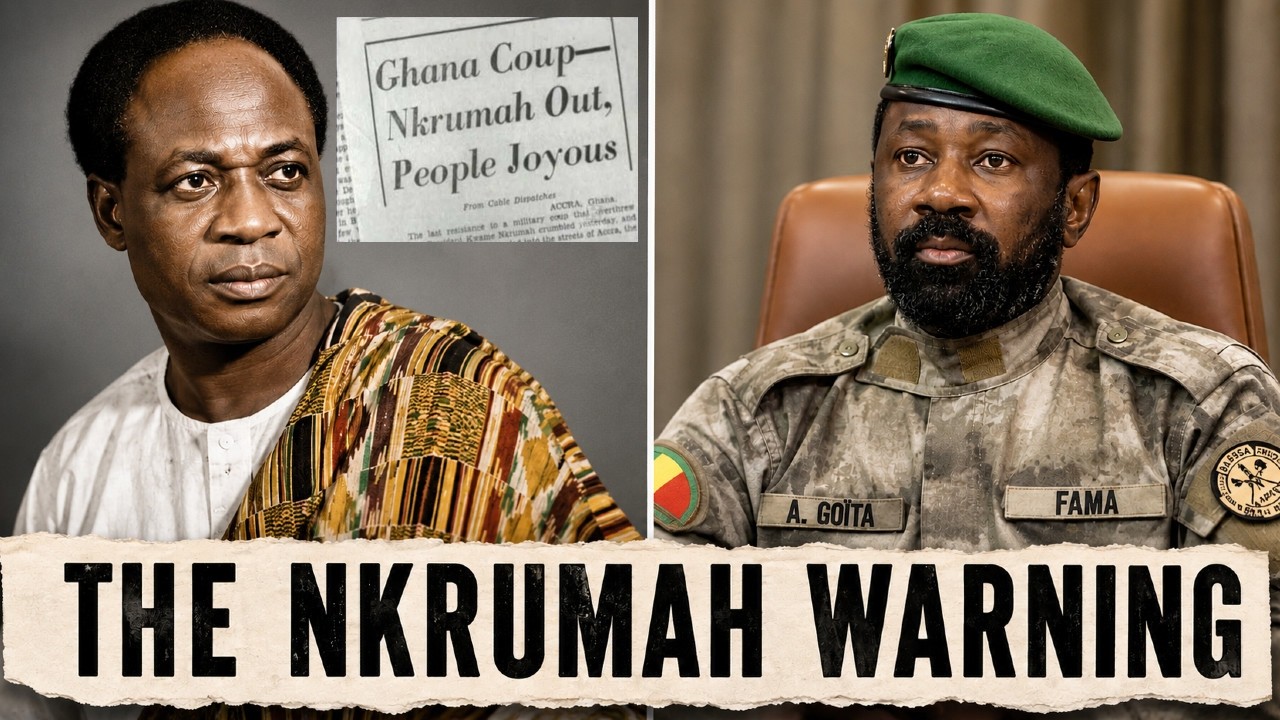


February 24, 1966: How Nkrumah Was Overthrown | Rare Footage of Ghana’s 1966 Coup

On 24 February 1966, Ghana's military and police launched a coup that removed President Kwame Nkrumah from power while he was on a diplomatic mission to Asia. The operation, known as "Operation Cold Chop," was carried out with little resistance and brought an end to Nkrumah's increasingly centralised one-party rule.The new regime, known as the National Liberation Council, suspended the constitution, dissolved parliament, and banned the ruling Convention People's Party. Nkrumah, who remained in exile, denounced the coup as an imperialist plot, while his opponents celebrated what they saw as the restoration of political freedom.ITN's Sandy Gall followed the coup on the ground. #coldwar #coup #ghana #kwamenkrumah #history #itnarchive #marxist To license the footage featured in this clip, follow the link below: https://www.gettyimages.com/search/2/film?family=editorial&phrase=X02036601*To search the ITN Archive collection on Getty Images, follow the link below:https://www.gettyimages.co.uk/footage/itn🎥 Subscribe to our YouTube channel (tap the bell icon and stay up to date with all the latest ITN Archive videos!) - https://www.youtube.com/@ITNArchive🎥 Follow us on Twitter - https://twitter.com/ITNArchive🎥 Like us on Facebook - https://www.facebook.com/ITNArchiveITNP🎥 Check out our TikTok - https://www.tiktok.com/@itnarchive1955

SORT BY-
Top Comments
-
Latest comments
2 abosome a atwam
https://abibitumitv.com/v/UFeTKj
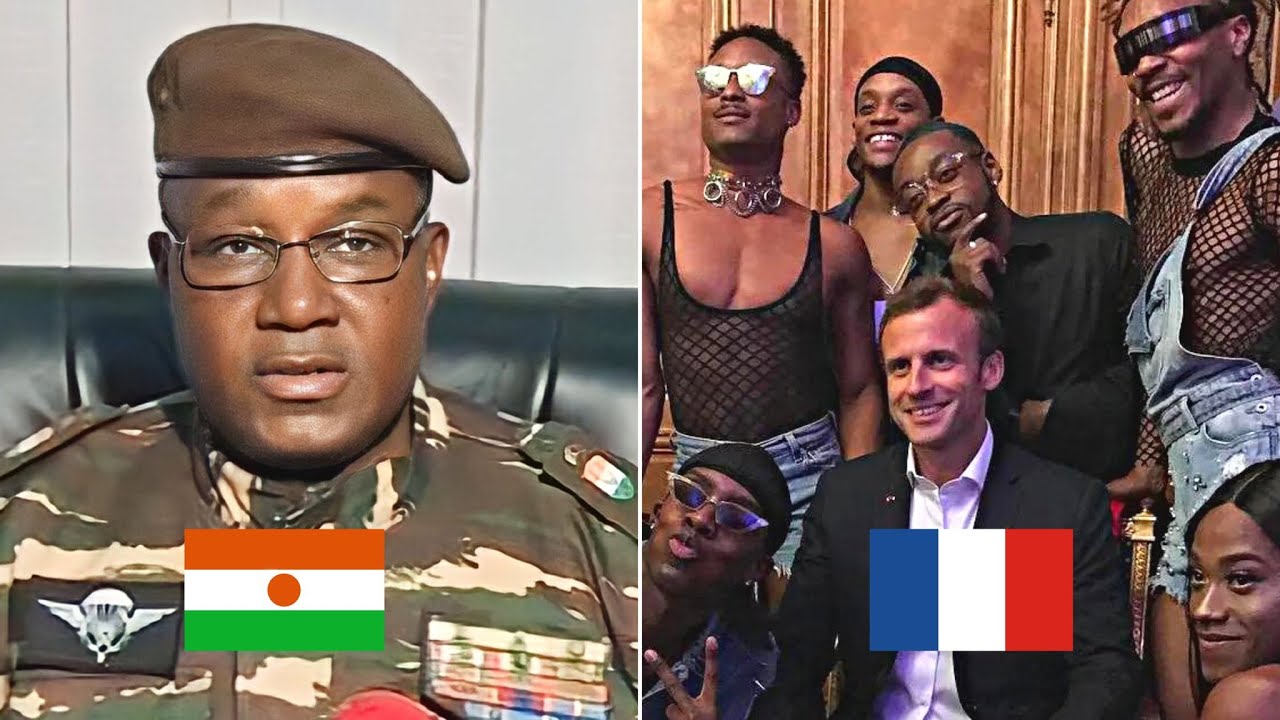
—The Alliance of Sahel States (AES) MUST LEARN from the Overthrow of Osagyefo Kwame Nkrumah.
2 abosome a atwam
Yes, the United States government and the British government was involved in the February 24, 1966, military coup that overthrew Ghana's first president, Kwame Nkrumah. While the physical coup (codenamed "Operation Cold Chop") was carried out by Ghanaian military and police officers while Nkrumah was on a visit to China, declassified U.S. and British documents and former intelligence officials have since confirmed significant American complicity.
Evidence of U.S. Involvement
CIA Operations: Former CIA intelligence officer John Stockwell revealed in his book, In Search of Enemies, that while an official executive order for the coup may not appear on paper, the CIA's Accra station was heavily backed and financed by headquarters to maintain "intimate contact" with the coup plotters. CIA operatives received unofficial credit within the agency for engineering the coup's success.
Declassified Documents: Declassified National Security Council (NSC), CIA, and State Department documents from the Lyndon B. Johnson administration outline coordinated efforts between the U.S., Britain, and France dating back to 1964 to induce an economic and political crisis that would lead to Nkrumah’s overthrow and downfall.
Official Recognition: Immediately following the coup, the U.S. government internal memos famously described Nkrumah's ouster as a "fortuitous windfall". The U.S. recognized the new military junta within three days and promptly supplied financial assistance that had been deliberately denied to Nkrumah.
Why the U.S. Targeted Nkrumah
Cold War Alignment: Nkrumah was an outspoken socialist and Pan-Africanist who built strong diplomatic and economic ties with the Soviet Union and China. The U.S. viewed this alignment as a threat to Western anti-communist containment policies in Africa.
Anti-Imperialist Stance: Nkrumah strongly opposed Western neo-colonialism and corporate capitalist expansion in Africa, which directly clashed with American and European economic interests on the continent.
Economic Sabotage: To weaken his regime, Western powers intentionally squeezed Ghana's economy by manipulating international cocoa prices and pressuring financial institutions like the International Monetary Fund (IMF) to reject Ghana’s requests for credit guarantees. This worsened the domestic inflation and food shortages that ultimately fueled local military dissatisfaction.
2 abosome a atwam
Yes, declassified U.S. government documents show that the United States, the CIA and British intelligence were involved in the 1966 overthrow of Ghanaian President Kwame Nkrumah.
The U.S. and British Role and Declassified Evidence
Advising and Support: Declassified State Department and CIA records reveal that U.S. intelligence officials maintained close contact with dissident Ghanaian army officers who were plotting the coup.
Providing Backing: While the military coup on February 24, 1966, was executed by local military and police leaders (such as Colonel Emmanuel Kwasi Kotoka), the CIA and British intelligence provided encouragement, advice, and operational support to the plotters.
Quick Recognition: The U.S. government quickly recognized the new opposition military government (the National Liberation Council) and quickly offered immediate financial assistance following Nkrumah's removal.
Motivations for U.S. InvolvementSocialist Policies: Nkrumah was a prominent Pan-Africanist and socialist who openly criticized Western imperialism and neo-colonialism on the African continent.
Cold War Dynamics: Washington grew increasingly alarmed as Nkrumah forged closer economic and political ties with the Soviet Union and China, as such Western nations and the IMF withheld vital loans and financial aid.
Strategic Alignment: U.S. officials viewed Nkrumah's non-aligned Cold War dynamic, yet left-leaning stance as a threat to Western capitalist and geopolitical interests in newly independent Africa.