- General Videos
- Music
- Economics
- Health
- Travel & Events
- History
- Psychology
- Spirituality
- Movies
- News & Politics
- Kmtyw Combat Sciences
- Ɔbenfo Ọbádélé Kambon Videos
- Ɔbenfoɔ Kamau Kambon: Black Liberation Philosophy
- Science, Tech, Engineering and Math
- Permaculture
- Self-Sustainability
- Living Off Grid
- Yoruba Language Learning
- Education
- Mmɔfra Adesua
- Nana Kamau Kambon Playlist
- Livestream
- Komplementarity Kouples and Revolutionary Singles
- Abibitumi Film Series
- Decade of Our Repatriation
- Kwento xpr
- Live
Latest videos
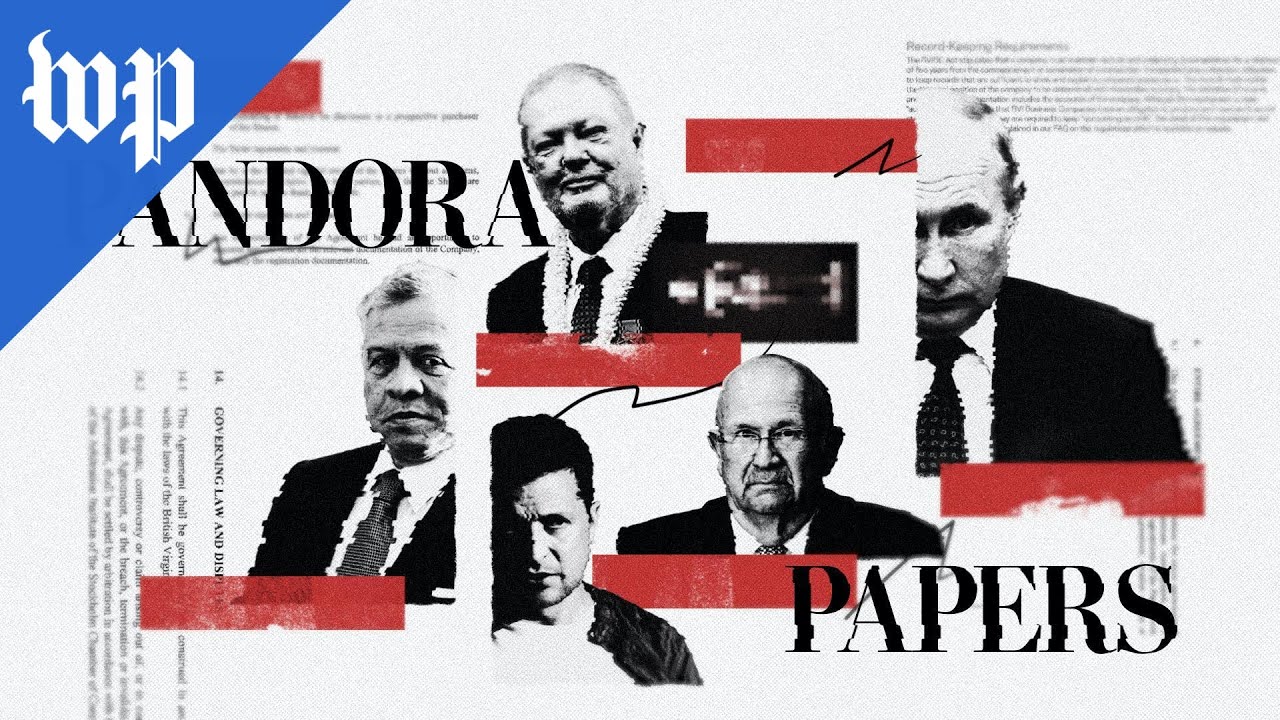

A massive trove of private financial records shared with The Washington Post exposes vast reaches of the secretive offshore system used to hide billions of dollars from tax authorities, creditors, criminal investigators and citizens around the world. Read more: https://wapo.st/3A0AVdi. Subscribe to The Washington Post on YouTube: https://wapo.st/2QOdcqK
Follow us:
Twitter: https://twitter.com/washingtonpost
Instagram: https://www.instagram.com/washingtonpost/
Facebook: https://www.facebook.com/washingtonpost/
#WashingtonPost #PostDocs #PandoraPapers

Hello everybody, it's 2nacheki, and welcome back to our channel. Here is your latest #AfricanNews:
Kenya suspends visa-free transit with Pakistan. France threatens that the International community will stop supporting Mali cause of the Russia deal. Ethiopia expels seven senior UN officials for 'meddling'. Nigerians await the Supreme Court's verdict over taxes. Uganda Pulls Out of Global Coffee Treaty. Somalia opens the first public oxygen plant to help treat COVID-19 amid a severe shortage. Competition authorities in Malawi fine mobile operator Airtel.
Thank you for watching!
Have you liked this video yet? This is the greatest thing you can do to support our channel. Also please subscribe and share this video with friends and family.
Buy our Official Merchandise here https://www.2nacheki.shop/
Visit our Links: https://linktr.ee/2nacheki
2nacheki pronounced tunacheki which means 'We Are Watching ' in Swahili slang. Our goal is to educate, inform & entertain you all about the real Africa while showing the World that Africa is Watching.
We create numerous videos every day on African topics like Africa Lists Africa News Africa Music Africa Dances Africa Speeches Africa Entertainment Africa History Africa Interviews Africa Documentaries Panafricanism Africapop-culture African culture African Politics and more
Please contact us for tips, content submission, Ads, Takedowns, Collabos, Complaints, Reporting, and Inquiries #Africa #Africanews #2nacheki


Here is Latest #Africanews
#Ivory Coast Ebola patient recovers, beginning the countdown to the end of the outbreak.
#Rwanda Afghan schoolgirls to be evacuated to Rwanda
#Seychelles tortoise that hunted bird stuns scientists
#Uganda First group of Afghan evacuees fleeing the Taliban takeover arrive in Uganda leaving some Ugandans behind
#Algeria Ends Diplomatic Ties With Morocco Citing 'Hostile Acts'.
#Libya Pollution plagues Libya beaches.
Afghan Refugees in Uganda Citizens Left, Algeria Ends Ties with Morocco, Ebola Patient Recovers https://youtu.be/e1f9dmCT4Jw #Africanews
Thank you for watching 2nacheki pronounced (tunacheki) it means 'We Are Watching ' in Swahili slang. Our goal is to educate & inform you about everything in Africa while showing the World that Africa is Watching.
~~-~~-~-
Our #Africanvideos covers; #AfricaContent #AfricaLists #AfricaNews #AfricaMusic #AfricaDance #AfricaSpeeches #AfricaEntertainment #AfricaHistory #AfricaInterviews #AfricaDocumentaries #Panafricanism #Africapop-culture #AfricanCulture #AfricanPolitics and more
~~-~~-~-
We now have Merchandise https://teespring.com/stores/2nacheki
~~-~~-~-
Membership: https://www.youtube.com/channe....l/UCG7uFJVZsxQRwDsso
Patreon: https://www.patreon.com/2nacheki
Website: http://2nacheki.tv/
-~-~~-~
Thanks for watching 2nacheki the biggest African channel on Youtube . All our videos are aimed at Educating, Informing, Reporting, Reviewing, Criticizing & Ranking everything African inorder to build a better Africa.
-~-~~-~
Email us 2nacheki@gmail.com for News Tips, Content submission, Ads, Submissions, Takedowns, Collabos and Inquiries
-~-~~-~~~-~~-~-
Thank you for watching!
Have you liked this video yet? This is the greatest thing you can do to support our channel. Also please subscribe and share this video with friends and family.
2nacheki pronounced tunacheki which means 'We Are Watching ' in Swahili slang. Our goal is to educate, inform & entertain you all about the real Africa while showing the World that Africa is Watching.
We create numerous videos every day on African topics like Africa Lists Africa News Africa Music Africa Dances Africa Speeches Africa Entertainment Africa History Africa Interviews Africa Documentaries Panafricanism Africapop-culture African culture African Politics and more
Buy our Official Merchandise here https://www.2nacheki.shop/
Visit our Links: https://linktr.ee/2nacheki
Please contact us for tips, content submission, Ads, Takedowns, Collabos, Complaints, Reporting, and Inquiries
#Africa #Africanews #2nacheki
-~-~~-~~~-~~-~-

Welcome back to the 2nacheki channel. Here is your latest #AfricanNews:
Tunisia's president appoints the first woman as head of government.
South Sudan says 40 Afghan refugees are in the country illegally.
Malawi Court Hands Lengthy Prison Term to Chinese Wildlife Trafficker.
Nana Ampadu: Ghana highlife legend die at age 76.
Negligence' by WHO staff to blame for sexual abuse in DRC: commission.
Thank you for watching!
Have you liked this video yet? This is the greatest thing you can do to support our channel. Also please subscribe and share this video with friends and family.
Buy our Official Merchandise here https://www.2nacheki.shop/
Visit our Links: https://linktr.ee/2nacheki
2nacheki pronounced tunacheki which means 'We Are Watching ' in Swahili slang. Our goal is to educate, inform & entertain you all about the real Africa while showing the World that Africa is Watching.
We create numerous videos every day on African topics like Africa Lists Africa News Africa Music Africa Dances Africa Speeches Africa Entertainment Africa History Africa Interviews Africa Documentaries Panafricanism Africapop-culture African culture African Politics and more
Please contact us for tips, content submission, Ads, Takedowns, Collabos, Complaints, Reporting, and Inquiries #Africa #Africanews #2nacheki

Welcome back to the 2nacheki and Candid Africa! Here is some Africa news!
In today's speech, we feature One of Africa's founding fathers Julius Nyerere who talks on how globalization is just another trick to exploit Africa.
Thank you for watching!
Have you liked this video yet? This is the greatest thing you can do to support our channel. Also please subscribe and share this video with friends and family.
Buy our Official Merchandise here https://www.2nacheki.shop/
Visit our Links: https://linktr.ee/2nacheki
2nacheki pronounced tunacheki which means 'We Are Watching ' in Swahili slang. Our goal is to educate, inform & entertain you all about the real Africa while showing the World that Africa is Watching.
We create numerous videos every day on African topics like Africa Lists Africa News Africa Music Africa Dances Africa Speeches Africa Entertainment Africa History Africa Interviews Africa Documentaries Panafricanism Africapop-culture African culture African Politics and more
Please contact us for tips, content submission, Ads, Takedowns, Collabos, Complaints, Reporting, and Inquiries #Africa #Africanews #2nacheki

Welcome back to the 2nacheki channel. Here is your latest #AfricanNews:
Britain's non-recognition of Africa-administered vaccines regrettable - AU.
Kenya government dampens speculation about Asian visitors.
Algeria to start producing Sinovac Covid jabs.
France slashes visas for Algeria, Morocco, Tunisia in migrant row.
Nigerian airstrike kills civilians near Lake Chad.
Uganda opposition stage walk-out over detained MPs.
Ethiopia to close embassies in Egypt, over financial strain.
Thank you for watching!
Have you liked this video yet? This is the greatest thing you can do to support our channel. Also please subscribe and share this video with friends and family.
Buy our Official Merchandise here https://www.2nacheki.shop/
Visit our Links: https://linktr.ee/2nacheki
2nacheki pronounced tunacheki which means 'We Are Watching ' in Swahili slang. Our goal is to educate, inform & entertain you all about the real Africa while showing the World that Africa is Watching.
We create numerous videos every day on African topics like Africa Lists Africa News Africa Music Africa Dances Africa Speeches Africa Entertainment Africa History Africa Interviews Africa Documentaries Panafricanism Africapop-culture African culture African Politics and more
Please contact us for tips, content submission, Ads, Takedowns, Collabos, Complaints, Reporting, and Inquiries #Africa #Africanews #2nacheki