







- General Videos
- Music
- Economics
- Health
- Travel & Events
- History
- Psychology
- Spirituality
- Movies
- News & Politics
- Kmtyw Combat Sciences
- Ɔbenfo Ọbádélé Kambon Videos
- Ɔbenfoɔ Kamau Kambon: Black Liberation Philosophy
- Science, Tech, Engineering and Math
- Permaculture
- Self-Sustainability
- Living Off Grid
- Yoruba Language Learning
- Education
- Mmɔfra Adesua
- Nana Kamau Kambon Playlist
- Livestream
- Komplementarity Kouples and Revolutionary Singles
- Abibitumi Film Series
- Decade of Our Repatriation
- Kwento xpr
- Live
Top videos


17 Aug 2023 #mzansimagic #dstv #shaka
welcome to the official YouTube channel for Shaka Ilembe Soundtrack! 🎶 Immerse yourself in the captivating world of our show with the incredible "Music from and Inspired by Shaka Ilembe" Tv Series. 🔥
Track Title: Nandi's Theme (Njomane)
Artists: Mbuso Khoza, Anne Masina, Phillip Miller, Ludvig Gawell & Hamilton Eklöf
Composer(s): Phillip Miller, Ludvig Gawell & Hamilton Eklöf
Author(s): Mbuso Khoza
Contact: muthalandpr@gmail.com
#shakailembe #shaka #soundtrack #mzansi #mzansimagic #music #lyrics #lyricvideo #muthalandentertainment #bombproduction #dstv
Shorts remixing this video
Super Goal.. #manzanalo #nolimitsmzans #abagxavuli @NeymarJrReal @KylianMbappe
224 views
a full body work with Gogo LuZwide..like & Subscribe. *
72 views
Njomane
5 views
Shaka iLembe Music
4.33K subscribers




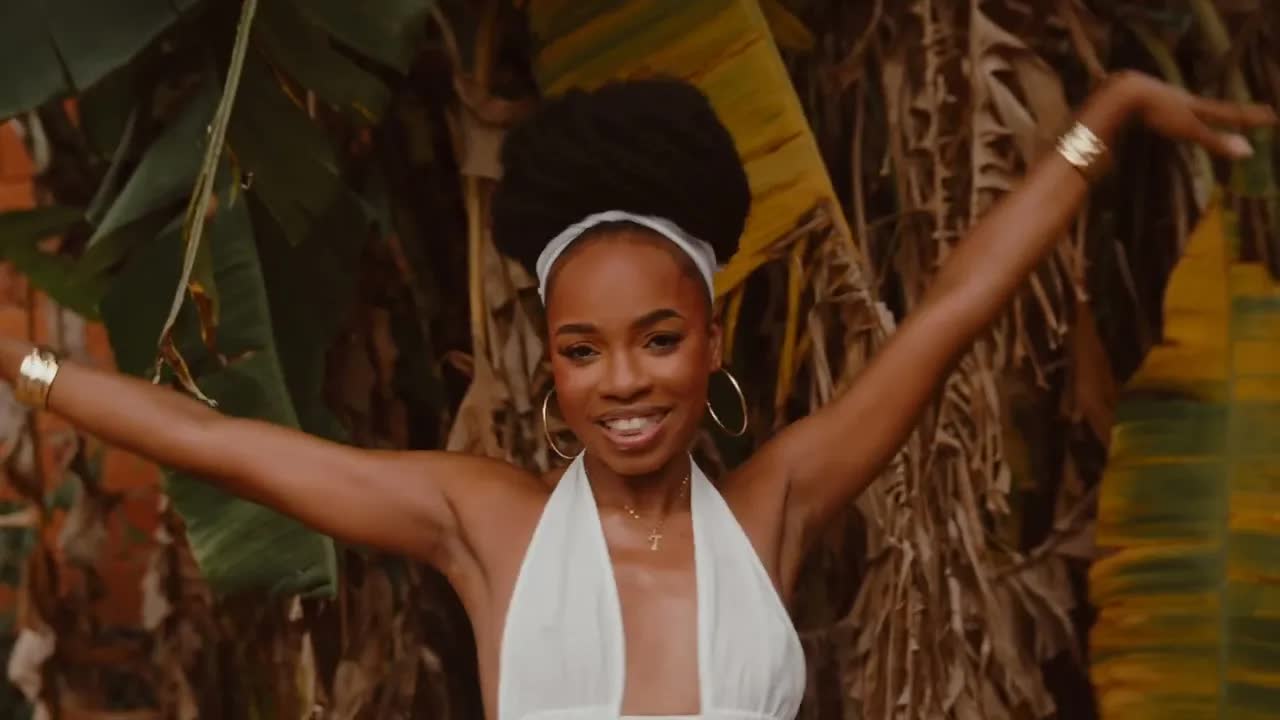

Tish Official x Don Iko - Nothing Better
🔔 http://Julianspromos.com
🎵 Subscribe for the latest Soca Music: https://ffm.link/soca
TISH OFFICIAL x DON IKO – NOTHING BETTER
Produced by: Don Iko
Written By: Tishanna Stoute
Drums: Kayode Charles
Bass: Michael Jagdeo
Guitars: Kwami Morrison
Background Vocals: Tishanna Stoute, Micheal Jagdeo & Erikkson George
Mixed By: Don Iko George
Mastered by: NMG Music
MUSIC VIDEO CREDITS
Directed By: Annalise Seepaul
Shot By: Hamid XDA
Edited By: One Eyed Perspective
👍 Enjoyed the music? Like, Comment & Share to support Caribbean artists and help spread the vibes worldwide.
─
Channel Label: Julianspromos Wordwide
📧 Email: Julianspromos@gmail.com
📱 WhatsApp/Call: +1 (917) 767-6284
🌐 Website: https://julianspromos.com
🎧Streaming Playlists: https://ffm.to/islandessentials
📬 Join Our Mailing List: https://ffm.link/join
─
▶ Content Usage Notice: This content is featured at the request of our clients, and with permission from the respective content owner(s). Channel Powered by ONErpm + Julianspromos LLC.
▶ Content Disclaimer: Julianspromos does not monetize this content. Any monetization is administered by the respective rights holder(s) and/or their authorized distribution partners.
#juianspromos #soca #socamusic #caribbeanmusic


Produced By Travis World
Buy/Stream Album https://music.apple.com/us/alb....um/stink-waist-riddi
Download Promo Mix https://bit.ly/4410rkn
(((█▬█ █ ▀█▀ subscribe, █▬█ █ ▀█▀ like & comment))))
Subscribe To My New Channel for Upcoming Livestreams https://www.youtube.com/channe....l/UC0rwp-GmnH-2HOdtW
All Featured Content Is Monetized By The Respective Copyright Owners & Record Labels.
All Mixes,Mixtapes is only for Promotional Use Only
For All your Latest In Bouyon And Soca Music : https://djeasypromomusic.com
Don't forget to Subscribe to DjeasyPromos and turn on notifications Bell 🔔 to stay updated with all new and Future uploads
SUPPORT THE CHANNEL (DONATION)
►PayPal : https://www.paypal.me/Djeasy
Subscribe To My Channel http://bit.ly/2tsJVGW
https://www.youtube.com/user/zjeasy - check out my other channel
https://www.instagram.com/djeasyy/ - Follow Me On Instagram
https://twitter.com/djeasyy - follow me on twitter
https://www.facebook.com/DJEASYY - join me on Facebook
https://soundcloud.com/djeasyyy - check soundcloud for your downloaded mixes
EMAIL : dj.easyy@gmail.com
Email : djeasypromos@gmail.com
CONTACT ME 📞+330782184146
__________________________________
PLAYLIST
Bunji Garlin - Yeezy Bro
Skinny Fabulous - Can U Bend
Nailah Blackman - Pon It
Lyrikal - Stink Waist
Problem Child - Looking Good
Sekon Sta - Hide & Seek


"2AM in Venezuela" (OFFICIAL VIDEO): https://youtu.be/GtvkwgbVKF8
BLACK WINTER (Full Album): https://youtube.com/playlist?list=PLJSMFuicKjJ46p1K9TlqZPRGFSd0M5z9U&si=4WG_YXCGJinM6XEN
Join the Patreon for exclusive videos that you won't find on Youtube: https://www.patreon.com/NTD1814
S U P P O R T
Cash App - $NelsonAmadeus
PayPal- GlobalHitsWorld@gmail.com
EMAIL - KingNeferkare@gmail.com
Twitter @NTDessalines
Instagram @NelsonAmadeus
TURN ON POST NOTIFICATIONS.


Want to deepen your Igbo learning? Join our Private Igbo Learner's Community: https://members.learnigbonow.com/
FREE Printable Igbo Flashcards with Audio Support: https://www.learnigbonow.com/
Check out My Igbo Books on Amazon: https://www.amzn.to/45Kwns0
Free Talking Igbo Dictionary: https://www.youtube.com/@talkingigbodictionary
Request Videos Here: https://forms.gle/3HUZhfWq4ahjfdpE8
🍿 WATCH NEXT:
Learn the Igbo alphabet and pronunciation - https://www.youtube.com/watch?v=V_iU75KSdOc
67 Igbo Phrases for Beginners - https://www.youtube.com/watch?v=Hh8Nt-SG9VU
Learn Colours in Igbo language - https://www.youtube.com/watch?v=K969kj5LAhk&t=25s
How to introduce yourself (& others) in Igbo Language - https://www.youtube.com/watch?v=8q7mPYuCvLE&t=242s
WHO AM I?
If we haven't met before- Ndeewo (Hello)! I'm Yvonne, a University lecturer-turned-Cultural Consultant and Educational Content Creator. Discover more about Igbo, Black, and African cultural heritage through my videos on this channel and my Learn Igbo Now community.
#igbolanguage #igboforbeginners #yvonnembanefo This video will teach you 31 Simple Igbo Phrases about Giving Orders, Directions & Instructions.
------------------------------------------
❤ Please, support my channel & work in one (or more😊) of these ways:
😊 subscribe to my channel: ► https://www.youtube.com/c/lear....nigbo?sub_confirmati
💟 Buy me a coffee ► https://www.buymeacoffee.com/learnigbo
💟 Patreon ► https://www.patreon.com/learnigbo
------------------------------------------
READY TO TAKE YOUR IGBO TO THE NEXT LEVEL?
Visit ► https://learnigbonow.com to see what Igbo learning materials are available.
Private Membership for Adult and Children ► https://www.members.learnigbonow.com/
Illustrated Igbo Dictionary for Children on Amazon ► https://amzn.to/3HpHBpv
Igbo /English Storybook on Amazon - Gini ka osa na-eme ► https://amzn.to/3HpHBpv
Igbo / Engish Storybook on Amazon - Osita Osinri ► https://amzn.to/3EIdQOM
----------------------------------------
SHOP LEARN IGBO NOW (IGBO SWAG) MERCHANDISE
Merch ► https://www.igboswag.com
-----------------------------------------
GET SOCIAL WITH LEARN IGBO NOW
Instagram ► https://www.instagram.com/learnigbonow/
Facebook ► https://www.facebook.com/Learnigbonow/
YouTube Community ► https://www.youtube.com/learnigbo
Twitter ► https://twitter.com/learnigbonow
Newsletter with Subscriber Freebies ► https://www.learnigbonow.com/Igbotic-Newsletter
-----------------------------------------
MORE ABOUT LEARN IGBO CHANNEL & LEARN IGBO NOW
Learn Igbo with Yvonne Mbanefo: Igbo language, Igbo history,
Igbo Culture lessons that help people of Igbo descent reconnect with their roots.
What You can expect from this channel: hacks, tips and tricks to help on your journey to speaking Igbo
fluently and answer your questions about Igbo people.
#igbolanguage #igbophrases #yvonnembanefo
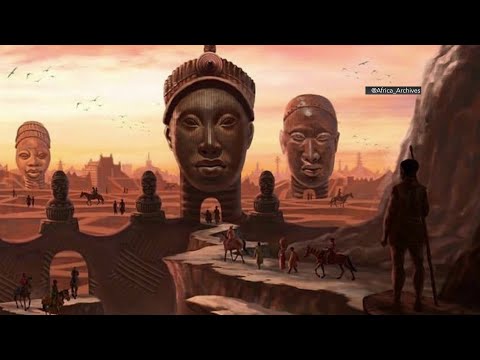

News Central travels to ancient Oyo town to understand and share the almost forgotten history.
.......................................
Don't forget to subscribe to our channel: https://bit.ly/2J1dFFf
Watch more amazing videos about #Africa: https://bit.ly/2J1
Watch News Central TV live: https://www.youtube.com/embed/....live_stream?channel=
Get social with News Central TV:
Twitter: https://twitter.com/NewsCentralTV
Instagram: https://www.instagram.com/newscentraltv/
Read more news on our website: https://www.newscentral.africa/