



Top videos

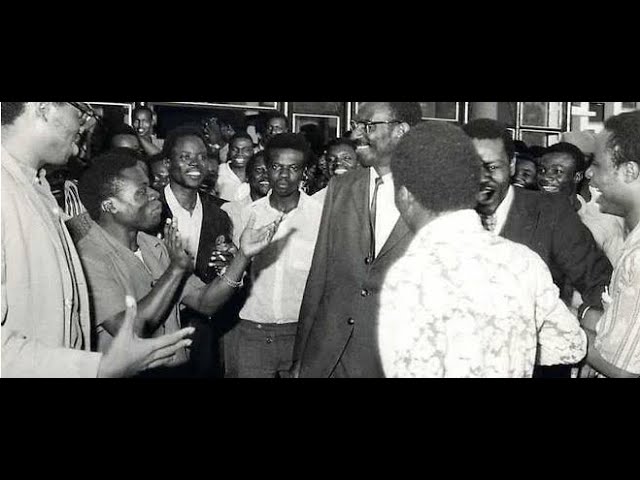
Dr. Martin Luther King, Jr. - Remaining Awake Through a Great Revolution (1959)
Dr. Martin Luther King, Jr. - Remaining Awake Through a Great Revolution (1959) Ambakisye-Okang Dukuzumurenyi 23 Views • 5 years ago

In a 22 December 1958 letter, Morehouse president Benjamin Mays invited King to address the graduating class of 1959; King accepted six days later. In these prepared remarks—his earliest known usage of this title—King invokes his common themes of anticolonialism and black self-respect.1 He places the domestic “social revolution" in a global context and urges the graduates of his alma mater to rise above the limits of “individualistic concerns,” submitting that all people are “caught up in an inescapable network of mutuality.”

News coverage of the speech indicates that King modified this handwritten text at several points. He advised his audience to adhere to nonviolence, for the "oppressors would be happy if black Americans “would resort to physical violence” and reminded them of progress already made: “We’ve broken loose from the Egypt of slavery . . . and we stand on the border of the promised land in integration.”2 King reportedly closed with a warning against inaction: “If you go home, sit down and do nothing about the revolution which we are witnessing you will be the victim of a dangerous optimism.”3

There can be no gainsaying of the fact that we are experiencing today one of the greatest revolutions that the world has ever known. Indeed there have been other revolutions, but they have been local and isolated. The distinctive feature of the present revolution is that it is worldwide. It is shaking the foundations of the east and the west. It has engulfed every continent of the world. You can hear its deep rumblings from the lowest village street to the highest intellectual ivory tower. Every segment of society is being swept into its mainstream. The great challenge facing every member of this graduating class is to remain awake, alert and creative through this great revolution.

Shared for historical purposes. I do not own the rights.

#####
Reelblack's mission is to educate, elevate, entertain, enlighten, and empower through Black film. If there is content shared on this platform that you feel infringes on your intellectual property, please email me at Reelblack@mail.com and info@reelblack.com with details and it will be promptly removed.

A Forest Garden With 500 Edible Plants Could Lead to a Sustainable Future | Short Film Showcase
A Forest Garden With 500 Edible Plants Could Lead to a Sustainable Future | Short Film Showcase Ambakisye-Okang Dukuzumurenyi 34 Views • 5 years ago

Instead of neat rows of monoculture, forest gardens combine fruit and nut trees, shrubs, herbs, vines and perennial vegetables together in one seemingly wild setting. This type of agroforestry mimics natural ecosystems and uses the space available in a sustainable way. UK-based Martin Crawford is one of the pioneers of forest gardening. Starting out with a flat field in 1994, his land has been transformed into a woodland and serves as an educational resource for others interested in forest gardening. This short film by Thomas Regnault focuses on Crawford's forest garden, which is abundant, diverse, edible, and might be one answer to the future of food systems.
➡ Subscribe:
http://bit.ly/NatGeoSubscribe
➡ Get More Short Film Showcase: http://bit.ly/ShortFilmShowcase

#NationalGeographic #ForestGarden #ShortFilmShowcase

About Short Film Showcase:
The Short Film Showcase spotlights exceptional short videos created by filmmakers from around the web and selected by National Geographic editors. We look for work that affirms National Geographic's belief in the power of science, exploration, and storytelling to change the world. The filmmakers created the content presented, and the opinions expressed are their own, not those of National Geographic Partners.

See more from National Geographic's Short Film Showcase at http://documentary.com

Get More National Geographic:
Official Site: http://bit.ly/NatGeoOfficialSite
Facebook: http://bit.ly/FBNatGeo
Twitter: http://bit.ly/NatGeoTwitter
Instagram: http://bit.ly/NatGeoInsta

Follow Thomas Regnault
https://www.thomasregnault.com
https://www.instagram.com/dewtownmayor/

About National Geographic:
National Geographic is the world's premium destination for science, exploration, and adventure. Through their world-class scientists, photographers, journalists, and filmmakers, Nat Geo gets you closer to the stories that matter and past the edge of what's possible.

A Forest Garden With 500 Edible Plants Could Lead to a Sustainable Future | Short Film Showcase
https://youtu.be/Q_m_0UPOzuI

National Geographic
https://www.youtube.com/natgeo

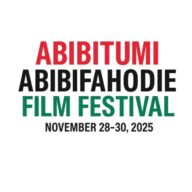
AFRICAN STORIES WITHOUT BORDERS! BUILD-UP TO THE 2026 ABIBITUMI ABIBIFAHODIE FILM FESTIVAL
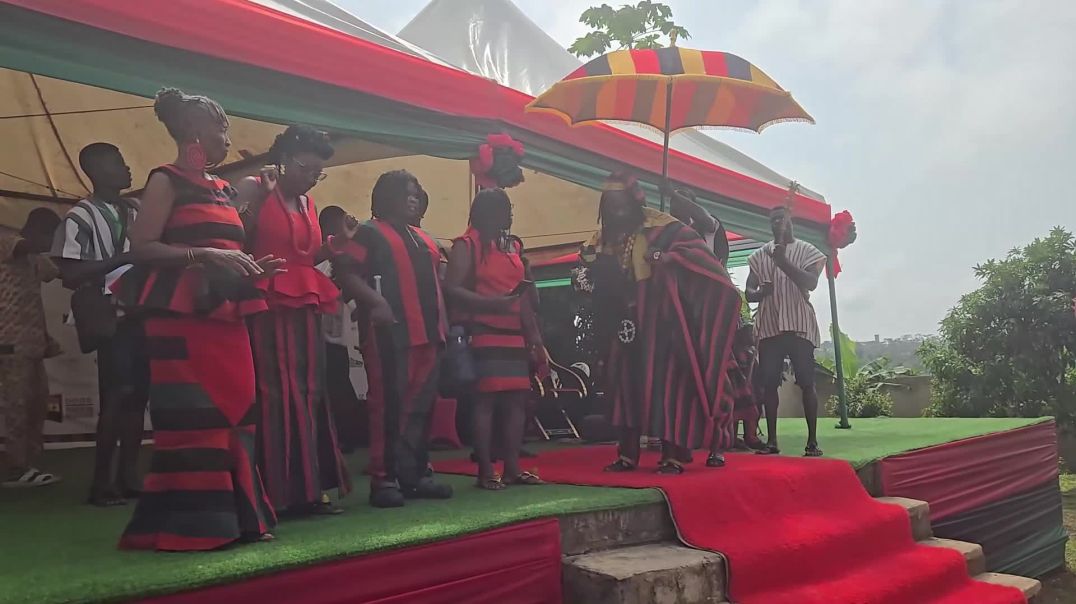
AFRICAN STORIES WITHOUT BORDERS! BUILD-UP TO THE 2026 ABIBITUMI ABIBIFAHODIE FILM FESTIVAL Ọnuọra Abụah 35 Views • 2 months ago

African storytelling is taking center stage once again — not just as entertainment, but as a powerful tool for identity, history, liberation, and global cultural connection.

On this edition of the Morning Show Conversation Segment, Afia TV spotlights the build-up to the 2026 Abibitumi Abibifahodie Film Festival, an international platform dedicated to celebrating authentic African stories, Black identity, cultural memory, and diaspora connection through film and creative expression.

Joining the conversation is Ọnụọra Abuah, Director of the Abibitumi Film Festival & Conference, as we explore the vision behind one of the most culturally significant African-centered film gatherings bringing together filmmakers, storytellers, scholars, creatives, and audiences from across the continent and the global African diaspora.

Organized by Abibitumi and the Decade of Our Repatriation (DOOR) initiative, the festival is more than a showcase of films — it is a movement rooted in reclaiming African narratives and strengthening connections between Africans on the continent and descendants of Africa across the world.

At a time when global media spaces are increasingly questioning representation, ownership of narratives, and cultural authenticity, the Abibitumi Abibifahodie Film Festival seeks to create a platform where African stories are told by Africans, for Africans, and with the fullness of African identity intact.This conversation examines the growing influence of African cinema, the importance of preserving indigenous stories, and the role film can play in reconnecting communities separated by history, migration, and the transatlantic slave trade.
What kinds of stories are shaping the 2026 edition?How is African cinema evolving beyond stereotypes and survival narratives?And why are festivals like this becoming increasingly important in the global cultural conversation?From heritage and spirituality to resistance, identity, language, migration, and liberation, the festival promises to spotlight films that challenge dominant narratives while celebrating the richness and complexity of African experiences.


As Nollywood, independent African cinema, and diaspora storytelling continue gaining international recognition, platforms like Abibitumi are helping redefine what global African storytelling can look like — bold, rooted, unapologetic, and deeply connected to history.This is more than film.It is memory, identity, culture, and connection projected onto the screen.
#abibitumifilmfestival


#africanstorytelling #africancinema #diasporaconnection #abibifahodie #nollywood #afiatv #blackculture #africanfilmfestival #door #panafricanism #filmandculture #creativeafrica #globalafrica #africanidentity

The Nuts and Bolts of Better Brains: Harnessing the Power of Neuroplasticity | 2019
The Nuts and Bolts of Better Brains: Harnessing the Power of Neuroplasticity | 2019 Ambakisye-Okang Dukuzumurenyi 37 Views • 5 years ago

What if your brain at 77 were as plastic as it was at 7? What if you could learn Mandarin with the ease of a toddler or play Rachmaninoff without breaking a sweat? A growing understanding of neuroplasticity suggests these fantasies could one day become reality. Neuroplasticity may also be the key to solving diseases like Alzheimer’s, depression, and autism. In this program, leading neuroscientists discuss their most recent findings and both the tantalizing possibilities and pitfalls for our future cognitive selves.

PARTICIPANTS: Alvaro Pascual-Leone, Nim Tottenham, Carla Shatz

MODERATOR: Guy McKhann

MORE INFO ABOUT THE PROGRAM AND PARTICIPANTS:
https://www.worldsciencefestiv....al.com/programs/nuts

This program is part of the BIG IDEAS SERIES, made possible with support from the JOHN TEMPLETON FOUNDATION.

- SUBSCRIBE to our YouTube Channel and "ring the bell" for all the latest videos from WSF
- VISIT our Website: http://www.worldsciencefestival.com
- LIKE us on Facebook: https://www.facebook.com/worldsciencefestival
- FOLLOW us on Twitter: https://twitter.com/WorldSciFest

TOPICS:
- Opening film 00:00
- What is neuroplasticity? 03:53
- Participant introductions 04:21
- Structure of the brain 05:21
- Is the brain fundamentally unwired at the start? 07:02
- Why does the process of human brain development seem inefficient? 08:30
- Balancing stability and plasticity 10:43
- Critical periods of brain development 13:01
- Extended human childhood development compared to other animals 14:54
- Stability and. plasticity in the visual system 17:37
- Reopening the visual system 25:13
- Pros and cons of brain plasticity vs. stability 27:28
- Plasticity in the autistic brain 29:55
- What is Transcranial magnetic stimulation (TMS) 31:25
- Phases of emotional development 33:10
- Schizophrenia and plasticity 37:40
- Recovery from brain injury 40:24
- Modern rehabilitation techniques 47:21
- Holy grail of Neuroscience 50:12
- Enhancing memory performance as we age 53:37
- Regulating emotions 57:19

PROGRAM CREDITS:
- Produced by Nils Kongshaug
- Associate Produced by Christine Driscoll
- Opening film written / produced by Vin Liota
- Music provided by APM
- Additional images and footage provided by: Getty Images, Shutterstock, Videoblocks

This program was recorded live at the 2018 World Science Festival and has been edited and condensed for YouTube.

Showing 5 out of 61