
- General Videos
- Music
- Economics
- Health
- Travel & Events
- History
- Psychology
- Spirituality
- Movies
- News & Politics
- Kmtyw Combat Sciences
- Ɔbenfo Ọbádélé Kambon Videos
- Ɔbenfoɔ Kamau Kambon: Black Liberation Philosophy
- Science, Tech, Engineering and Math
- Permaculture
- Self-Sustainability
- Living Off Grid
- Yoruba Language Learning
- Education
- Mmɔfra Adesua
- Nana Kamau Kambon Playlist
- Livestream
- Komplementarity Kouples and Revolutionary Singles
- Abibitumi Film Series
- Decade of Our Repatriation
- Kwento xpr
- Live
OPEN D.O.O.R. • PROGRAMME PROMOTION
Come Home. Stay Home. Build Home.
Watch the President’s Special Envoy to the Caribbean’s promotional video.
Friday, 30 October 2026 · Cedi Conference Centre, University of Ghana, Legon
8 AM Presidential/Royal Panel · 12 noon Debate · 1:30 PM Plenaries (GMT)
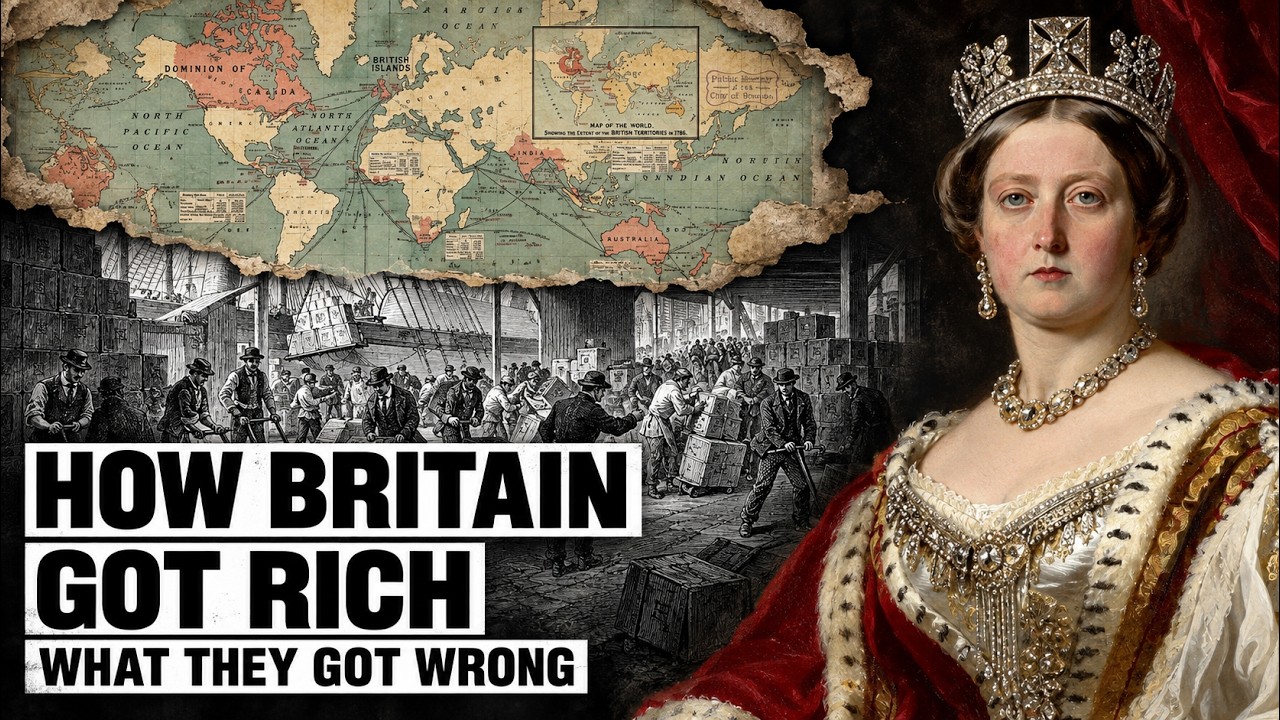






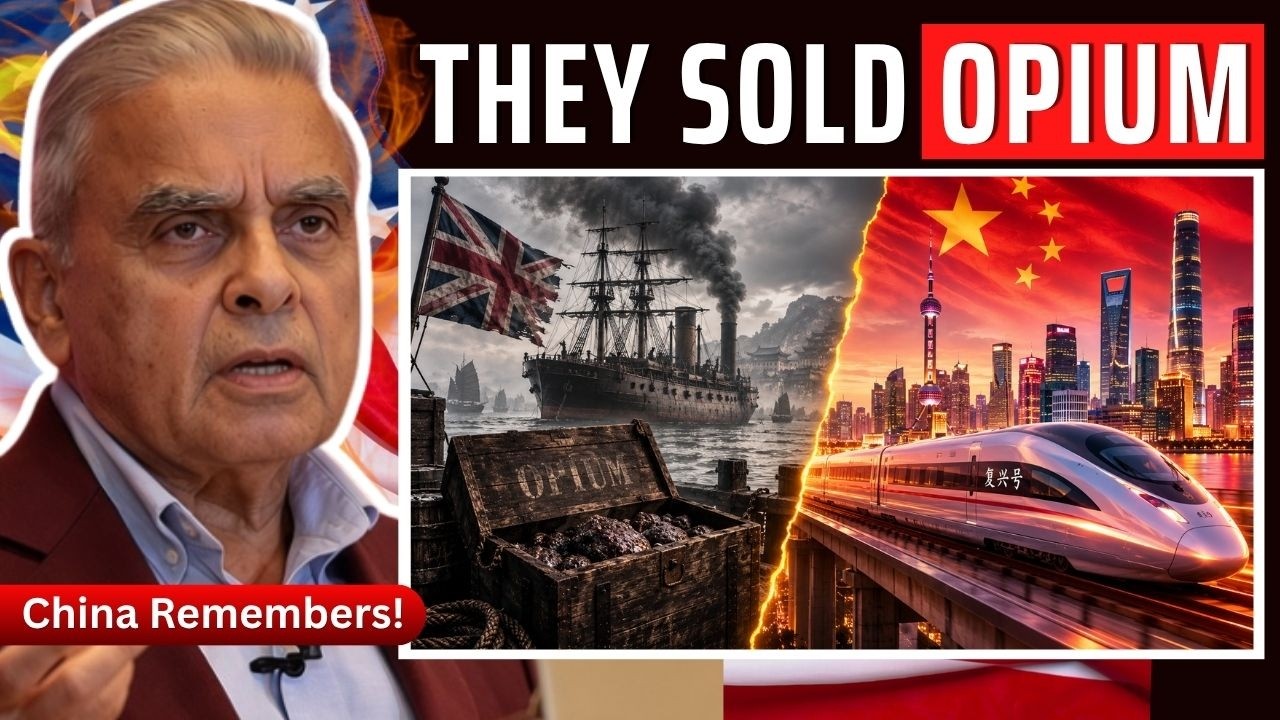



Britain Forced India To Grow Its Illegal Drug Empire It Sold to China —And Then Taxed Both Ends

The British Empire ran the largest drug operation in human history — and it wasn't hidden. It was policy.
For nearly two centuries, Britain forced Indian farmers to grow opium poppies on some of the most fertile land in South Asia, processed the harvest in government-run factories, and shipped it to China — where millions became hopelessly addicted. When China tried to stop the flow of drugs into its own country, Britain declared war. Twice.
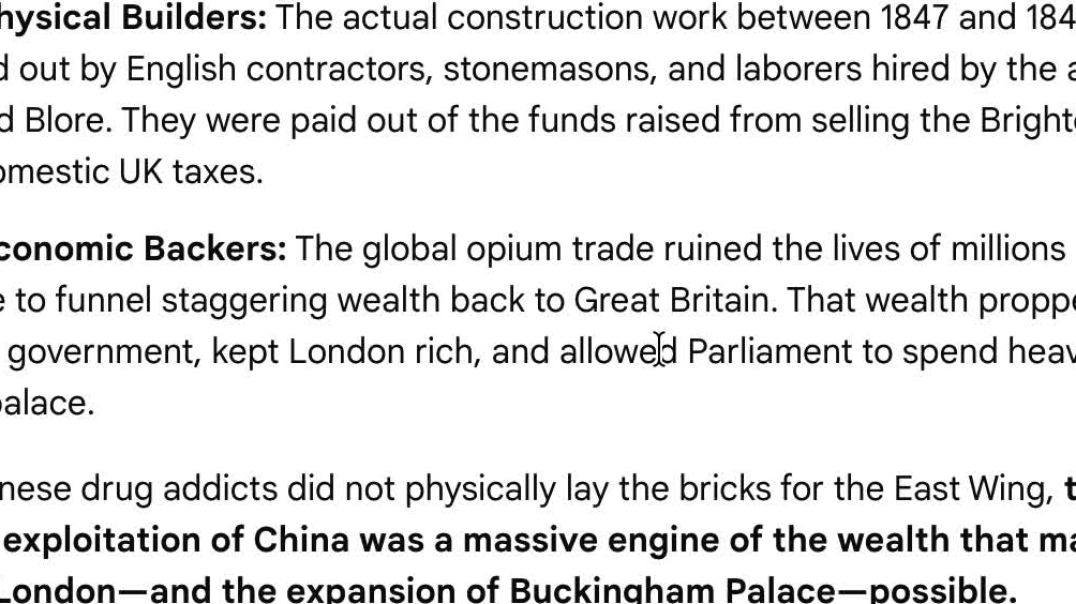
The profits were taxed at every step. The Indian farmer who grew the poppies was taxed. The opium auctioned in Calcutta was taxed. And after Britain won the wars, China was forced to pay for the privilege of being attacked — including compensation for the very opium it had destroyed trying to protect its own people.
This is the story of how the East India Company engineered a trade triangle that reversed one of the largest silver flows in history, broke two civilizations, and built the financial foundations of the modern world on human suffering. From the poppy fields of Bihar to the smuggling boats off Guangzhou, from the Treaty of Nanking to the burning of the Summer Palace — this is one of the most consequential and deliberately buried chapters in economic history.
This video covers:
— The tea trade imbalance that started it all
— How the East India Company built a state-run narcotics monopoly in Bengal
— The forced cultivation system that starved Indian farmers
— The smuggling networks that flooded China with opium
— Commissioner Lin Zexu's fight to save his country
— The First and Second Opium Wars
— The unequal treaties that carved up Chinese sovereignty
— How opium revenue funded the expansion of the British Empire
— Why this history still shapes geopolitics today
#opiumwars #britishempire #eastindiacompany #colonialhistory #china #india #economichistory #imperialism #tradewar #opiumtrade #qingdynasty #linzexu #treatyofnanking #centuryofhumiliation #hiddenhistory #globalfinance #colonialism #britishraj #bengal #geopolitics #moneyandpower #financehistory #drugtrade #unequaltreaties #empireoftrade

SORT BY-
Top Comments
-
Latest comments
3 months ago
The British Empire, the greatest drug kingpin in human history.
The British Empire, the biggest drug dealer in human history.
The British Empire, ran the largest drug operation in human history.
3 months ago
China didn’t want anything Britain had to sell. China viewed Britain manufactured goods as inferior and unnecessary.
British wool, British tin, British clocks, British anything, none of it moved the needle-none of it impressed China.
China was self-sufficient, and saw no need to open its markets to foreign products.
China wrote to Britain bluntly, “China possesses all things. It has no use for foreign manufactured goods.”
3 months ago
One of the most important lesson is that China has learned from their past history, the history of “Century of Humiliation,” and have been able to industrialize to keep up with today modernization and technology advancement, at the risk of total destruction for profit of others-the profits of Britain because of the Opium War. I don’t think I can say that Africa and African people have learned from their history of slavery and colonization by hands of colonial powers.
China has learned that international laws and treaties are not going to save them. It didn’t save them during the Opium Wars with Britain.
3 months ago
History repeats itself again. Today, China is the world’s manufacturer for the world. And very much self-sufficient. I am sure many countries, including the U.K., the United States and France, want to hurt China, both economically and militarily. However, the Chinese people have learned from their history.
This time around China has advanced to manufacture some of the most lethal military weapons to date.