- General Videos
- Music
- Economics
- Health
- Travel & Events
- History
- Psychology
- Spirituality
- Movies
- News & Politics
- Kmtyw Combat Sciences
- Ɔbenfo Ọbádélé Kambon Videos
- Ɔbenfoɔ Kamau Kambon: Black Liberation Philosophy
- Science, Tech, Engineering and Math
- Permaculture
- Self-Sustainability
- Living Off Grid
- Yoruba Language Learning
- Education
- Mmɔfra Adesua
- Nana Kamau Kambon Playlist
- Livestream
- Komplementarity Kouples and Revolutionary Singles
- Abibitumi Film Series
- Decade of Our Repatriation
- Kwento xpr
- Live
Latest videos
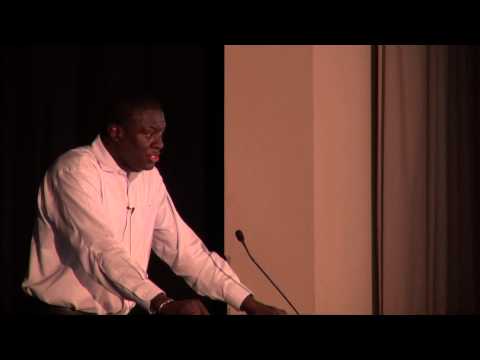


This webinar focussed on good practices and lessons learned to support agroforestry in the Africa region building on global experience and in the context of LEDS. During the session, the AFOLU Working Group of the LEDS Global Partnership presented on global experience and a deep dive presentation from one African country was also featured.
Date: 30 August 2018
Duration: 90 minutes
Speakers: Josh Ogada (SouthSouthNorth) Introductions of speakers and presentations 0:1 George Tarus (Kenya Forest Services)
The Case of Kenya
Skip to George's presentation 8:10
Felipe Casarim (Winrock International)
Agroforestry: A path to climate change mitigation and adaptation
Skip to Felipe's presentation 40:37
The presentations are available on the AfLP website: https://africaledspartnership.....org/en/2018/09/04/we
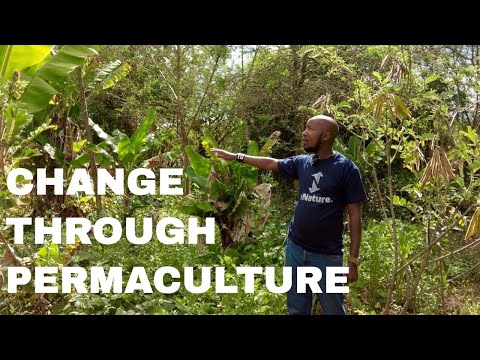


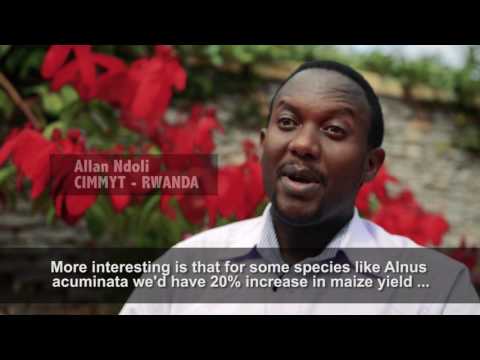
Trees for Food Security Project goal is to enhance food security for resource-poor people in rural Eastern Africa through research that supports national programmes to scale up the use of trees within farming systems in Ethiopia and Rwanda and then scale out successes to relevant ago-ecological zones in Uganda and Burundi.
Through the project, 5 Rural Resource Centers (2 in Rwanda, 2 Ethiopia and 1 in Uganda) and nurseries to enhance training and supply of improved tree germplasm have been established. The RRCs have provided business opportunities for farmer groups and unemployed youth particularly through grafted fruit trees.
Read more about the project here: http://bit.ly/2awF9S3
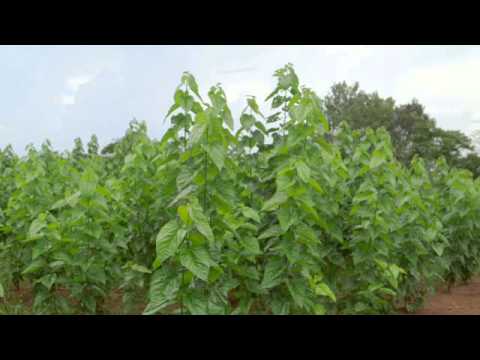
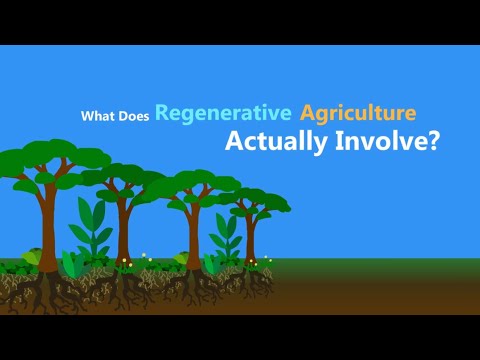
Regenerative agriculture is an effective way to restore biodiversity and stabilize the climate, but what exactly is it? This video explores three different regenerative practices that have great potential both in food production and in healing the land.
Sources:
Organic Agriculture does more harm than goodSearchinger et al., Assessing the efficiency of changes in land use for mitigating climate change, 2018.https://www.nature.com/articles/s41586-018-0757-z
Bacteria Converts Ammonium into Nitrite and Nitrate:Jeff Lowenfels & Wayne Lewis, Teaming with Microbes, 2006, 48.Myceilium brings water to plants:Ibid, 57.Worms increase water absorption and allow plant roots to penetrate deeper:Ibid, 89.Fertilizer leeches into water:Ministry of Agriculture, Food and Rural Affairs, 2005.http://www.omafra.gov.on.ca/en....glish/engineer/facts
Regenerative grazing can sequester carbon:Sanderman et al., Impacts of Rotational Grazing on Soil Carbon in Native Grass-Based Pastures in Southern Australia, 2015.https://journals.plos.org/plos....one/article%3Fid%3D1
Regenerative grazing can build soil and reverse desertification:Allan Savory, Holistic Management, 1999, 244.The growth of grass:Global Rangelands, Basics of Grass Growthhttps://globalrangelands.org/t....opics/rangeland-ecol
Julius Ruechel, The Daily Pasture Rotation, 2009.https://www.grass-fed-solution....s.com/pasture-rotati
Overgrazing leads to erosion, drought, and desertification:Ibanez et al., Desertification due to overgrazing in a dynamic commercial livestock–grass–soil system, 2007.https://www.sciencedirect.com/....science/article/pii/ forests consist of 7 layers:Toby Hemenway, Gaia's Garden, 2001, 172.