







- General Videos
- Nnwom
- Sikas?m
- Akwahosan
- Travel & Events
- Abak?s?m
- Adwene mu Nhwehw?mu
- Honhom fam nne?ma
- Fim
- News & Politics
- Kmtyw Combat Sciences
- Ɔbenfo Ọbádélé Kambon Video ahorow
- ?benfo? Kamau Kambon: Black Liberation Philosophy
- Science, Tech, Engineering and Math
- Permaculture
- Self-Sustainability
- Living Off Grid
- Yoruba Language Learning
- Nhomasua
- Mmɔfra Adesua
- Nana Kamau Kambon Playlist
- Livestream
- Komplementarity Kouples and Revolutionary Singles
- Abibitumi Film Series
- Decade of Our Repatriation
- Live



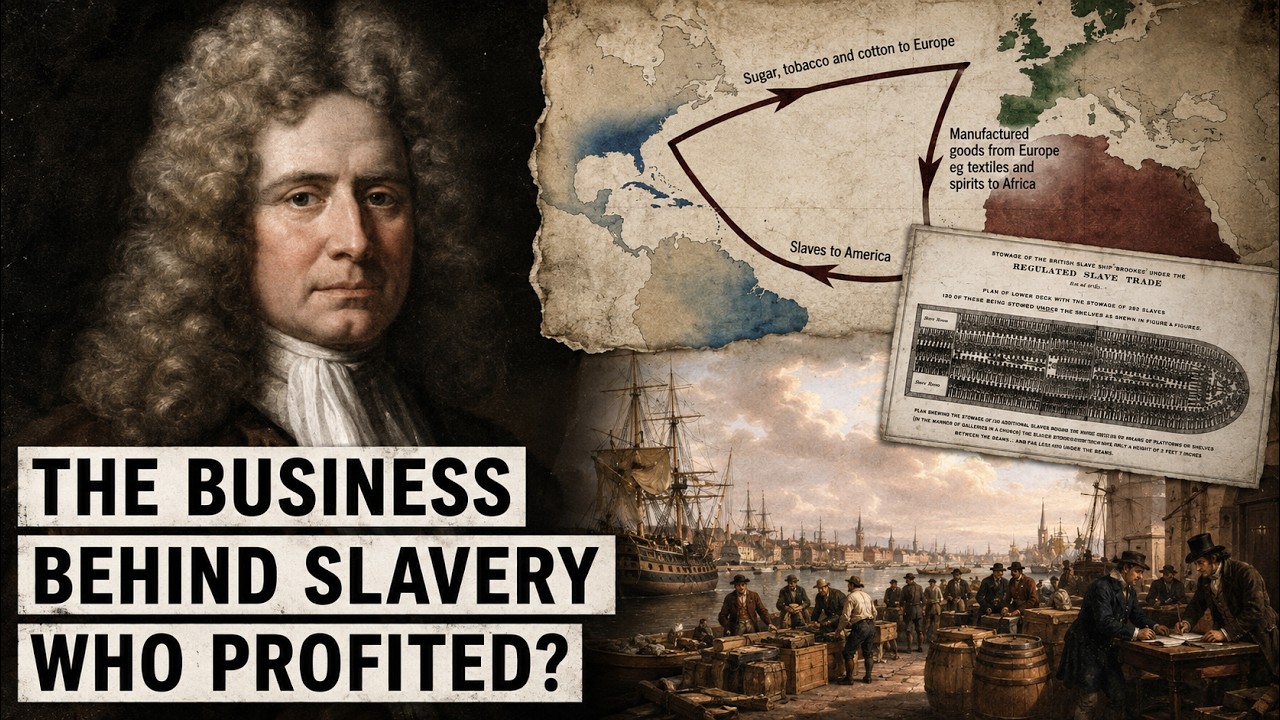
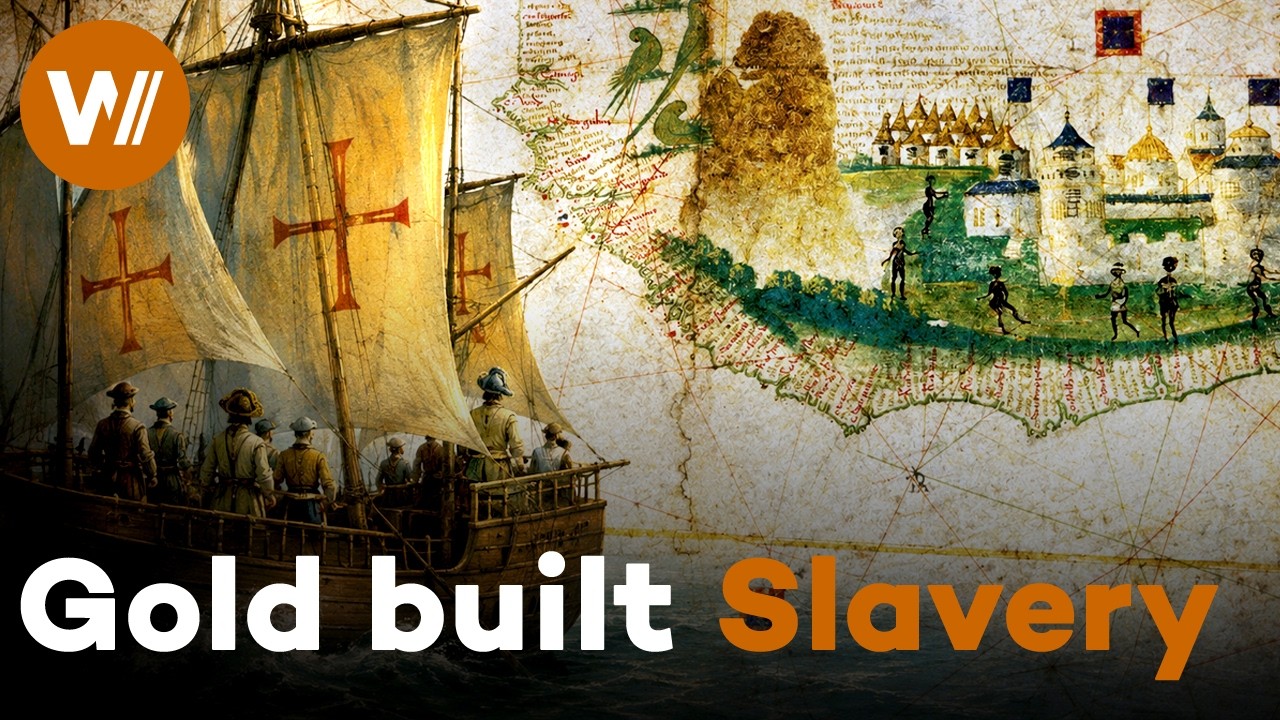






Episode 1:Before The TransAtlantic Slave Trade-Before the Cotton Fields There Was The Trans-Sahara S

The history of slavery did not begin in the cotton fields. Long before the transatlantic slave trade, Africa stood at the center of vast networks of human trafficking that connected the Sahara, the Middle East, the Mediterranean, and beyond.
Episode 1: Beyond the Desert explores the origins and expansion of the trans-Saharan slave trade, from the fall of Rome in 476 AD to the rise of powerful African and Islamic empires. As Arab rule expanded from the banks of the Indus to the southern edge of the Sahara, new routes of conquest, commerce, and enslavement reshaped entire societies.
At the heart of this world stood two major trading centers: Cairo, the great commercial hub between Africa and the Middle East, and Timbuktu, a strategic gateway for the trans-Saharan caravans and the empires of West Africa.
Through archives, historical analysis, and powerful storytelling, this first episode of Slavery Routes reveals how millions of sub-Saharan Africans were captured, sold, displaced, and turned into the “human raw material” of one of the longest systems of enslavement in history.
-------
Chapters
▷ 00:00 - Introduction: Africa and the Origins of a Global Slave Trade
▷ 01:50 - Slavery in Antiquity and the Fall of the Roman Empire
▷ 03:35 - Why Africa Became a Center of the Slave Trade
▷ 05:30 - The Arab Empire, Nubia, and the Politics of Enslavement
▷ 08:17 - African Slaves in Islamic Dynasties: War, Labor, and Power
▷ 11:00 - Slave Routes Across the Mediterranean, Caucasus, Balkans, and Russia
▷ 12:40 - The Zanj Rebellion: One of History’s Largest Slave Uprisings
▷ 16:00 - Cairo: Capital of the Arab Empire and Hub of the Slave Trade
▷ 19:49 - The Expansion of Slavery in North Africa and the Middle East
▷ 23:40 - Conversion, Islam, and the Religious Paradox of Enslavement
▷ 25:45 - Camels and the Expansion of Trans-Saharan Trade Routes
▷ 28:10 - Timbuktu: A Strategic Trading Center in West Africa
▷ 31:53 - Gold, Slaves, and the Prosperity of the Mali Empire
▷ 33:05 - Islam and the Commercial Power of the Mali Empire
▷ 34:00 - Race, Otherness, and the Justification of Slavery
▷ 36:55 - Social Hierarchy and Class Systems in Medieval Mali
▷ 39:00 - Hereditary Slavery and the Racialization of the Trans-Saharan Trade
▷ 41:07 - The Memory of Slavery in Africa and Contemporary Racism
▷ 43:00 - Mansa Musa’s Pilgrimage and the Power of the Mali Empire
▷ 46:30 - North Africa and the Global Trade Routes of the Middle Ages
▷ 50:00 - Epilogue: The Lasting Impact of the Trans-Saharan Slave Trade
▷ 51:20 - Credits
#slaveryroutes #historydocumentary #africanhistory #slaveryhistory #transsaharanslavetrade #maliempire #timbuktu #mansamusa #worldhistory #fulldocumentary #historydocumentary #WocomoHISTORY
-------
Subscribe to the channel: https://goo.gl/4bVtZk
Follow us on Facebook: https://www.facebook.com/wocomo/
-------
Original title: Slavery Routes: 476–1375 — Beyond the Desert
Directed by: Daniel Cattier, Juan Gélas, Fanny Glissant
Produced by: Compagnie des Phares et Balises, ARTE France
In co-production with: Kwassa Films, RTBF Télévision Belge, Lx Filmes, RTP, INRAP
© 2018, licensed by Incognita Distribution
-------
Documentaries about politics, society and science produced by leading studios around the world. Our goal is to be a reliable source of high-quality information and investigative journalism for a better understanding of relationships, backgrounds and future developments.
Check out our other channels to watch high quality documentaries:
▷ wocomoHUMANITY: https://www.youtube.com/wocomoHUMANITY
▷ wocomoWILDLIFE: https://www.youtube.com/wocomoWILDLIFE
▷ wocomoHISTORY: https://www.youtube.com/wocomoHISTORY
▷ wocomoTRAVEL: https://www.youtube.com/wocomoTRAVEL
▷ wocomoCOOK: https://www.youtube.com/wocomoCOOK
Wocomo DOCS is part of the Wocomo channel network by NIKITA VENTURES. Wocomo - wonderful content in motion.

SORT BY-
Top Comments
-
Latest comments
“Throughout history, most slaves were white.
The fact that slavery became a predominantly Black phenomenon is rather a recent history.
—a white University of Paris-France professor
The word “SLAVE” comes from the ethnic name of the Slavic peoples (SLAVS) of Central and Eastern Europe. During the early Middle Ages in Europe and the Byzantine Empire, large numbers of Slavic people were captured and sold into forced labor. Over time, the medieval Latin word for a Slavic person (Sclavus) changed meaning to describe a person held as property.
This is why the word “slave” comes from the word-“Slavic”-“Slavs”. Because “slaves”-“slavery” mostly a white EuroAsian practice.
That is why there are European countries named:
CzechoSlavakia (Czech Republic), YugoSlavia, Slovenia (Slavenia), etc.
The Slavs-Slavic belong to the Balto-Slavic branch of the Indo-European family. Present-day Slavs are classified into three groups:
West Slavs (Czechs, Kashubians, Moravians, Poles, Silesians, Slovaks, and Sorbs);
East Slavs (Belarusians, Russians, Rusyns, and Ukrainians);
South Slavs (Bosniaks, Bulgarians, Croats, Gorani, Macedonians, Montenegrins, Pomaks, Serbs, Slovenes and Torbeši).
Soviet Union (USSR): A massive socialist state that incorporated Slavic core nations (Russia, Ukraine, and Belarus) alongside other republics, dissolving in December 1991.