- General Videos
- Music
- Economics
- Health
- Travel & Events
- History
- Psychology
- Spirituality
- Movies
- News & Politics
- Kmtyw Combat Sciences
- Ɔbenfo Ọbádélé Kambon Videos
- Ɔbenfoɔ Kamau Kambon: Black Liberation Philosophy
- Science, Tech, Engineering and Math
- Permaculture
- Self-Sustainability
- Living Off Grid
- Yoruba Language Learning
- Education
- Mmɔfra Adesua
- Nana Kamau Kambon Playlist
- Livestream
- Komplementarity Kouples and Revolutionary Singles
- Abibitumi Film Series
- Decade of Our Repatriation
- Kwento xpr
- Live
Top videos
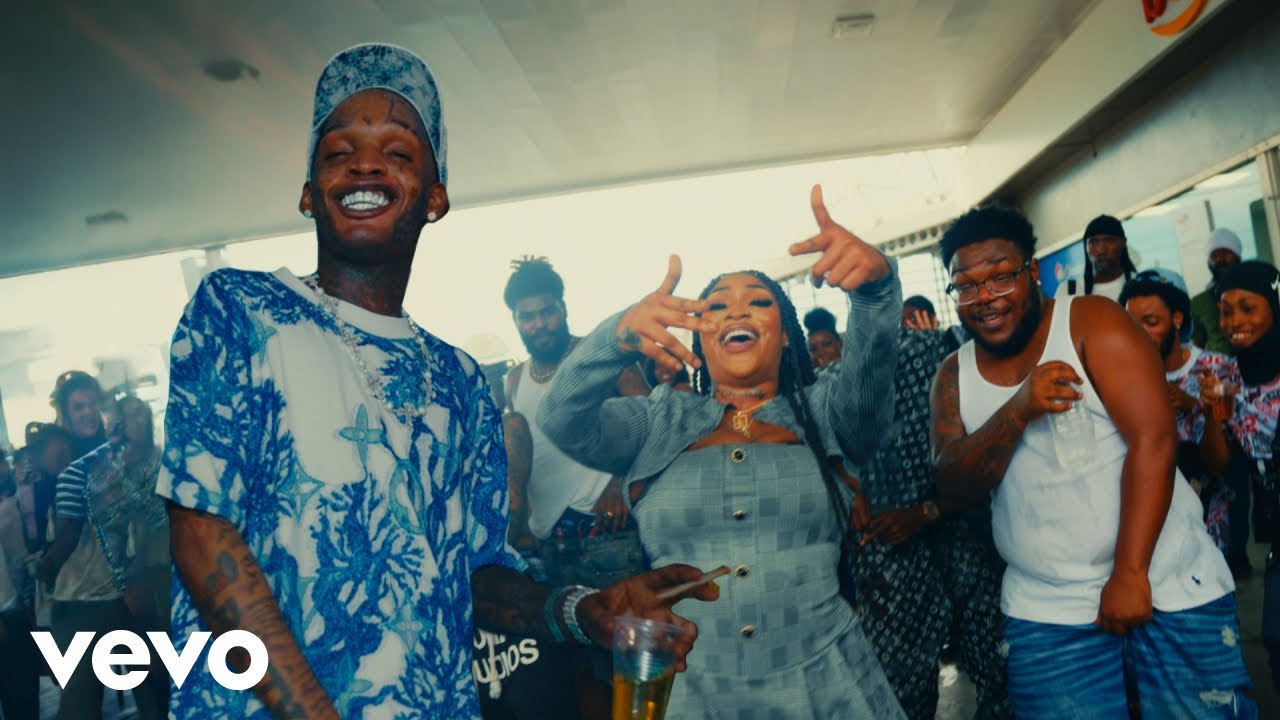

Skeng x Khandy x JiggyD - Who A Dance (Official Video)
Purchase/Stream: https://zojak.link/whoadance
Produced By: JiggyD Entertainment
Composed By : ThatSoRhudeClassic & JiggyD
Mix & Master By : ThatSoRhudeClassic Aliendary Prince
Visuals By: Topshootah
Follow JiggyD :
https://instagram.com/1jiggyd
Follow Skeng:
https://instagram.com/skeng.don
Follow Khandy Brawling:
https://instagram.com/khandyy_
#whoadance #skeng #khandybrawling #jiggyd #1more #dancehall


👉🏿 INVEST IN INDEPENDENT BLACK MEDIA → Watch the FULL UNCENSORED interview with Alexia Doubouya and LaKeisha Entsuah at https://ineverknewtv.com/premium/
Why are so many mothers struggling in silence?
In Pt.1of this powerful reasoning, Alexia Doubouya and LaKeisha Entsuah of Coco Life discuss postpartum mental health, the loss of community, fatherhood, and why modern mothers are being asked to raise children without the village previous generations once had.
Please click the link below to learn more about Alexia Doubouya and LaKeisha Entsuah and their work: https://www.cocolife.black/
🎧 Catch 'I NEVER KNEW RADIO
for Roots, Rock, Reggae Music!
Hosted by Jr a.k.a 'The Bald Head' of 'I Never Knew TV'
📅 Sundays: 9 - 11 AM EST
📅 Wednesdays: 8 - 10 AM EST
📅 Thursdays: 10 AM - Noon EST
Listen live: https://wloy.org/listen/
#postpartum #ineverknewtv

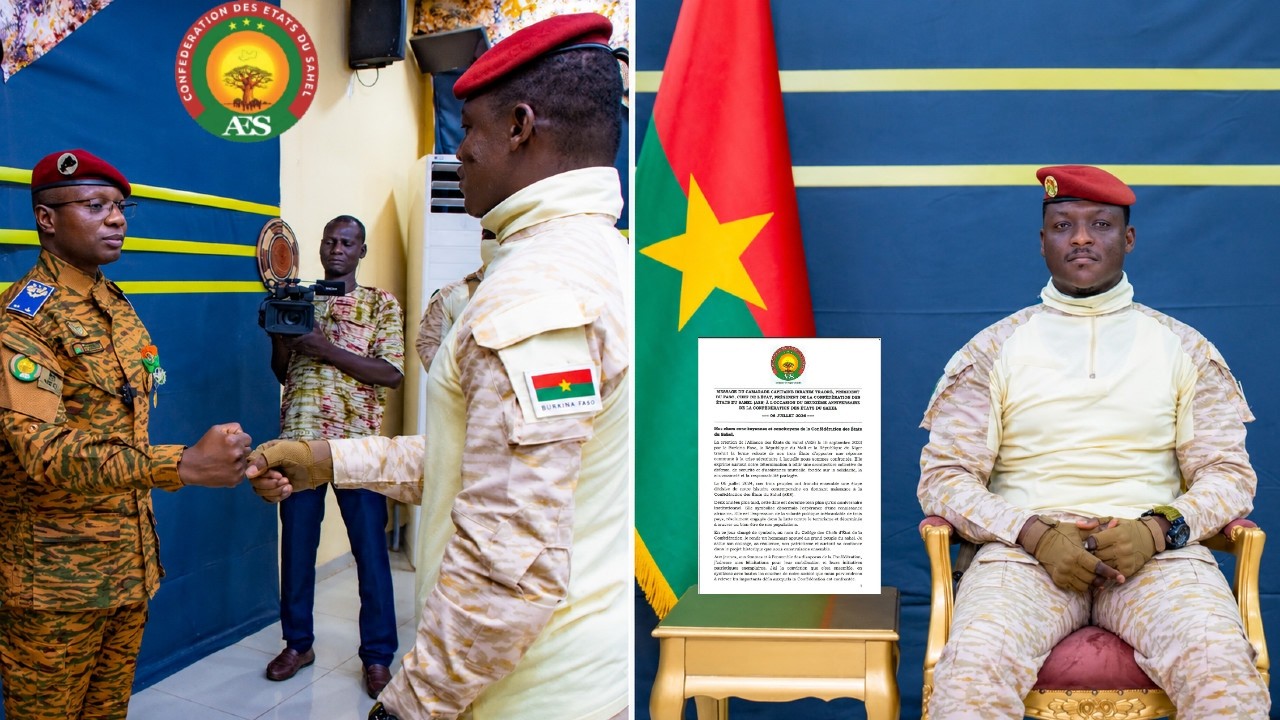
Burkina Faso is taking a historic step toward technological sovereignty and industrial transformation. The country is preparing to launch the Faso Technological Academy, a world-class institution dedicated to training the next generation of African engineers, scientists, innovators, and technology leaders.
With programs focused on Nuclear Energy, Metallurgy, Aeronautics, Mining, and Cybersecurity, this academy represents far more than a university—it is a declaration that Africa can develop its own expertise, build its own industries, and shape its own future.
Operating directly under the Presidency of Burkina Faso, the academy reflects a bold vision of self-reliance, innovation, and Pan-African progress. As construction nears completion and the first students prepare to enroll, many Africans are asking: Is this the beginning of a new era where Africa trains the minds that will build its own factories, aircraft, energy systems, and technological infrastructure?
This is not just Burkina Faso's story. It is Africa's story.
🔥 Watch until the end and share your thoughts:
Can the Faso Technological Academy become Africa's answer to MIT?
#burkinafaso #ibrahimtraoré #panafricanism #africarising #technology #innovation #engineering #science #nuclearenergy #CyberSecurity
#Love
#Peace
#africansolutions

"2AM in Venezuela" (OFFICIAL VIDEO): https://youtu.be/GtvkwgbVKF8
BLACK WINTER (Full Album): https://youtube.com/playlist?list=PLJSMFuicKjJ46p1K9TlqZPRGFSd0M5z9U&si=4WG_YXCGJinM6XEN
Join the Patreon for exclusive videos that you won't find on Youtube: https://www.patreon.com/NTD1814
S U P P O R T
Cash App - $NelsonAmadeus
PayPal- GlobalHitsWorld@gmail.com
EMAIL - KingNeferkare@gmail.com
Twitter @NTDessalines
Instagram @NelsonAmadeus
TURN ON POST NOTIFICATIONS.


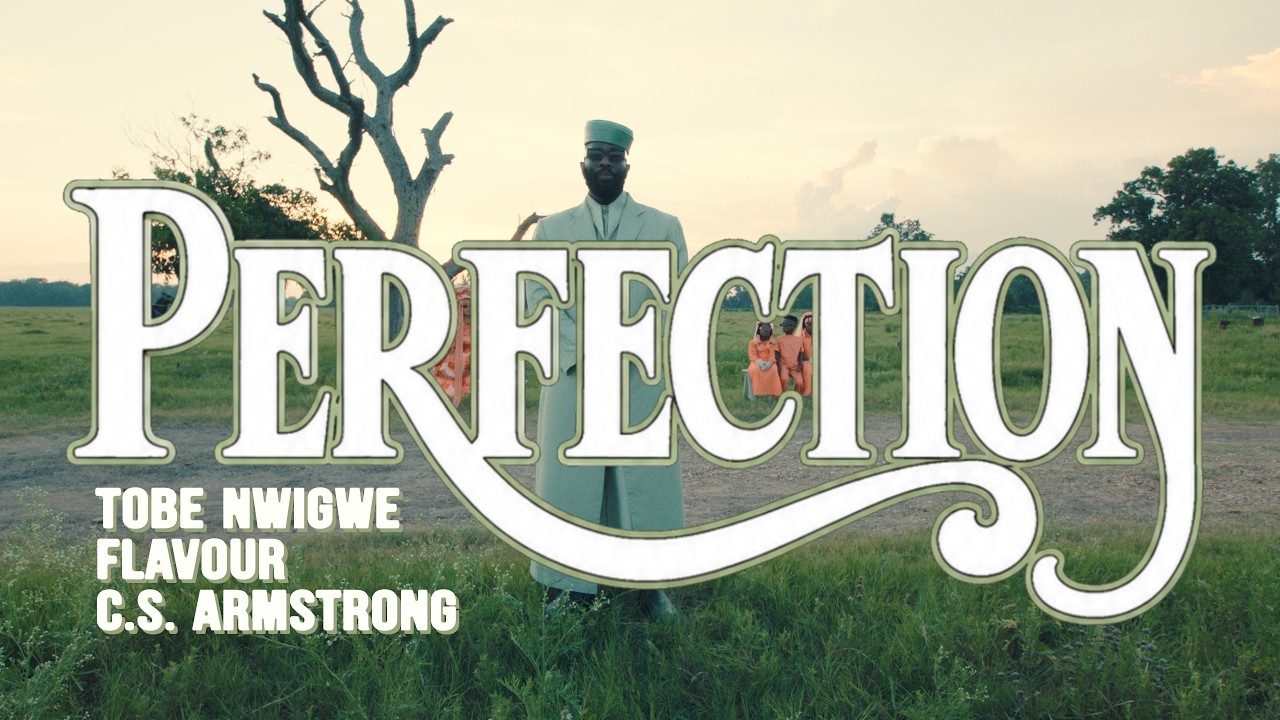
The official music video for Tobe Nwigwe, Flavour “PERFECTION (feat. C.S. Armstrong)”.
MUSIC:
Stream "PERFECTION (feat. C.S. Armstrong)" with Flavour: https://orcd.co/tobenwigwe-perfection
Show love to my album "THE BRIDGE" coming soon: https://orcd.co/thebridge-listen
CREDITS:
A Good Stewards Production
Directed By:
Tobe Nwigwe
Creative Director:
Tobe Nwigwe
Song Produced By:
Kizzo & Tobe Nwigwe
Executive Producer:
Jeffrey Idehen
Director of Photography:
Shaider Divina
Creative Assistant:
Donta Nelson
Editor:
John Conway
Colorist:
Mcauley Teters
Choreographer:
Tobe Nwigwe & Sarah Olaniran
Styling:
Tobe Nwigwe & Ugo Mozie
Wardrobe Assistant:
Julie James
1st AC:
Jeovany Villatoro
Production:
Randy Wrosiv & Derek Wallace
Special Thanks to:
Wazobia African Market
Moyle Ranch
Dynasty Apartments
The Real Deal Riding Club
Laniya Goodson
Masquerade: Mandela
Tank Humes
FOLLOW ME:
Instagram: https://www.instagram.com/tobenwigwe
TikTok: https://www.tiktok.com/@tobenwigwe
X: https://x.com/TobeNwigwe?lang=en
Facebook: https://www.facebook.com/TobeNwigwe/
LYRICS:
Ndum ezuro oke mana Chukwu ji nwanyi’m wer mer ka ndum wer zuo oke
My sweetie my sugar my love
Ndum ezuro oke mana Chukwu ji nwanyi’m wer mer ka ndum wer zuo oke
Fine fine see see fine fine baby ooooo
my aura come with real nigga decorum I’m on yo head like fedoras when I enter (enter)
..a g word to Warren, I leave em milky like Borden, if ever I touch a portion of they fender
Beep beep I’m on ya bumper lady
Hope my hands can make you talk like a muppet baby
I’m feeling so Kermit, all I need is a permit
If I leap promise me you’ll return it and..
Meet me mid air see what I did there..
Can’t no regular nigga do dat
It shouldn’t be hard (for you to conclude dat)
U wanna proceed to leave w/ me and get ya blew back
oops I meant back blew out no domestic
Flows perfected, ain’t hard to connect with,
A nigga who’s projecting, the essence of everything you wish that you was blessed with re- spect-ful-ly
Oh lord I know ain’t nobody perfect
But I see perfection in you
I see it in you…
Ndum ezuro oke mana Chukwu ji nwanyi’m wer mer ka ndum wer zuo oke
My sweetie my sugar my love
Ndum ezuro oke mana Chukwu ji nwanyi’m wer mer ka ndum wer zuo oke
Fine fine see see fine fine baby ooooo
Beautiful mama Odugwuo says you’re the one (you are the one)
My fine fine baby ooooooooo u shine like the sun
But would u back it up and dance w/ me
Not harsh baby amicably
Would you leap and take a chance w/ me
No triple k baby build a clan with me
Take my hand romantically then prance w/ me deny every man you see, every night clad yaself in something scantily & if you ever do me wrong I’ll grant ya amnesty cause
Oh lord I know ain’t nobody perfect
But I see perfection in you
I see it in you…
Ndum ezuro oke mana Chukwu ji nwanyi’m wer mer ka ndum wer zuo oke
My sweetie my sugar my love
Ndum ezuro oke mana Chukwu ji nwanyi’m wer mer ka ndum wer zuo oke
Fine fine see see fine fine baby ooooo

~::*Visit our sponsors*::~
Mmuta Di Uto Activity Book Series https://www.amazon.com/dp/B0DGL9M6DG
Unu Dum Storybook https://a.co/d/8qwKCr6
Sign up for our FREE mailing list https://unudumfilm.aweb.page/mmutadiuto-signup
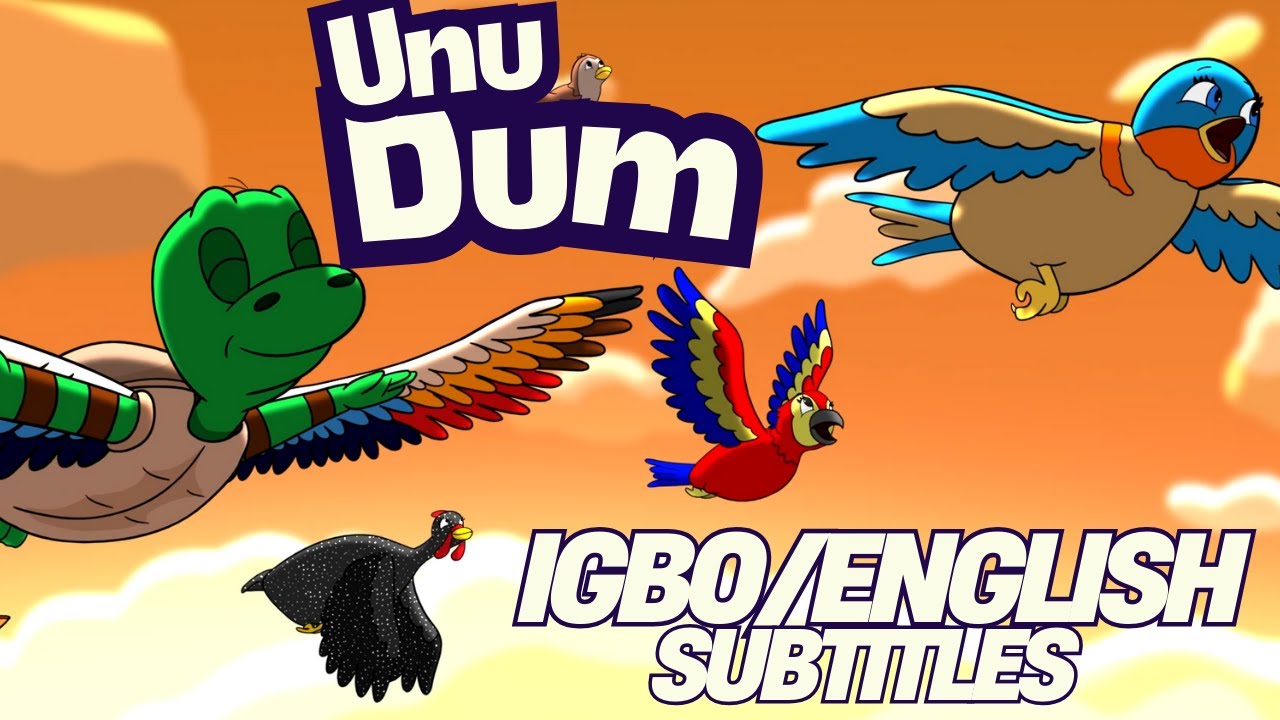
Dive into the enchanting world of Igbo folklore with "Unu Dum," an animated short film that brings a captivating Igbo tale to life. This story follows the clever tortoise, who dreams big and crafts a plan to fly with the birds to a grand banquet in the sky. What happens when ambition meets mischief at a feast among the clouds? Find out in this beautifully animated journey!
🌟 Subscribe to our channel for more updates and behind-the-scenes content as we bring this folktale into the limelight.
🎬 About This Project: "Unu Dum" is not just a film; it's a movement to revive and celebrate the rich storytelling traditions of the Igbo culture. Created by a team dedicated to the preservation of indigenous narratives, this film is a tribute to the timeless tales passed down through generations.
Follow the Mmụta Dị Ụtọ channel on WhatsApp for real time updates on our projects, Igbo lectures and giveaways! https://whatsapp.com/channel/0....029Va5XYuhFsn0nK6YZ5
Add Ikenga Nation TV on Your Roku app https://my.roku.com/add/ZCZNHQ
Add Ikenga Nation TV on Amazon Fire TV
https://www.amazon.com/Nwudo-L....LC-Ikenga-Nation-TV/
Sign up for updates at https://ikenganation.com
Follow us on social media: https://twitter.com/ikenganation
https://facebook.com/ikenganation
https://instagram.com/ikenganation
https://instagram.com/maaziagu
Join the community at https://facebook.com/groups/ikenganation
Listen to the podcast https://akukoifo.com
To contribute to production of this show and other such content, please direct your donations to
Cashapp $ikenganation
Paypal https://paypal.me/ikenganation
Venmo @ikenganation
#maaziagu #igbo #unudum