
- General Videos
- Music
- Economics
- Health
- Travel & Events
- History
- Psychology
- Spirituality
- Movies
- News & Politics
- Kmtyw Combat Sciences
- Ɔbenfo Ọbádélé Kambon Videos
- Ɔbenfoɔ Kamau Kambon: Black Liberation Philosophy
- Science, Tech, Engineering and Math
- Permaculture
- Self-Sustainability
- Living Off Grid
- Yoruba Language Learning
- Education
- Mmɔfra Adesua
- Nana Kamau Kambon Playlist
- Livestream
- Komplementarity Kouples and Revolutionary Singles
- Abibitumi Film Series
- Decade of Our Repatriation
- Kwento xpr
- Live

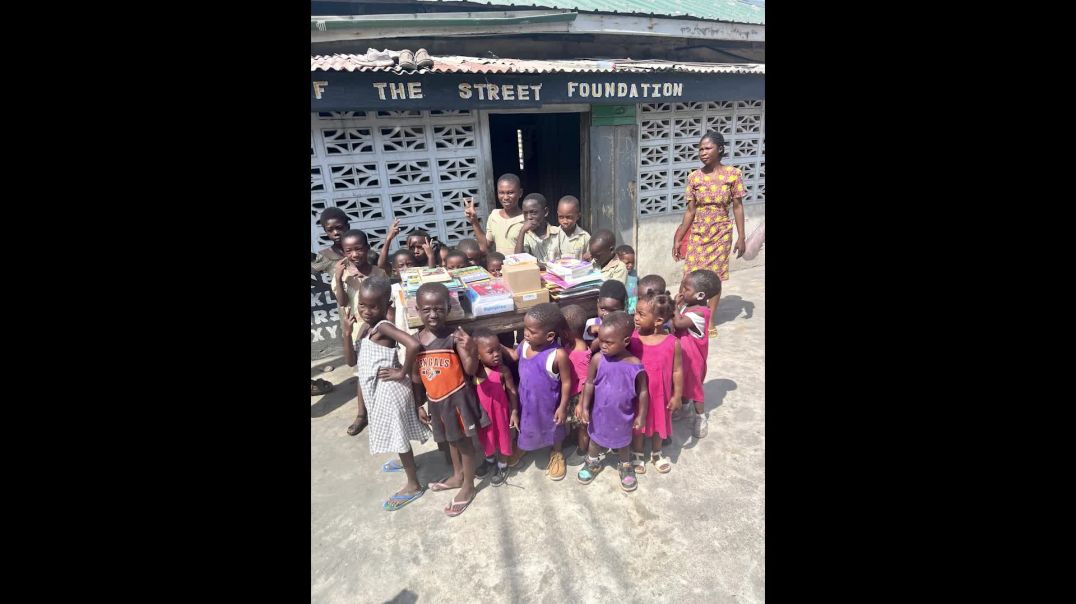
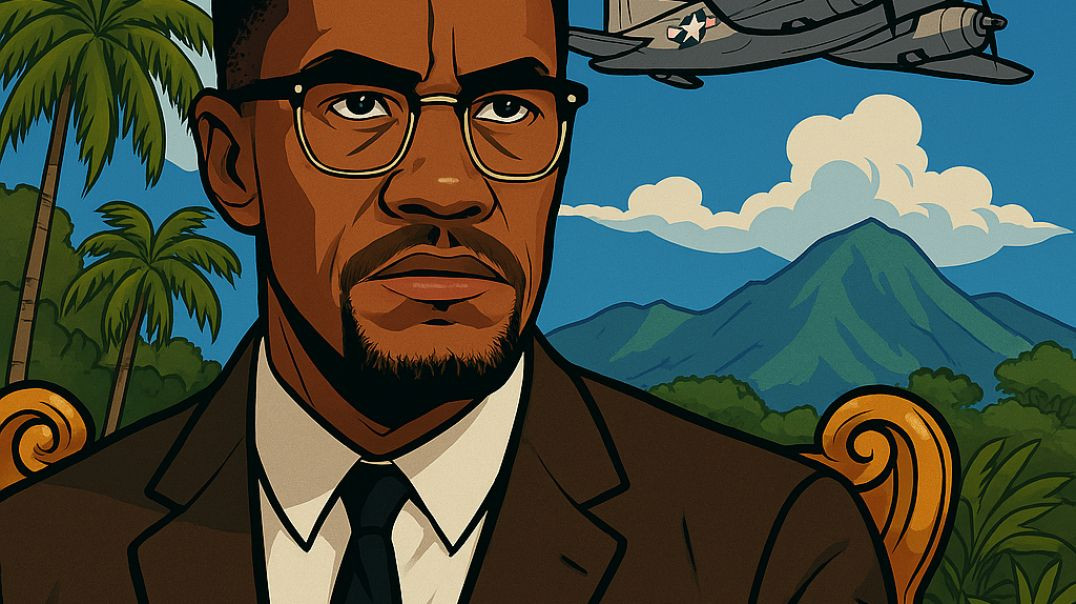


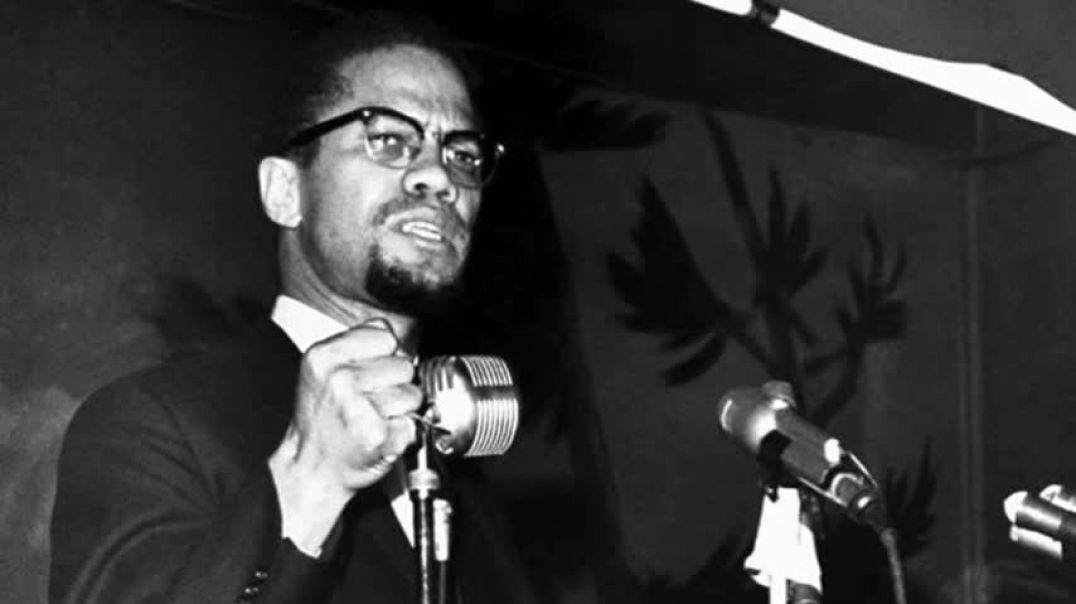


Malcolm X Fridays - The Malcolm X Foundation

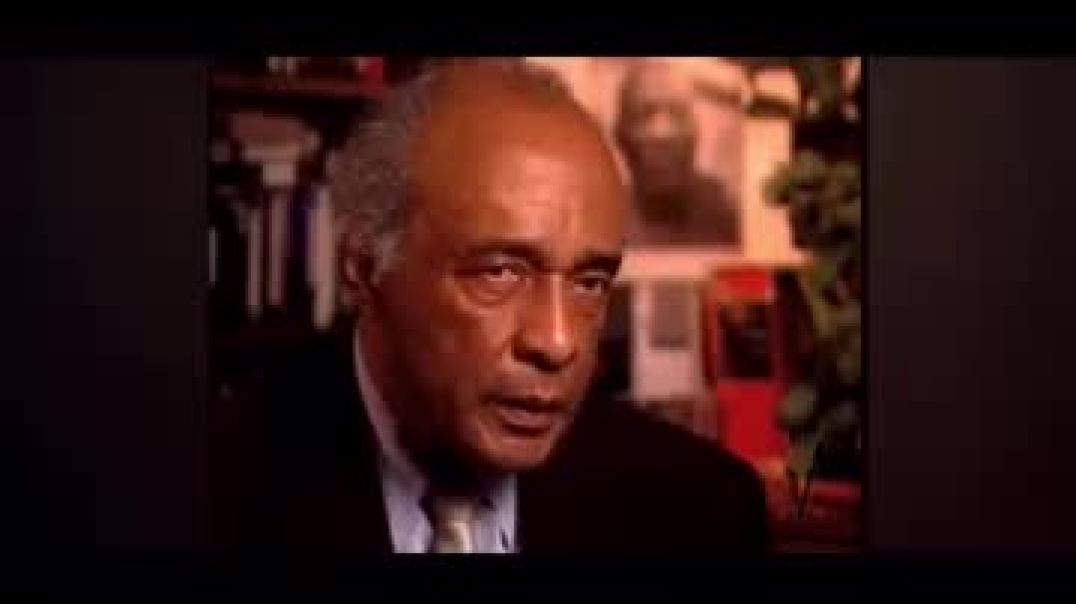
Interview with Hakim Jamal, Founder of the Malcolm X Foundation done c. 1968. Jamal discusses the goals of the Foundation and in particular outlines the Foundation's educational efforts by detailing how the schools run by the Foundation are based in part on the educational philosophy of Maria Montessori. History shows us that today, in 2024, we need to do something better for our Black children. They don't only need reading, writing and a love of math, they need to be educated in regaining the love of being from Africa and being a surviving African American in America in 2024.
Maria Montessori was an Italian physician, educator, and innovator, acclaimed for her educational method that builds on the way children learn naturally.
She opened the first Montessori school—the Casa dei Bambini, or Children’s House—in Rome on January 6, 1907. Subsequently, she traveled the world and wrote extensively about her approach to education, attracting many devotees. There are now thousands of Montessori schools in countries worldwide.
Maria Montessori was born on August 31, 1870, in the provincial town of Chiaravalle, Italy. Her father was a financial manager for a state-run industry. Her mother, raised in a family that prized education, was well schooled and an avid reader—unusual for Italian women of that time. The same thirst for knowledge took root in young Maria, and she immersed herself in many fields of study before creating the educational method that bears her name.
Beginning in early childhood, Maria lived in Rome, growing up in a paradise of libraries, museums, and fine schools.
Birth of a Movement
Maria’s early medical practice focused on psychiatry. She later developed an interest in education, attending classes on pedagogy and immersing herself in educational theory. Her studies led her to observe, and call into question, the prevailing methods of teaching children with intellectual and developmental disabilities.
The opportunity to improve on these methods came in 1900, when she was appointed co-director of a new training institute for special education teachers. Maria approached the task scientifically, carefully observing and experimenting to learn which teaching methods worked best. Many of the children made unexpected gains, and the program was proclaimed a success.
In 1907, Maria accepted a challenge to open a full-day childcare center in San Lorenzo, a poor inner-city district of Rome. The students were under-served youngsters, ages 3 – 7, who were left to their own devices while their parents went out to work. This center, the first of its kind in the nation, and a high-quality learning environment, became the first Casa dei Bambini.
The children were unruly at first, but soon showed great interest in working with puzzles, learning to prepare meals, and manipulating learning materials Maria had designed. She observed how the children absorbed knowledge from their surroundings, essentially teaching themselves.
Using scientific observation and experience gained from her earlier work with young children, Maria designed learning materials and a classroom environment that fostered the children’s natural desire to learn and provided freedom for them to choose their own materials.
To the surprise of many, the children in Maria’s programs thrived, exhibiting concentration, attention, and spontaneous self-discipline. The “Montessori Method” began to attract the attention of prominent educators, journalists, and public figures. By 1910, Montessori schools could be found throughout Western Europe and were being established around the world, including in the United States where the first Montessori school opened in Tarrytown, NY, in 1911.

SORT BY-
Top Comments
-
Latest comments