Are you 18 years old or above?
Foundations of African Thought Lecture #12: Combat/Military Science – Continent and Diaspora5 May 2016
Foundations of Afrikan Thought #14: The Battle for Afrikan Philosophy, The Battle for Kemet
Foundations of Afrikan=Black Thought 18 April 2019: Afrikan Thought and Thought of Non-Afrikans
A message from the 90s that i gind still reoevsnt today.
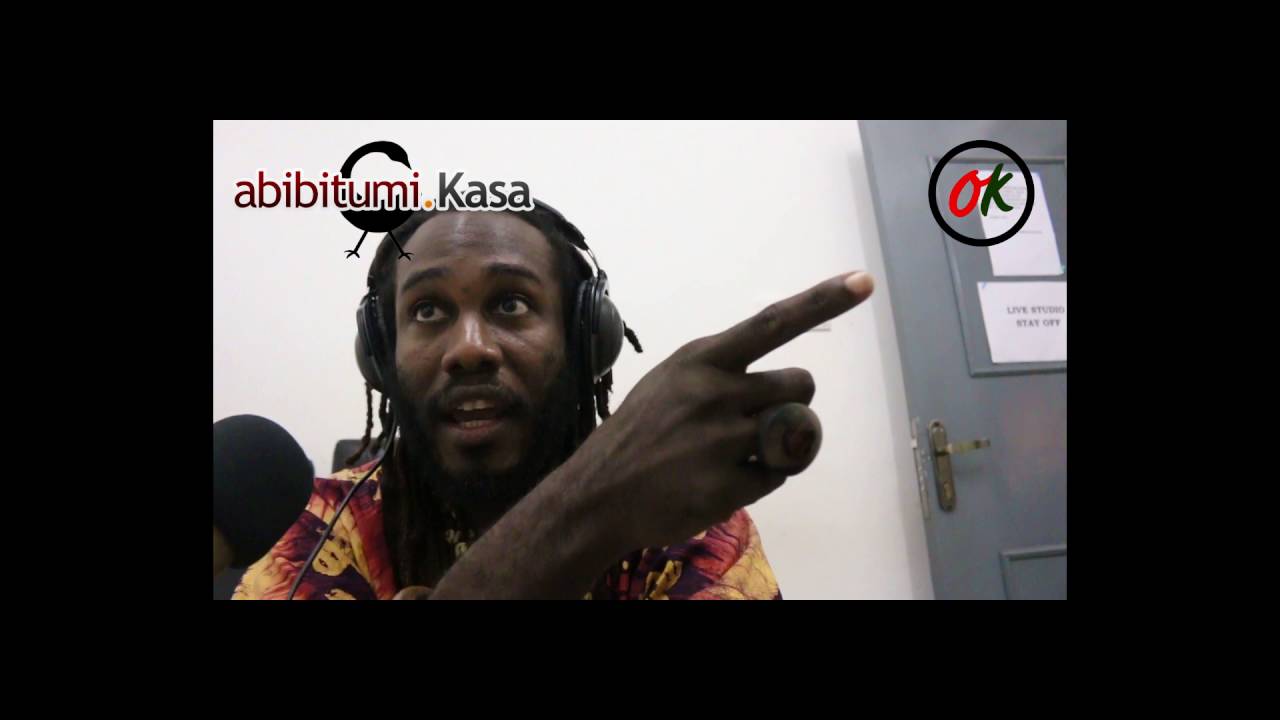
In this powerful conversation, Ɔbenfo Ọbádélé Bakari Kambon discusses language, names, identity, Kmt, mdw nTr, Black knowledge systems, and the deeper meaning embedded in time, clothing, place, ancestry, and everyday life. He challenges the assumption that knowledge only lives in books, libraries, and formal institutions, showing instead that Black wisdom is embodied in names, proverbs, songs, greetings, writing systems, ancestral practice, architecture, cosmology, and the natural world. From the importance of indigenous names to the Black origins of writing and timekeeping, this discussion opens up a deeper way of understanding who we are and what we must recover. Topics include: Language as a foundation of identity Names as direction, definition, and destiny Why “Africa,” “Europe,” and “the West” must be questioned mdw nTr and the sacred relationship between writing and nature Kmt as the Land of Black People Ancestral continuity and transformation Black concepts of time beyond clocks and capitalism The importance of learning without hostile interpreters Why what we know of ourselves depends on who taught us This is a necessary discussion for anyone serious about Black knowledge, Black identity, Abibitumi ‘Black Power,’ and Abibifahodie ‘Black Liberation.’
Ukombozi Library The concepts of community building and raising consciousness represent two distinct yet intertwined approaches in the work of fostering progress and empowerment within Black communities. Here's a comparison between these two models, particularly when framed around someone being a "Living Legend": Community Building Model This model focuses on the practical, physical, and infrastructural development of a community. It includes tangible aspects like: Institution Creation: Founding schools, community centers, businesses, and other communal spaces. Economic Empowerment: Encouraging collective economics and self-reliance by creating local industries or services that provide jobs and financial stability. Organizational Leadership: Developing strong, centralized leadership structures that help guide the community toward shared goals. Physical Resources: Ensuring basic necessities like food, shelter, safety, and health services are accessible within the community. In the context of a Living Legend, this model would view the individual as a builder—someone who has physically transformed their environment through strategic initiatives, leading to the empowerment of the people. Their legacy would be in the enduring institutions, wealth-generating opportunities, and overall improved quality of life for the community. Raising Consciousness Model This model, on the other hand, focuses on the internal, intellectual, and spiritual awakening of individuals within the community. Key elements include: Cultural Reclamation: Teaching the importance of indigenous knowledge systems, spirituality, and identity (as you have emphasized with terms like reKemetization or de-aAmw-ization). Educational Upliftment: Providing knowledge that helps individuals critically understand historical, social, and political forces that affect their lives, particularly around issues like colonialism, white supremacy, and global oppression. Personal Empowerment: Encouraging individuals to understand their place in the universe, their power, and their potential, leading to self-determined action. Collective Identity: Building a shared consciousness where people see themselves as part of a larger collective struggle for liberation, and are united in their efforts to reclaim power and autonomy. In the Living Legend framing, someone seen as raising consciousness would be celebrated for their work in transforming minds and spirits. Their legacy would lie in the awakening of critical thought, cultural pride, and the reorientation of people towards their heritage and greater purpose. They inspire generations through teaching, writing, speaking, and spiritual leadership, rather than building physical institutions. Interconnection While distinct, the two models are deeply interconnected. Community building cannot thrive without a raised consciousness to fuel and sustain it, and the process of raising consciousness often requires spaces and institutions to nurture it. A Living Legend can embody both, simultaneously serving as a builder of institutions and as a catalyst for mental, cultural, and spiritual awakening. In your own work, these models could reflect different dimensions of how you approach Black liberation and empowerment through Abibitumi, as you're engaged in both practical community building (e.g., businesses, conferences, repatriation initiatives) and in consciousness-raising (e.g., language teaching, decolonization discourses, cultural education).
Afrika Heartbeat Ijinle Ilu 1. KURUMO (KRU MAN) 4:45 2. JAB-MALASSIE 4:16 3. AWODI (BLACK-KITE) 5:42 4. KWAME 6:25 5. ALAYE 6:14 6. OYA 5:47 7. OGUN 4:49 8. KO AYE SO 5:26 9. AYAN 8:08 10. YEMBELA 5:32 © 2002 Atunbi Productions, P.O. Box 27341, Oakland, CA 94604 All rights reserved.
Featuring Nana Kamau Kambon
Part 9: Kambon Kantanka Conversations: Prayer, Libation and T.E.R.M.S.
Dr. Kamau Kambon