Top videos
The British Empire ran the largest drug operation in human history — and it wasn't hidden. It was policy.
For nearly two centuries, Britain forced Indian farmers to grow opium poppies on some of the most fertile land in South Asia, processed the harvest in government-run factories, and shipped it to China — where millions became hopelessly addicted. When China tried to stop the flow of drugs into its own country, Britain declared war. Twice.
The profits were taxed at every step. The Indian farmer who grew the poppies was taxed. The opium auctioned in Calcutta was taxed. And after Britain won the wars, China was forced to pay for the privilege of being attacked — including compensation for the very opium it had destroyed trying to protect its own people.
This is the story of how the East India Company engineered a trade triangle that reversed one of the largest silver flows in history, broke two civilizations, and built the financial foundations of the modern world on human suffering. From the poppy fields of Bihar to the smuggling boats off Guangzhou, from the Treaty of Nanking to the burning of the Summer Palace — this is one of the most consequential and deliberately buried chapters in economic history.
This video covers:
— The tea trade imbalance that started it all
— How the East India Company built a state-run narcotics monopoly in Bengal
— The forced cultivation system that starved Indian farmers
— The smuggling networks that flooded China with opium
— Commissioner Lin Zexu's fight to save his country
— The First and Second Opium Wars
— The unequal treaties that carved up Chinese sovereignty
— How opium revenue funded the expansion of the British Empire
— Why this history still shapes geopolitics today
#opiumwars #britishempire #eastindiacompany #colonialhistory #china #india #economichistory #imperialism #tradewar #opiumtrade #qingdynasty #linzexu #treatyofnanking #centuryofhumiliation #hiddenhistory #globalfinance #colonialism #britishraj #bengal #geopolitics #moneyandpower #financehistory #drugtrade #unequaltreaties #empireoftrade
The history of slavery did not begin in the cotton fields. Long before the transatlantic slave trade, Africa stood at the center of vast networks of human trafficking that connected the Sahara, the Middle East, the Mediterranean, and beyond.
Episode 1: Beyond the Desert explores the origins and expansion of the trans-Saharan slave trade, from the fall of Rome in 476 AD to the rise of powerful African and Islamic empires. As Arab rule expanded from the banks of the Indus to the southern edge of the Sahara, new routes of conquest, commerce, and enslavement reshaped entire societies.
At the heart of this world stood two major trading centers: Cairo, the great commercial hub between Africa and the Middle East, and Timbuktu, a strategic gateway for the trans-Saharan caravans and the empires of West Africa.
Through archives, historical analysis, and powerful storytelling, this first episode of Slavery Routes reveals how millions of sub-Saharan Africans were captured, sold, displaced, and turned into the “human raw material” of one of the longest systems of enslavement in history.
-------
Chapters
▷ 00:00 - Introduction: Africa and the Origins of a Global Slave Trade
▷ 01:50 - Slavery in Antiquity and the Fall of the Roman Empire
▷ 03:35 - Why Africa Became a Center of the Slave Trade
▷ 05:30 - The Arab Empire, Nubia, and the Politics of Enslavement
▷ 08:17 - African Slaves in Islamic Dynasties: War, Labor, and Power
▷ 11:00 - Slave Routes Across the Mediterranean, Caucasus, Balkans, and Russia
▷ 12:40 - The Zanj Rebellion: One of History’s Largest Slave Uprisings
▷ 16:00 - Cairo: Capital of the Arab Empire and Hub of the Slave Trade
▷ 19:49 - The Expansion of Slavery in North Africa and the Middle East
▷ 23:40 - Conversion, Islam, and the Religious Paradox of Enslavement
▷ 25:45 - Camels and the Expansion of Trans-Saharan Trade Routes
▷ 28:10 - Timbuktu: A Strategic Trading Center in West Africa
▷ 31:53 - Gold, Slaves, and the Prosperity of the Mali Empire
▷ 33:05 - Islam and the Commercial Power of the Mali Empire
▷ 34:00 - Race, Otherness, and the Justification of Slavery
▷ 36:55 - Social Hierarchy and Class Systems in Medieval Mali
▷ 39:00 - Hereditary Slavery and the Racialization of the Trans-Saharan Trade
▷ 41:07 - The Memory of Slavery in Africa and Contemporary Racism
▷ 43:00 - Mansa Musa’s Pilgrimage and the Power of the Mali Empire
▷ 46:30 - North Africa and the Global Trade Routes of the Middle Ages
▷ 50:00 - Epilogue: The Lasting Impact of the Trans-Saharan Slave Trade
▷ 51:20 - Credits
#slaveryroutes #historydocumentary #africanhistory #slaveryhistory #transsaharanslavetrade #maliempire #timbuktu #mansamusa #worldhistory #fulldocumentary #historydocumentary #WocomoHISTORY
-------
Subscribe to the channel: https://goo.gl/4bVtZk
Follow us on Facebook: https://www.facebook.com/wocomo/
-------
Original title: Slavery Routes: 476–1375 — Beyond the Desert
Directed by: Daniel Cattier, Juan Gélas, Fanny Glissant
Produced by: Compagnie des Phares et Balises, ARTE France
In co-production with: Kwassa Films, RTBF Télévision Belge, Lx Filmes, RTP, INRAP
© 2018, licensed by Incognita Distribution
-------
Documentaries about politics, society and science produced by leading studios around the world. Our goal is to be a reliable source of high-quality information and investigative journalism for a better understanding of relationships, backgrounds and future developments.
Check out our other channels to watch high quality documentaries:
▷ wocomoHUMANITY: https://www.youtube.com/wocomoHUMANITY
▷ wocomoWILDLIFE: https://www.youtube.com/wocomoWILDLIFE
▷ wocomoHISTORY: https://www.youtube.com/wocomoHISTORY
▷ wocomoTRAVEL: https://www.youtube.com/wocomoTRAVEL
▷ wocomoCOOK: https://www.youtube.com/wocomoCOOK
Wocomo DOCS is part of the Wocomo channel network by NIKITA VENTURES. Wocomo - wonderful content in motion.
Yobè Afrakan Spirituality & Kembat Science (ASKS) teaches Afrikan centered spirituality and modern Afrikan Martial Arts.
This episode is a study of Baba Mwalimu Baruti’s book: Iwa - A Warrior’s Character available for purchase at AkobenHouse.com.
Support our work by purchasing a shirt or hoodie:
https://africanmartialarts.com..../products/yobe-afrak
Enroll in our online Rites of Passage program:
www.AfricanMartialArts.com
Inspired by the life of Kamerunian Freedom Fighter, Ruben Um Nyobè, Yobè is Afrikan Spirituality and Combatives, a comprehensive lifestyle designed for people of Afrikan descent to heal from racial trauma and historical suffering through learning Afrikan-centered spiritual systems and self defense.
As such, Yobè is an Afrikan (Alkebulan) Martial Art (Montu) purposed for the liberation and restoration of our Black cultural and spiritual identity before slavery and colonialism. It is a sacred science and a way of life for people of Afrikan descent.
Terminology:
Yobè pays homage to Alkebulan (Afrikan) Kamerunian Warrior and Pan-Afrikan Freedom Fighter, Ruben Um Nyobè who fought against French colonialism in Cameroon before the French murdered him on September 13, 1958.
Through the centuries, our ancestors have always centered Afrikan warrior arts into the culture and spirituality of the people from the music within the drum circle to the charms carried by Dambe fighters. The word Martial Arts comes from the Roman god of war, Mars.
The Kemetic (ancient Egyptian) NTR of War, Montu, is often used to describe the Afrikan Martial Arts. The Kemetic tomb of Baqet III shows various combative positions that appear to be wrestling or grappling.
Throughout the continent of Afrika, wrestling is often considered to be our martial art or Montu. Which literally means to get your opponent on their back, belly, or side. Such an opponent has been successfully “wrestled.” These forms of wrestling include the Laamb of Senegal, Ijakadi or Gidigbo of the Yoruba, and many others.
Alkebulan- Ancient name for the continent commonly miscalled Africa
Afraka (Afrakan): “Af” means flesh as in our black and brown skin. “Ra” means the Ultimate Light which illuminates all things. “Ka” is the Living Spirit within all things. To call our Motherland Afraka and ourselves Afrakan is to connect our physical to our spiritual Afrakan Self. To be Afrakan is not just about skin color and goes beyond race.
Nu Afrakans- Those individuals of African descent who are conscious and connected to their Afrikan ancestry, acknowledge their Creator through actions towards Afrikan unity, and live to pass on their knowledge to the next generations forever.
Moyo- Spiritual Energy
Yoruba:
Ija- Fight
Ijakadi- Wrestling, Combat, Fighting
Gidigbo- Wrestling
Ogun- Orisha of Warriorhood & Metalwork
Ori- Head
Ese- Punch
Onapasi- Kick
Egika- Close Quarters Combat
Nille- Ground Fighting
Kemetic:
NTR- The All, the Father and Mother of all existence, infinite Consciousness
Ntru- Cosmic forces or Spiritual expressions of the NTR.
Ma’at-Kemetic Principles of Truth, Justice, Harmony, Balance, Order, Propriety, and Reciprocity
Montu- Kemetic NTR of War used to describe Afrikan Combatives, Wrestling & Fighting
Smai Tawi- Kemetic practice of energy movement and postures similar to Yoga
Some Afrikan forms of martial (montu) arts include:
Capoeira- Inverted Kicking and dodging system
Engolo- Predecessor to Capoeira & practiced by Queen Nzinga of Angola
Knocking & Kicking- Believed to be descended from Engolo to the Americas
Mgba- Grappling system based on leg wrapping
Ijakadi/Gidigbo- Yoruba striking & grappling art
Dambe- Hausa Boxing from Nigeria
Musangwe- Venda People South Africa Bare Knuckle Boxing
Laamb- Senegalese Wrestling
Tahtib- Kemetic Stick
Zulu Stick Fighting- Art practiced by Zulu people of South Africa
Khandeka- Slap Boxing & Stick
Istunka- Somali stick fighting
Haitian Machete - From nation of Haiti
El Juego de Mani- Game of War from Afro-Cubans
52 Blocks- System founded by Africans in the United States, Afro-Americans
Moraingy- Bare Knuckle style from Madagascar
And many others….
As always, make sure you consult a licensed medical professional before beginning any exercise routine. The techniques presented are for self-defense informational purposes only and can cause serious bodily harm or worse. You are solely responsible for your own health and safety.
#52blocks #africanspirituality #africanmartialarts #PanAfrican
#blackempowerment #afrikanmartialarts #dambe #knockingandkicking #capoeira #musangwe #moraingy #engolo #ijakadi #lutte #laamb #tahtib #zulustick #africanpride #maat #blackchurch #africanspirituality #kemeticspirituality #kemeticscience #yorubareligion #montu
The Origin of the Izon people: From Kemet to the Niger Delta
Join this channel to get access to perks:
https://www.youtube.com/channe....l/UC1KJ0mdXuuI3gJdms
Help fuel the journey with your support on Patreon! https://www.patreon.com/kamjiverse
Donate via CashApp: Contributions are always appreciated. https://cash.app/$Kamjiverse
Follow on X: https://x.com/Kamjiverse
Intro Song 'Kamji Chronicles': https://open.spotify.com/track..../6BrDmcjxnTgfpSqdP3y
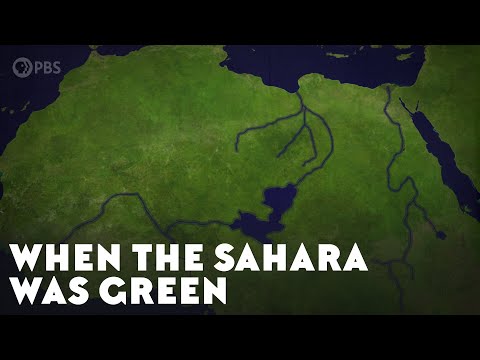
The 20,000 year journey of the Izon people starts here.Where did the Izon come from? For centuries, this question has haunted historians of West Africa. This documentary traces the complete origin story of the Izon nation from the Last Glacial Maximum 20,000 years ago, through the Green Sahara (African Humid Period) of 5000 BCE, to the rise and fall of their first city-state Agadagba-bou in the Niger Delta.Follow IJO, the ancestral father of the Izon, as climate change forces his people on an epic migration: from Nile Valley to Lake Chad down to the Middle Niger then Ile-Ife to Benin and finally the Niger Delta. Discover the ORU/Horu, the aboriginal Izon settlers of Ife who lived among other ancient groups before political unrest pushed them south to found the first undisputed Izon homeland on Wilberforce Island, Bayelsa State.This is the untold story of how the African Humid Period created and destroyed civilizations. A story of survival, identity, and the forgotten kingdoms of ancient Nigeria.CHAPTERS:00:00 The Question: Where Did The Izon Come From? Mythology 05:04 The Question: Where Did The Izon Come From? Archaeological perspective 08:23 Last Glacial Maximum: Proto-Ijoid in the Nile Valley09:03 The Bølling Allerød: Proto-Ijoid in the Nile Valley09:20 African Humid Period: The Green Sahara Migration10:26 Lake Chad, Lake Mega Chad & Middle Niger: 5000-2000 BCE10:55 End of the African Humid period 12:50 Ile-Ife & Benin: The ORU Aboriginals13:20 Political Unrest: The Exodus South13:38 Agadagba-bou: First Izon City-State in the Niger Delta14:00 Collapse & Legacy: What Happened Next#izonhistory #nigerdelta #africanhistory #greensahara #nigerianhistory #ancientafrica #ileife #beninempire #agadagbabou #ijo #oru #lastglacialmaximum #africanhumidperiod #wilberforceisland #bayelsa
https://www.abibitumi.com/prod....uct/intergenerationa
29th Annual International Sankɔfa Conference on ReAfrikanization and Nationbuilding
Dr. Ọbádélé Kambon – Nana Kwame Pɛbi Date I
April 7 2018 :|: 1:30 pm