- General Videos
- Music
- Economics
- Health
- Travel & Events
- History
- Psychology
- Spirituality
- Movies
- News & Politics
- Kmtyw Combat Sciences
- Ɔbenfo Ọbádélé Kambon Videos
- Ɔbenfoɔ Kamau Kambon: Black Liberation Philosophy
- Science, Tech, Engineering and Math
- Permaculture
- Self-Sustainability
- Living Off Grid
- Yoruba Language Learning
- Education
- Mmɔfra Adesua
- Nana Kamau Kambon Playlist
- Livestream
- Komplementarity Kouples and Revolutionary Singles
- Abibitumi Film Series
- Decade of Our Repatriation
- Live
Top videos


Dr. Wanjiru Kamau is a Kenyan born educator and social activist with a philosophical grounding in multiculturalism and gender equity. She holds a doctorate in Counselor and Health Education from Pennsylvania State University, and diplomas in Mediation and Intercultural Communication. She has extensive experience in Counseling, Teaching, Consulting and Diversity Training. She holds leadership positions, awards and honorary appointments. Kamau is the founder of African Immigrant & Refugees Foundation (AIRF) a nonprofit organization whose mission is to facilitate the effective transition of the African immigrants to the American society and to support their productive and sustainable integration into their new homeland. Dr. Kamau’s publications are on Identity, women’s health and indigenous knowledge. She has produced two videos: Kuumithio Rites of passage and a Child of Two Worlds, and a Book The Tapestry of Menopause by Agikuyu women is in the press. Kamau is passionate about creating peace based on UBUNTU. www.airfound.org
FORUM2023 Earth Democracy and the Rights of Nature
Presented online on Thursday 12 October, 2023
With Chief Arvol Looking Horse, His Holiness the Sakya Trichen, Dr. Vandana Shiva, Bill McKibben, Matthew Fox, and speakers from the UN, the White House, the Center for Democratic and Environmental Rights, the Religious Naturalism Movement and messages from Indigenous leaders on the Rights of Nature from around the world.
www.templeofunderstanding.org


In this compelling and thought-provoking interview, with Obenfo obadele Kambon, a prominent figure in African studies and the founder of Abibitumi. The discussion delves into the concept of Ubuntu and its implications, the effects of colonization on African spirituality and culture, and the importance of self-sufficiency and cultural preservation. Professor Obadele Kambon shares his personal journey, insights on African traditions, and the necessity of supporting black-owned businesses. Viewers will gain a profound understanding of the challenges and solutions related to African identity, culture, and independence.
Timestamps:
0:00 - Introduction to the concept of Ubuntu and its critiques
4:04 - Professor Obadele's background and the significance of his title
8:17 - The importance of wearing African-made clothing
12:19 - The misrepresentation of Indigenous African foods and traditions
19:01 - Conclusion and final thoughts on reclaiming African identity
22:18 - Understanding the influence of European colonizers on African spirituality
24:50 - Impact of African diaspora on African spirituality and black identity
26:39 - The relevance of spirituality to the African identity
28:31 - Africa’s spiritual guidance on preventing European domination
40:11: Critique of appropriation of Ubuntu by individuals with anti-black sentiments.
41:08: Elaboration on why certain groups are considered enemies.
42:02: Quotation from Malcolm X on self-hatred.
43:38: Explanation of media influence in psychological manipulation.
1:00:10 - Social impact of clothing
1:03:05 - Economic exploitation and manipulation
1:45:38 - Educating students on historical achievements, including Imhotep and ancient writing.
1:46:31 - Importance of diasporans reconnecting with African heritage.
1:48:23 - Critique of ideological mimicry and its impact on African identity.
1:48:59 - Unity among black people
1:53:47 - Embracing African identity as a unifying force.
1:54:32 - Advocacy for Black Liberation and sovereignty.
1:54:59 - Invitation to engage further through ABIBITUMI TV.
Guest info :Alternate Email: obkambon@staff.ug.edu.gh
+233249195150 / +19192836824 | me@obadelekambon.com
www.obadelekambon.com | www.abibitumi.com


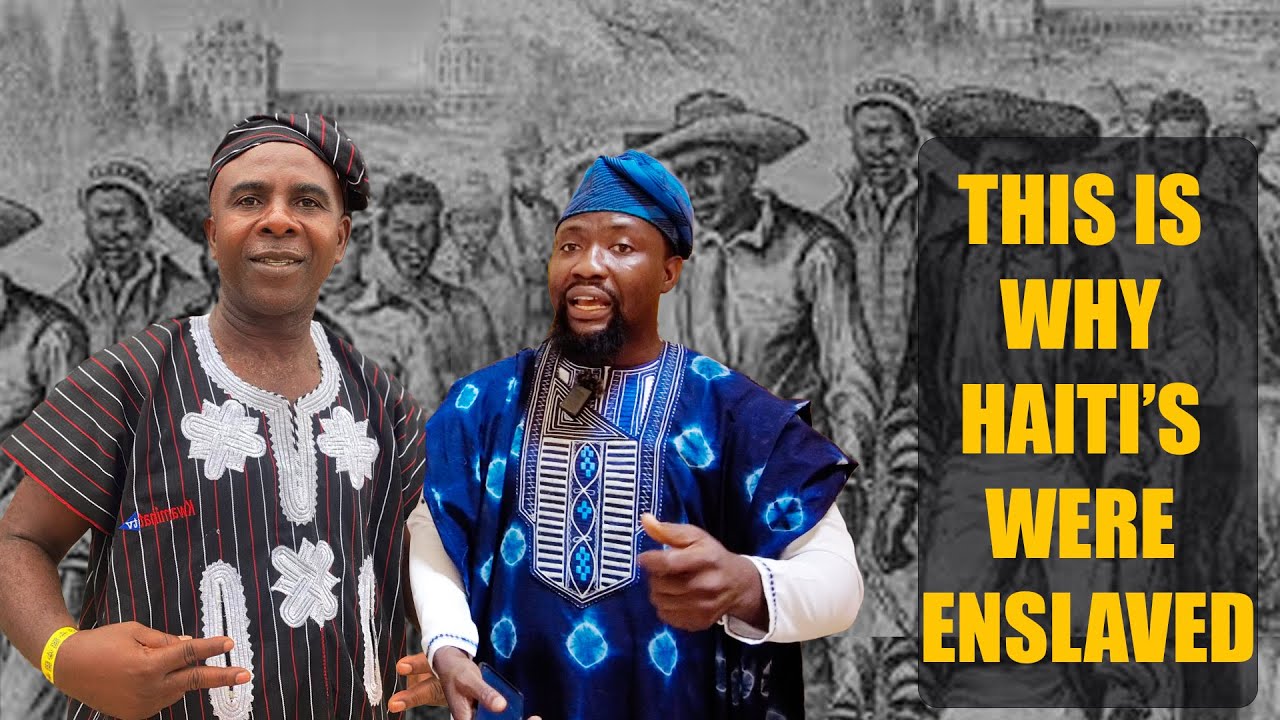

#abibitumiconference #obadelekambon #sj2023 #beyondthereturn #wodemaya #africatotheworld #africaunite Kwaminat tv is a channel that focused on promoting African businesses at home and abroad bringing Entertainment news talk to Intellectuals and changing the narrative of how the rest of the #world thinks about Africans living in #diaspora and #africans in Africa #subscribe and join our youtube family. let's grow by liking, sharing, and commenting.#beyondthereturn #africatotheworld