






- General Videos
- Music
- Economics
- Health
- Travel & Events
- History
- Psychology
- Spirituality
- Movies
- News & Politics
- Kmtyw Combat Sciences
- Ɔbenfo Ọbádélé Kambon Videos
- Ɔbenfoɔ Kamau Kambon: Black Liberation Philosophy
- Science, Tech, Engineering and Math
- Permaculture
- Self-Sustainability
- Living Off Grid
- Yoruba Language Learning
- Education
- Mmɔfra Adesua
- Nana Kamau Kambon Playlist
- Livestream
- Komplementarity Kouples and Revolutionary Singles
- Abibitumi Film Series
- Decade of Our Repatriation
- Kwento xpr
- Live
Top videos


Namibia: A Country Divided | Free Documentary
Mumbai - A Tale of Contrasts: https://youtu.be/t6Rv1jwfGi4
Namibia has the third highest levels of income inequality in the world. 6% of the population own 70% of the land and here, the wounds of German Colonisation run deep. Between 1904 -1908, the Germans established concentration camps where the indigenous Herero and Nama people were interned. Up to 80% of them died in what Germany later recognised as the first genocide of the 20th Century. While the descendants of these victims, like Karvita, live on illegal settlements in constant fear of eviction, the descendants of these colonists continue to own most of the land and have no problem justifying their inheritance.
Most of Namibia’s vast natural resources are owned or controlled by foreigners. The diamond industry is dominated by DeBeers and the ruling Swapo party, widely seen as corrupt, is propped up by its historic ally: China. The construction and uranium industries are controlled by the Chinese and documents leaked in 2021 revealed that North Korea was illegally subcontracted to build the country’s State House.
Most of the country is sparsely populated, enabling nature to flourish. It’s home to one to one of the greatest wildlife populations in the world, including the only free roaming black rhinos. But these animals are constantly threatened by Chinese mafia while global warming is increasing desertification, threatening indigenous communities.
▬▬▬▬▬▬▬▬▬
Subscribe Free Documentary Channel for free: https://bit.ly/2YJ4XzQ
Instagram: https://instagram.com/free.documentary/
Facebook: https://bit.ly/2QfRxbG
Twitter: https://bit.ly/2QlwRiI
▬▬▬▬▬▬▬▬▬
#freedocumentary #documentary #namibia
▬▬▬▬▬▬▬▬▬
Free Documentary is dedicated to bringing high-class documentaries to you on YouTube for free with the latest camera equipment used by well-known filmmakers working for famous production studios. You will see fascinating shots from the deep seas and up in the air, capturing great stories and pictures of everything our extraordinary planet offers.
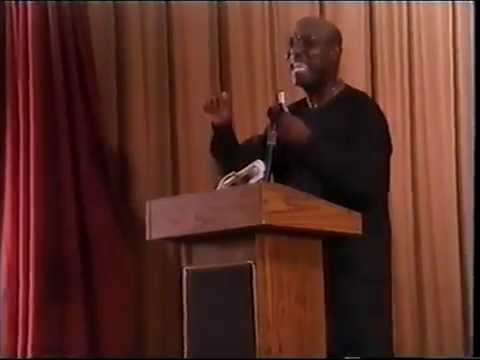


SPECIAL EDITION - HAPI Talks Celebrates the Life of Malcolm X with Prof. James Small
Please visit www.hapifilm.com to get a copy of the Groundbreaking documentary film HAPI and all the latest HAPI gear.
Don't forget to LIKE, SHARE & SUBSCRIBE to our channel so that we can continue to bring you excellent programming.
Cash app: $hapifilm


#africanews #china
when the military leaders of the Sahel came into power, Western Media said that they were replacing the West with Russia and China. They said that they are replacing one colonized with another. This is because since they came into power, the military juntas have distanced their countries from the West and drawn closer to Russia and China. But what the West does not know is that these leaders value their sovereignty above anything. In a recent move that has shocked everyone, General Tiani, the military leader of Niger, gave officials of three Chinese companies to leave the country in 48 hours. This is proof that the military leader of Niger is not succumbing to the influence of China. But why exactly did he send them packing? What did they do? Let's find out.
It would interest you to know that China was one of the countries that supported Niger after the coup led to condemnation from the West. According to a former minister of Niger, one of the reasons why General Tiani was able to stand his ground and resist Western sanctions was because China supported Niger. China, with its non-interference policy, made it a preferred choice of partner for Niger, Mali and Burkina Faso. Unlike the West which loves to interfere and play the hero in the affairs of Africa, China prefers a mutually beneficial relationship without any form of interference in the affairs of the host countries. It is this attribute that has pushed African countries farther away from their traditional partners, the West, and closer to China and Russia.
In April 2024, Niger state television announced that the military junta of Niger signed a 400 million dollar deal with a Chinese state-owned oil giant as part of its plan to “diversify international partnerships'' after cutting ties with France and the United States. The agreements, signed by Niger's Prime Minister, Ali Mahaman Lamine Zeine, and CNPC Chairman Zhou Zuokun, provide for the joint marketing of Niger's crude oil.


The only thing more Bizarre than a Massive network of Lakes, Rivers and even a DENSE FOREST the size of Texas in the middle of the Sahara Desert - Along with numerous cities, settlements and even Castles blanketing virtually the entire region of the Sahara…Is the realization that these Lost 600 year-old maps literally annotate these geological features Several thousand years prior to their modern Scientific discovery. How could they have possibly known of the existence of the Green Sahara 5,000 years before us?
I'm Jimmy Corsetti, and my channel is called Bright Insight.
Follow and Support me on these other platforms where I can more freely speak my mind and share Truth!
https://brightinsight.locals.com/support
https://www.subscribestar.com/bright-insight
https://www.patreon.com/BrightInsight
Instagram: https://www.instagram.com/bright_insight/
Twitter: https://twitter.com/BrightInsight6
Rumble: https://rumble.com/c/BrightInsight
Odysee: https://odysee.com/@BrightInsight:c
TikTok: https://vm.tiktok.com/ZM8u3XBhL/
Or, Tip me on Venmo! @bright_insight
Must see Podcast I had with Danica Patrick! https://youtu.be/Nihxp-Vkk-U
Check out my podcast with Joe Rogan for FREE on Spotify: https://open.spotify.com/episo....de/1dELONn67xCHBPpWY


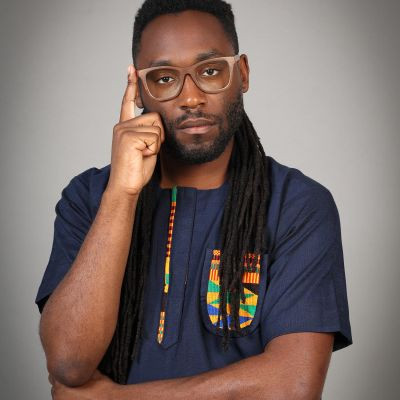
‼️WATCH THE FULL UNCENSORED INTERVIEW WITH 'DR. TALAWA ADODO' NOW‼️
https://ineverknewtv.com/premium/
👕 Get Your 'EDUCATE, INFORM, INSPIRE' T-SHirt NOW:
https://ineverknewtv.com/shop-2/
Watch more reasonings from Dr. Okunini Talawa Adodo:
Pt.1 https://youtu.be/vO99qp65bQY
Pt.2 https://youtu.be/219dJCtA6QE
Dr. Okunini Talawa Adodo is a Jamaican Pan-Afrikanist scholar who focuses on Afrikan history, Afrocentric theory, and Afrikan language.
In Part 3 of this insightful reasoning, Dr. Okunini Talawa Adodo explores the fetishization of Black men and the rise of sex tourism in countries like Jamaica. He unpacks the deeper social, psychological, and economic dynamics that fuel these relationships and how they impact Black male identity and self-worth.
🎧 Catch 'I NEVER KNEW RADIO
for Roots, Rock, Reggae Music!
Hosted by Jr a.k.a 'The Bald Head' of 'I Never Knew TV'
📅 Sundays: 9 - 11 AM EST
📅 Wednesdays: 8 - 10 AM EST
📅 Thursdays: 10 AM - Noon EST
Listen live: https://wloy.org/listen/
#ineverknewtv

Join the Patreon for daily drops, unfiltered content, and full access: https://www.patreon.com/NTD1814
S U P P O R T
Cash App - $NelsonAmadeus
PayPal- GlobalHitsWorld@gmail.com
EMAIL - KingNeferkare@gmail.com
Twitter @NTDessalines
Instagram @NelsonAmadeus
TURN ON POST NOTIFICATIONS.


Don't forget to subscribe: https://bit.ly/2Hb8hjx
Watch more interesting videos: https://bit.ly/34ogCaw
Follow Channels Television On:
Facebook: https://www.facebook.com/channelsforum/
Twitter: https://twitter.com/channelstv
Instagram: https://www.instagram.com/chan....nelstelevision/?hl=e
Get more news on our website: https://www.channelstv.com/
#ChannelsTv
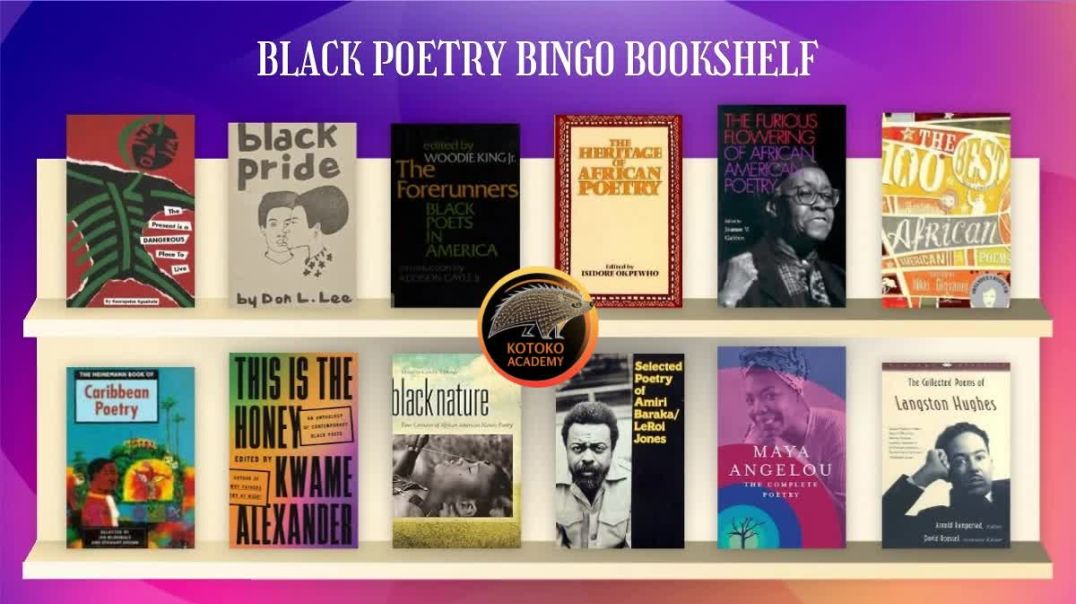
Okay, team! Pre-game for Black Poetry Bingo starts NOW. 🎯 The mission:
Time to dust off those anthologies and find your new favorite poet. ✨
Think of them as your ultimate cheat sheet. A few heavy hitters:
👉🏿 “The 100 Best African American Poems: A Black Poetry
Collection” by Nikki Giovanni
👉🏿 “This Is the Honey: An Anthology of Contemporary Black
Poets” by Kwame Alexander
👉🏿 “The Present is a Dangerous Place to Live” by
Keorapetse Kgositsile
📌 Pro Tip: You can purchase these from a
Black-owned bookstore OR reserve them at your local library. Support
your community, expand your mind!
#blackpoetrybingo #readmorepoetry #Bookstagram
#BlackOwnedBookstores

In 1953, Britain and the CIA orchestrated one of the most consequential covert operations in modern history — the overthrow of Iran's democratically elected Prime Minister, Mohammad Mossadegh. His crime? Nationalizing Iran's oil industry and demanding that his country's most valuable resource belong to its own people.
What followed was a masterclass in imperial manipulation: economic warfare, naval blockades, propaganda campaigns, bribed journalists, paid mobs, and a rogue CIA operative who ignored direct orders to abort the mission. The operation destroyed Iran's democracy, installed an authoritarian monarch backed by a brutal secret police, and set in motion a chain of events that led directly to the 1979 Islamic Revolution, the hostage crisis, and decades of hostility between Iran and the West that continues to this day.
This is the full story — from the exploitative oil concession of 1901 that handed nearly half a million square miles of Persian territory to a single British financier, to the boardrooms of BP and the backrooms of the CIA, to the tanks rolling through the streets of Tehran. It's a story about oil, power, and what happens when a nation's sovereignty stands in the way of corporate profits.
The CIA didn't publicly acknowledge its role for 60 years. This video explains why.
Sources and further reading:
— "All the Shah's Men" by Stephen Kinzer
— Declassified CIA documents on Operation TPAJAX (National Security Archive, George Washington University)
— "Mohammad Mosaddeq and the 1953 Coup in Iran" by Mark Gasiorowski and Malcolm Byrne
— Britannica: 1953 Coup in Iran
— Council on Foreign Relations: U.S. Relations with Iran Timeline
If this video changed how you see the history of the Middle East, subscribe and share it with someone who needs to hear this story.
#iran1953 #operationajax #ciacoup #mossadegh #britishpetroleum #oilpolitics #coldwar #middleeasthistory #geopolitics #foreignpolicy #regimechange #iranhistory #bp #mi6 #cia #imperialism #oilindustry #irancoup #modernhistory #powerandmoney
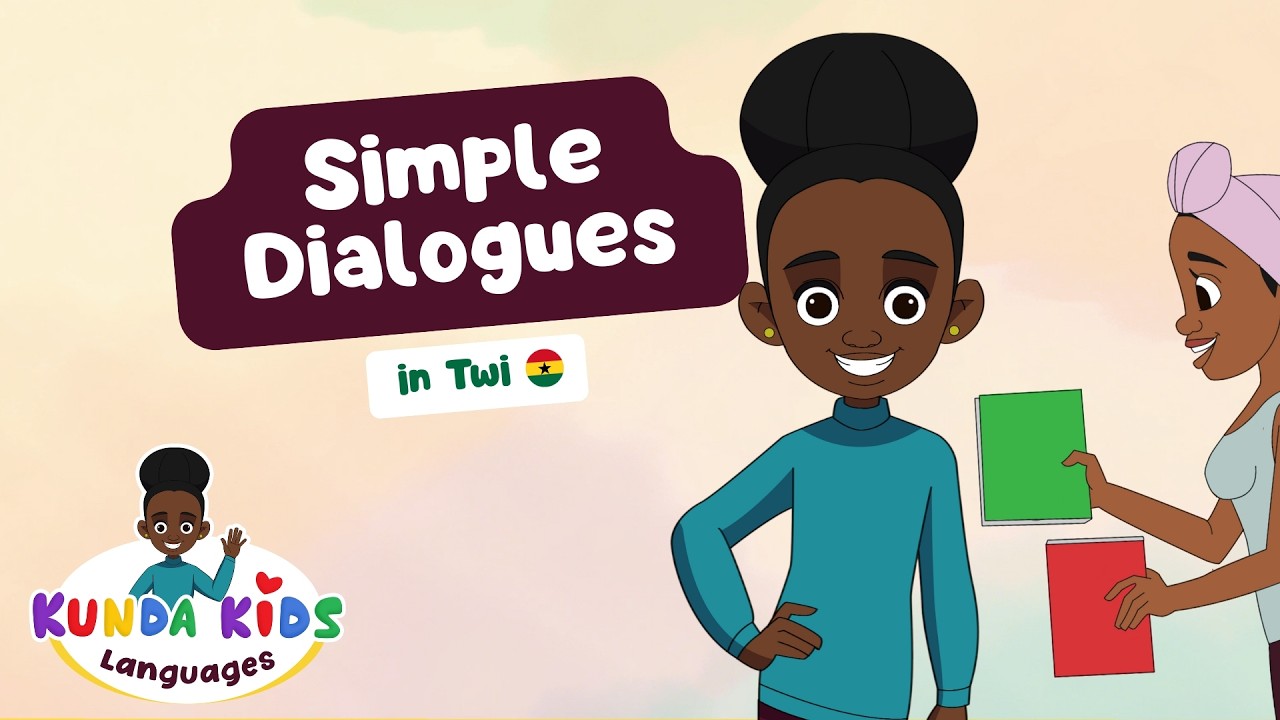

Start your day with Twi! In this lesson, Kunda Kids teaches your child how to have their very first conversation in Twi. We move beyond single words into simple dialogues and essential greetings that you can use every morning!
THE CHALLENGE: Do you know the Twi phrase for "Good Morning"? Watch the video to see if you can guess it before the timer runs out!
In this lesson, we cover:
Morning, Afternoon, and Evening greetings
How to ask "How are you?" and respond
Native Twi pronunciation for kids and beginners
Real-life conversation practice for families
📖 Dialogue Practice:
Good Morning — M'akye (Response: Yaa agya/ena) ☀️
How are you? — Wo ho te sɛn?
I am fine — Me ho yɛ
Subscribe to Kunda Kids Languages for more interactive Twi lessons, African stories, and cultural adventures! 🌍✨
ABOUT KUNDA KIDS 🌟
Kunda Kids is an award-winning children's publishing, ed-tech and media company based in London, UK. Founded in 2020 by Oladele and Louisa Olafuyi, Kunda Kids aims to showcase African edutainment, with various elements of African culture in creative, fun, and simple formats for children.
Discover more at www.kundaandfriends.com
Social Media @kundaandfriends
.
.
.
.
RELATED VIDEOS:
Bath Song in Twi Akan | Edware3 Nyoum | Twi Baby Song | Akan Nursery Rhyme
https://youtu.be/4_g3RoS7sDE?si=NL45xq10Y__niiYE
Nnawɔtwe | Days of the Week in Twi for Kids | Twi Nursery Rhyme
https://youtu.be/xJHZAwN2UwE?si=HzkxE_J-umB3LZa_
Twi Lesson 1, Level 1
https://youtu.be/XQutk9Toy-I?si=8V436MH-EhJ3tHUo
Learn Numbers | Twi Numbers 1-10 | Counting - Twi for Kids | Nana's African TV
https://youtu.be/gvd1pqkqPYU?si=XN7kCkQAV9VRx9Pu
Twi for Kids: Twi Alphabet Lesson - Learn to Speak Twi
https://youtu.be/eVCAucCH7AA?si=f1gnZRrmctT59XZ6
#learnafricanlanguages, #africanlanguages, #speakafrican, #africanculture, #languagelearning, #learnyoruba, #learnswahili, #learnigbo, #learntwi, #learnzulu, #learnhausa, #learnamharic, #learnwolof, #learnshona, #africandiaspora, #africanheritage, #africanroots, #africaneducation, #africanstorytelling, #africanidentity, #multilingualafrica, #africanlearning, #africanlanguagelessons, #africanpride, #culturaleducation, #learnwithme, #africanwords, #africangreetings, #languagechallenge, #africanlanguagesmadeeasy