







- General Videos
- Music
- Economics
- Health
- Travel & Events
- History
- Psychology
- Spirituality
- Movies
- News & Politics
- Kmtyw Combat Sciences
- Ɔbenfo Ọbádélé Kambon Videos
- Ɔbenfoɔ Kamau Kambon: Black Liberation Philosophy
- Science, Tech, Engineering and Math
- Permaculture
- Self-Sustainability
- Living Off Grid
- Yoruba Language Learning
- Education
- Mmɔfra Adesua
- Nana Kamau Kambon Playlist
- Livestream
- Komplementarity Kouples and Revolutionary Singles
- Abibitumi Film Series
- Decade of Our Repatriation
- Kwento xpr
- Live
Top videos
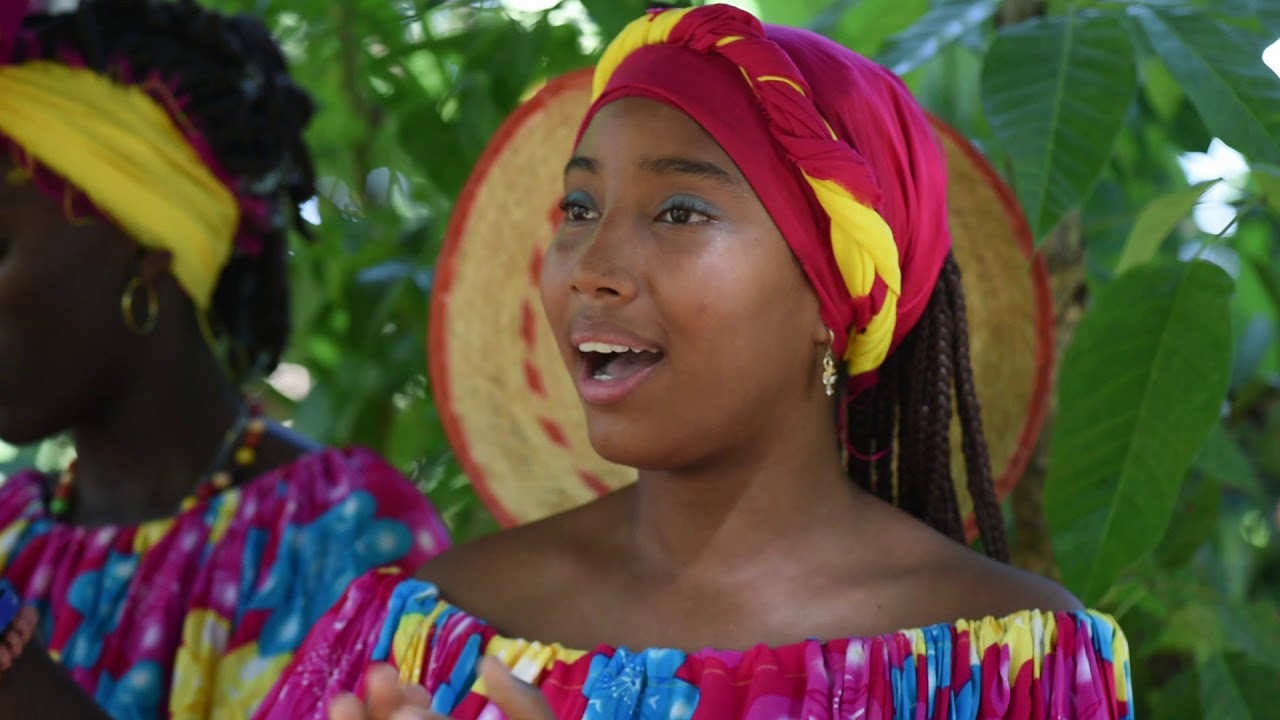
This is Bullerengue, a rich Black genre made by the Abibifoɔ of Caribbean 'Colombia' and the Darien province of 'Panama'. It is known for being one of the Diaspora genres for retaining most of its Abibiman heritage.
Original video info:
Achicanoa presents: El Pescador by El Buda Afro Tambó Written by/ Escrita por: Alexis Castro Gonzales y Luis Alfonso ValenciaVideo directed by Esteban CardonaSound engineer/ingeniero de sonido: Matias Duarte and Esteban Cardona Mixed by/mezclado por: Esteban Cardona Mastered by/ Masterizado por: Luis Bonilla Dop/Dirección de fotografía: Miguel Delgado GPostProducción: Miguel Delgado GRecorded in /grabado en María la Baja, Bolivar, Colombia. 7/12/2019#bullerengue #bailescantados #Tradición #folclor #afrocolombia #tambor


This Is What Recolonization Looks Like | Dr Franklin Nyamsi Warns Africa at AES Conference. United States of Africa
🌍 Discover the powerful vision for a new era of African independence and sovereignty. In this detailed report, Dr. Franklin Yamsy addresses the Alliance of Sahel States (AES) and outlines the critical steps needed for the continent to achieve political, economic, and intellectual freedom. It is time to explore the African truth from the perspective of Africans themselves.
✨ This keynote address dives deep into the definitions of terrorism, exploring how neocolonization and imperial interests continue to shape the landscape of the Sahel. Dr. Yamsy examines the overlap between Africa's strategic resources and areas of conflict, providing a scientific and historical look at why certain regions face ongoing instability. From the role of international organizations like NATO to the importance of regional integration, this video provides a comprehensive look at the challenges and opportunities facing a united Africa.
📚 Key topics covered include the fight against intellectual terrorism, the impact of media propaganda, and the necessity of a spiritual return to African roots. Dr. Yamsy highlights the importance of the AES as a laboratory for liberation and discusses the collective responsibility of intellectuals and citizens alike to defend the pan-Africanist narrative. Whether you are interested in geopolitics, history, or the future of pan-Africanism, this report offers essential insights into the movements currently transforming the continent.
🕒 Chapters
0:00 Intro and Vision for a United Africa
2:15 Saluting the Leaders of the AES
4:45 Defining Terrorism and Imperialism
7:30 The Different Faces of Imperial Terrorism
10:15 Media Propaganda and Terror Journalism
13:30 Economic Control and Religious Terrorism
16:15 Mapping Resources and Conflict Zones
19:45 NATO and the Destabilization of Libya
23:00 Exposing the Funding of Terrorist Groups
25:30 The Battle for the African Mind and Spirit
27:10 Final Thoughts and Call to Action
💬 We want to hear from you! What do you think about the future role of the Alliance of Sahel States? What practical steps should be taken to strengthen unity across the continent? Leave your answers in the comments below.
📢 If you believe in a stronger Africa, please subscribe to our channel, like this video, and share this report on WhatsApp, Telegram, and other social platforms. Together, we can connect Africans across the world.
#africa #aes #sovereignty #panafricanism #independence


http://www.connectingforchange.org
When most westerners think about gifts, the exchange of material goods, is the image that is most familiar. Little time and attention, however, is given to finding and embracing the gift -- the real reason we are born in this world. As a result most of us cannot make sense of the various events in our life. Drawing on Dagara wisdom, this talk brings to light how everyone has a personal gift that is vital to the well being of the individual and the community.
Sobonfu Somé is a respected author, lecturer, activist and one of the foremost voices in African spirituality. She travels the world on a healing mission, sharing the rich spiritual life and culture of her native land Burkina Faso, West Africa. She is the founder of Wisdom Spring, Inc. an organization dedicated to the preservation, the sharing of indigenous wisdom and organizes fundraisers for wells, schools and health project in Africa. She is the author of The Spirit of Intimacy, Welcoming Spirit Home, Falling Out of Grace and the CDS set Women's Wisdom from the Heart of Africa. Sobonfu's message about the importance of spirit, community, and ritual in our lives rings with an intuitive power and truth that author Alice Walker has said "can help us put together so many things that our modern Western world has broken."




#drmaat #mothers #mothersday #ittakesavillage #myvillage #blackmothers #blackwomen #children #blackchildren #education #realeducation #educators
GET EDUCATIONAL PRODUCTS FOR YOUR CHILDREN HERE:
https://edanimeproductions.com/shop
CONNECT WITH ME ON FACEBOOK: https://facebook.com/droyaadwoamaat
CONNECT WITH ME INSTAGRAM:
https://www.instagram.com/dr.maat_/
EMAIL ME:
dr.maat.msu@gmail.com
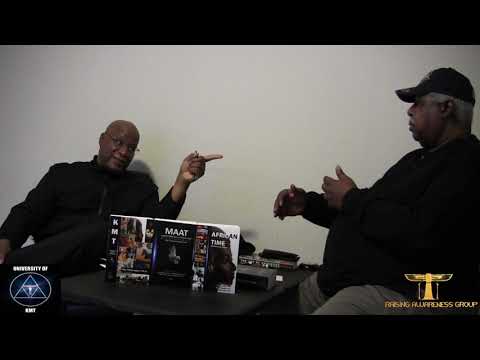

Elder Mkuu Mzee for the Raising Awareness Group and Dr. Tdka Maat Kilimanjaro for the University of Kmt Press discuss various topics centered around the importance of educating our Afrikan youth. Topics included the Expanded Edition of the book "Maat".
sbA Tdka Maat Kilimanjaro suggests that we all read the great living scholar (that's right, he's still alive) Ayi Kwei Armah's works. We should especially dive into the three works we reference in the conversation, Two Thousand Seasons, The Healers and Kmt in the House of Life.
The discussion continues with the new full color volume release of "Kmt Indigenous Afrikan Population", the "Expanded Edition of Afrikan Time" and many other interesting perspectives. The discourse was a lively one.
Books for the great Elder Ayi Kwei Armah can be purchased here: http://stores.bbkwan.com/?fbcl....id=IwAR33FJZ6v53Aa5t
Univ of KMT Press library can be found and purchased here:
https://books-by-ukmt-press.my....shopify.com/?fbclid=
Visit our website: www.raisingawarenessgroup.com for more interesting content, articles and community news.
Drop us an email at RaisingAwarenessGrp@gmail.com if you have any questions, concerns or comments. We look forward to hearing from you.
"What are you building?".
Abibifahodie!


CBS News traveled across Ghana's remote cocoa belt and found children working on small subsistence farms that supply U.S. chocolate giant Mars. Foreign correspondent Debora Patta reports.
#news #mars #ghana
CBS News Streaming Network is the premier 24/7 anchored streaming news service from CBS News and Stations, available free to everyone with access to the Internet. The CBS News Streaming Network is your destination for breaking news, live events and original reporting locally, nationally and around the globe. Launched in November 2014 as CBSN, the CBS News Streaming Network is available live in 91 countries and on 30 digital platforms and apps, as well as on CBSNews.com and Paramount+.
Subscribe to the CBS News YouTube channel: https://youtube.com/cbsnews
Watch CBS News: https://cbsn.ws/1PlLpZ7c
Download the CBS News app: https://cbsn.ws/1Xb1WC8
Follow CBS News on Instagram: https://www.instagram.com/cbsnews/
Like CBS News on Facebook: https://facebook.com/cbsnews
Follow CBS News on Twitter: https://twitter.com/cbsnews
Subscribe to our newsletters: https://cbsn.ws/1RqHw7T
Try Paramount+ free: https://bit.ly/2OiW1kZ
For video licensing inquiries, contact: licensing@veritone.com

The Milwaukee County Sheriff's Office confirmed Robinson's DNA matches a severed leg found in Cudahy.
Subscribe to WISN on YouTube now for more: http://bit.ly/1emE5YX
Get more Milwaukee news: http://www.wisn.com
Like us: http://www.facebook.com/wisn12
Follow us: http://twitter.com/WISN12News
Instagram: https://www.instagram.com/wisn12news/


Kwame Nkrumah was the leader of Ghana from independence until his deposition by a CIA-back coup d'etat in 1966, as well as one of the principal political and philosophical leaders of the Pan-African movement. While friendly with countries such as the Soviet Union, Nkrumah's Ghana was part of the non-aligned movement, and Nkrumah's political philosophy is typically described as a syncretic mixture of Marxism and traditional African cultural ideas.
While the defeats of socialist experiments in West African countries like Ghana and Guinea-Conakry urge reflection on the successes and failures of these ideologies and movements, Nkrumah remains a key figure in the history and competing ideologies of African liberation movements, and thus he, and Neo-Colonialism: The Last Stage of Imperialism, his most famous work, merit study in order to enrich our understanding of African history.
You can read a version of this text here:
https://archive.org/details/Ne....oColonialismTheLastS
I collect no fees or advertising money by sharing readings of important texts. If you would like to help cover the costs of equipment, hosting fees, and materials to allow me to continue sharing revolutionary, anti-imperialist, and anti-colonial writings, you can become a Patron at:
https://www.patreon.com/natu_r....eads?fan_landing=tru