





- General Videos
- Music
- Economics
- Health
- Travel & Events
- History
- Psychology
- Spirituality
- Movies
- News & Politics
- Kmtyw Combat Sciences
- Ɔbenfo Ọbádélé Kambon Videos
- Ɔbenfoɔ Kamau Kambon: Black Liberation Philosophy
- Science, Tech, Engineering and Math
- Permaculture
- Self-Sustainability
- Living Off Grid
- Yoruba Language Learning
- Education
- Mmɔfra Adesua
- Nana Kamau Kambon Playlist
- Livestream
- Komplementarity Kouples and Revolutionary Singles
- Abibitumi Film Series
- Decade of Our Repatriation
- Kwento xpr
- Live
Top videos


Description: White worship is the irrational idolization of White and Western features, ideals, values and cultures that cause Asians to view themselves as inferior. This video explores the dangers of White worship, the 8 key factors causing White worship in the Asian community, and 7 ways for Asians to break free from the shackles of White worship and internalized racism.Remember, there are positive, negatives and similarities in all societies past and present. And there is a huge difference between appreciation and worship. Strive to be objective while keeping an open mind and develop a diverse worldview. Only then will society move forward in a direction that benefits all.Chapters:00:00 The Dangers of White Worship03:31 8 Factors Causing White Worship in the Asian Community15:37 7 Ways to End White Worship in the Asian CommunityAlternative Titles:- Why Asians Worship White People- White Worship in the Asian Community- Ending White Worship in the Asian Community- The Cancer Within the Asian Community- The Problem Destroying the Asian CommunityP.S. Here's the link to my free newsletter again - https://hanswhy.com/newsletter
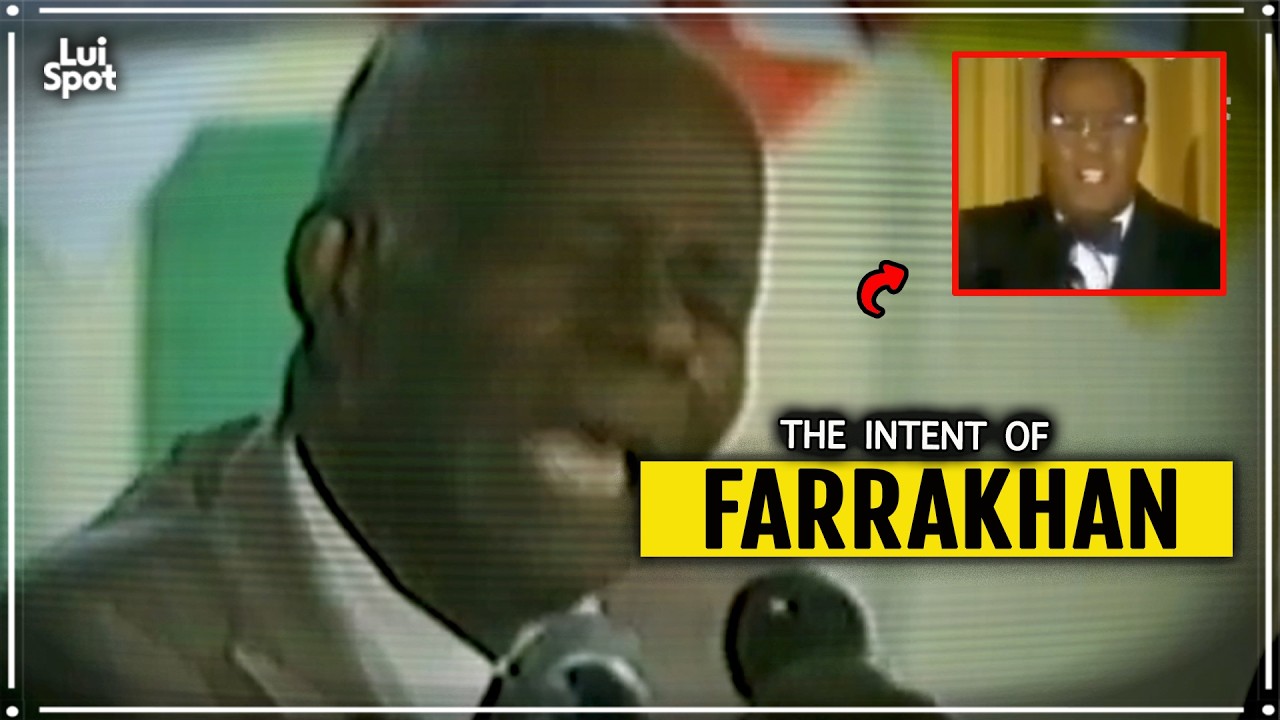

Dr. John Henrik Clarke speech Lecture on minister Louis Farrakhan.
Check Out My Patreon Page for more highly sought rare videos archived in depth and length through the link - https://www.patreon.com/cw/luispot
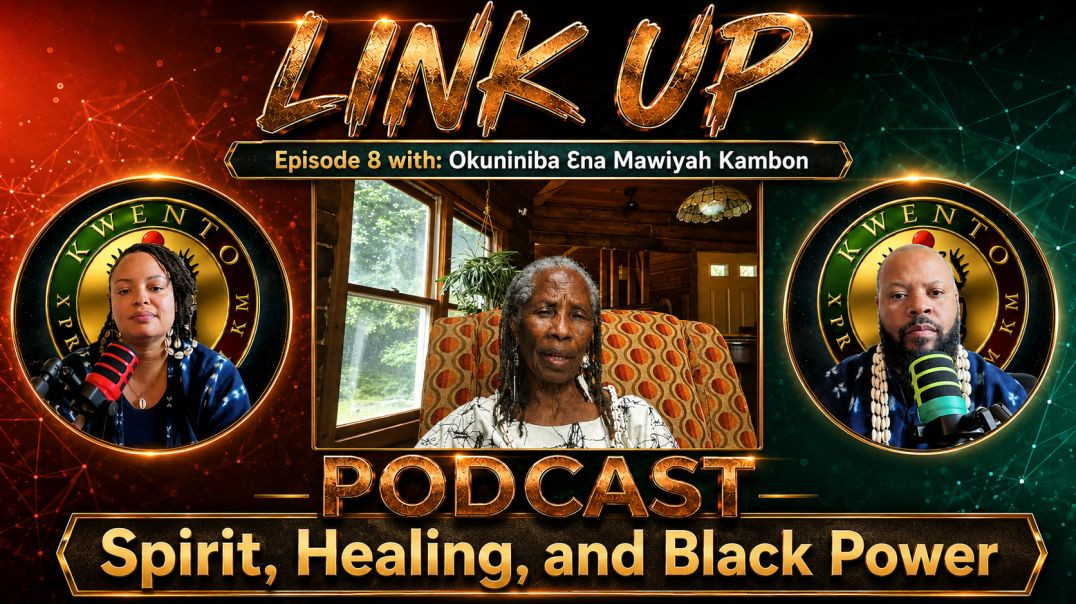
Some have given up hope. Others are staying the course.
The Historic African Diaspora Town Hall Meeting in Ghana was powerful, urgent, and full of forward movement.
Held at the University of Ghana’s Institute of African Studies, this gathering brought together Historic Diasporans, Ghanaians, dual citizens, organizers, scholars, media professionals, community vendors, and supporters for a timely conversation about Ghana citizenship, repatriation, reparatory justice, representation, and what meaningful Diaspora engagement in Ghana should actually look like.
This was not just another discussion about “coming home.” It was a serious public conversation about what Historic Diasporan belonging in Ghana must mean in practice — including clearer pathways to citizenship, stronger feedback mechanisms, better communication with government, and a more solid place for Historic Diasporans in national life.
Over the next four weeks, the work will continue. Organizers will be reviewing and aggregating feedback from the town halls, identifying recurring public priorities, refining policy recommendations, and preparing next steps for public engagement and stakeholder dialogue. Participants can look forward to a clearer summary of what was raised, stronger public messaging around representation and accountability, and continued efforts to move the conversation from symbolism to structure.
The support for this event was exciting and encouraging. Coverage and participation included GBC, Kantanka TV, Metro TV, Star FM, bloggers, and other media voices, reflecting growing national interest in Historic Diasporan return, Ghana immigration policy, and the future of African Diaspora engagement. Several community vendors also came out to support, helping make the event feel grounded, visible, and community-centered.
As interest in moving to Ghana, gaining Ghana citizenship, and building stronger ties between Ghana and Historic Diasporans continues to grow, this town hall made one thing clear: people want more than inspiration. They want meaningful inclusion, practical systems, and a real seat at the table.
#ghanacitizenship #historicdiasporans #diasporaengagement #blackagendagh

Across ancient Kmt (Egypt) and early Christianity, sacred images carry hidden stories.
In this video, we explore the striking visual and symbolic parallels between Isis and Horus and Mary and Jesus—from posture and iconography to titles, theology, and cultural transmission.
Was the image of the Virgin Mary shaped by older Kmtyw (Egyptian) spiritual traditions?
What does “Aisat Mari Amen” mean, and why does it echo across time?
This is not an attack on faith, but a historical and symbolic exploration of how civilizations influence one another—and how ancient ideas are reborn in new forms.
Watch with an open mind as we trace how Isis became Mary.
#howisisbecamemary
#aisatmariamen
#africanhistory
#ancientegypt
#hiddenhistory
#comparativereligion
#esoterichistory
#egyptianspirituality
#originsofchristianity
#sacredfeminine
#isisandhorus
#maryandjesus
#africancivilization
#forgottenknowledge
#historyunfiltered
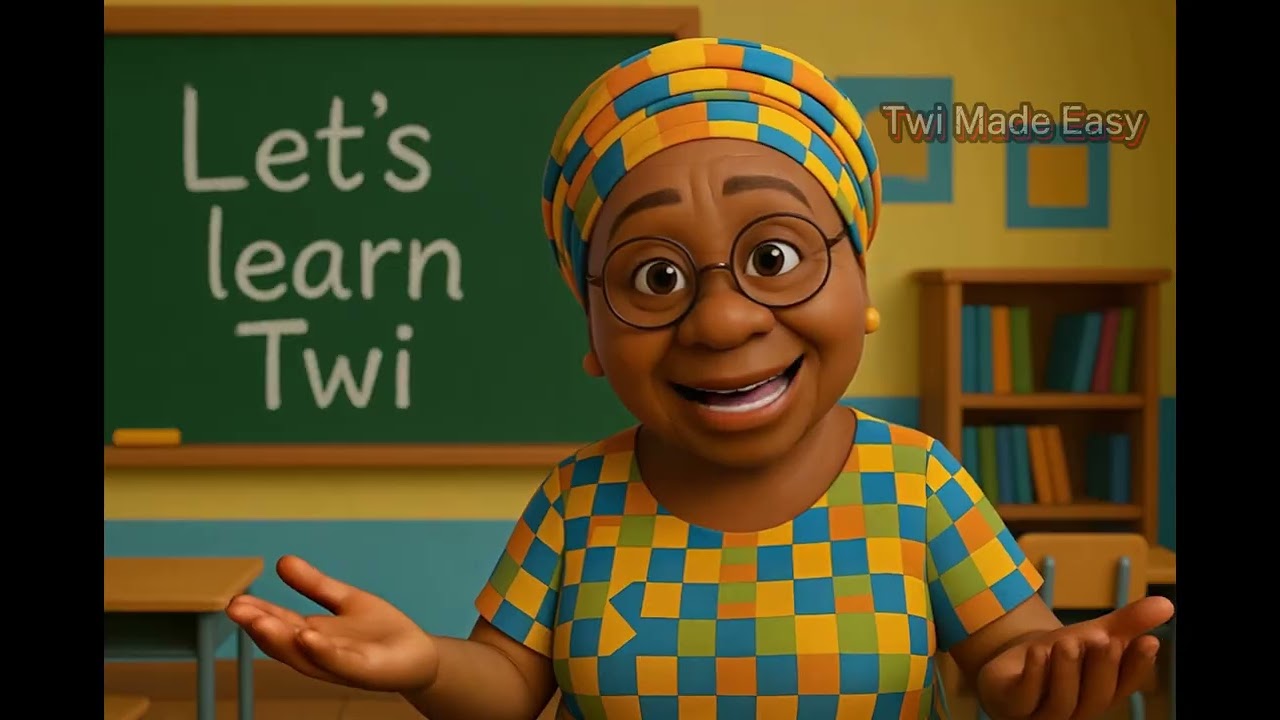




A MOTHER'S DAY FAVORITE by Yoruba for Kidz. ( @yorubaforkidz).
Learning Yoruba is so much more fun with Yoruba For Kidz!
Become a Member on our Website, www.yorubaforkidz.com to get other videos and other fun Yoruba Resources, like Games, Lessons, printable, worksheets, Recipes , Singalongs and much more! See you there!
Iya Ni Wura- Yoruba Edition© copyright 2018-2021 Oodles of Fun Kids Co. All Right Reserved.

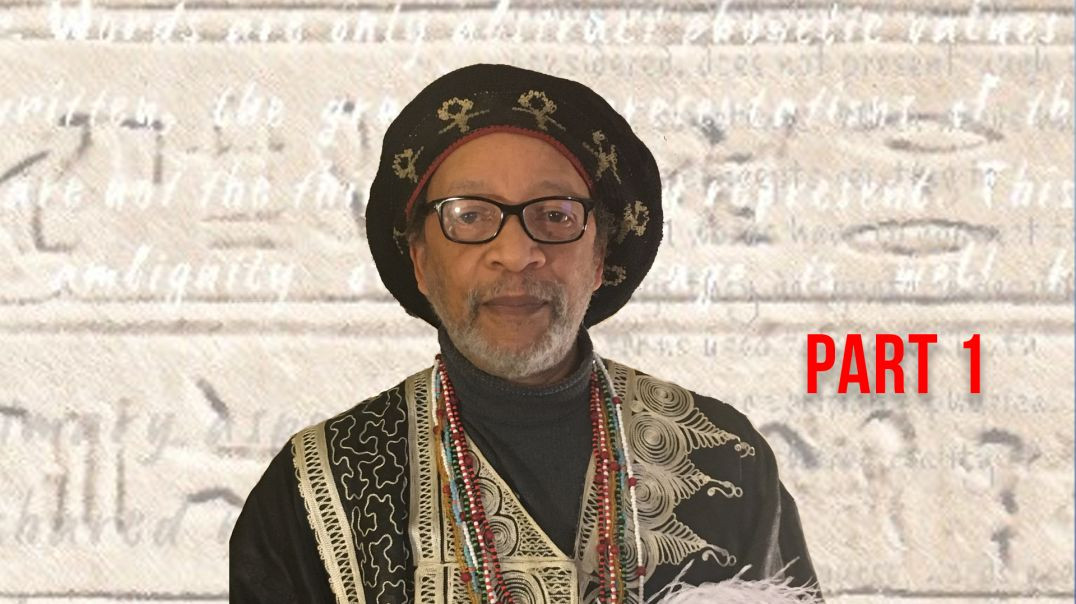

A conversation with Seba Bonotchi Montgomery about his history, journey, and life experiences.
Find out more about Seba Bonotchi
Books - https://www.lulu.com/shop
Lectures - https://www.abibitumi.com/shop
https://abibitumitv.com/search?keyword=bonotchi
Abibitumi Group - https://www.abibitumi.com/grou....ps/scholarship-of-ba
Cashapp - $bonotchi

Contribute to Abibitumi Kasa http://www.abibitumi.com/crowdfund
Dr. Kwaw "Andreas Woods" Imana - valedictorian at Morehouse back in 2000 - beautifully articulating his reasons for rejecting the Rhodes Scholarship. He rejected Cecil Rhodes, the shame of the Rhodes Scholarship and he also rejected the Rhodes Scholarship for himself as the historical record attests (and which is known to me as I know him personally). He got a 4.0 majoring in mathematics and went on to become the first Black man in the history of the US to get a PhD in Egyptology focusing on a Demotic text. He now teaches Mdw Ntr (Ancient Egyptian Hieroglyphs), among other subjects, at Howard University.
He spoke right before Nima Warfield -- Morehouse College's first Rhodes Scholar who received the Rhodes Scholarship previously in 1994 -- who had come to the 2000 graduation to deliver a speech. Imana's speech caused Warfield to have to ditch his prepared speech altogether out of embarrassment.


The racial and geographical origins of the ancient Egyptians have been a mystery since Champollion deciphered the hieroglyphs in 1822. The prevailing consensus is that the ancient Egyptian civilisation was home-grown on the Nile Valley. But new discoveries in the Egyptian Sahara will challenge this consensus, and show that the origins of the pharaohs hark back several thousands of years before the foundation of the dynastic period (c.3000 BC) and, furthermore, that the first 'Egyptians' were from a black Sub-Saharan race coming from the Tibesti mountains in northern Chad some 12,500 years ago. The oldest known 'astronomical' megaliths in the world,those of of Nabta Playa are examined in this presentation.Born in Egypt in 1948, Robert Bauval, bestselling author of The Orion Mystery (1994), Keeper of Genesis (1996) and three books with best-selling author Graham Hancock (The Message of the Sphinx, Talisman, and The Mars Mystery), presents evidence published in the book, Black Genesis, (co-authored with US physicist Thomas Brophy). http://www.robertbauval.co.ukFilmed at WCCSG Conference, August 2011, Wiltshire by Hugh Newman & Jonathan Adams.Copyright Megalithomania/Pentos TV 2011. All Rights Reserved.PAL & NTSC format. Box-Sets & Previous Years DVDs available athttp://www.megalithomania.co.ukProduced by Hugh Newman - http://www.hughnewman.co.ukDirected by Jonathan Adams - http://www.pentos.tv