







- General Videos
- Music
- Economics
- Health
- Travel & Events
- History
- Psychology
- Spirituality
- Movies
- News & Politics
- Kmtyw Combat Sciences
- Ɔbenfo Ọbádélé Kambon Videos
- Ɔbenfoɔ Kamau Kambon: Black Liberation Philosophy
- Science, Tech, Engineering and Math
- Permaculture
- Self-Sustainability
- Living Off Grid
- Yoruba Language Learning
- Education
- Mmɔfra Adesua
- Nana Kamau Kambon Playlist
- Livestream
- Komplementarity Kouples and Revolutionary Singles
- Abibitumi Film Series
- Decade of Our Repatriation
- Kwento xpr
- Live
Top videos


Rastafarians in schools: Accra High Court orders Achimota School to admit students - The Pulse on Joy News (31-5-21)
#ThePulse
#JoyNews
#MyJoyOnline
https://www.myjoyonline.com/ghana-news/
Subscribe for more videos just like this:
https://www.youtube.com/channe....l/UChd1DEecCRlxaa0-h
Click to this for more news:
https://www.myjoyonline.com/


Join the Patreon for daily drops, unfiltered content, and full access: https://www.patreon.com/NTD1814
S U P P O R T
Cash App - $NelsonAmadeus
PayPal- GlobalHitsWorld@gmail.com
EMAIL - KingNeferkare@gmail.com
Twitter @NTDessalines
Instagram @NelsonAmadeus
TURN ON POST NOTIFICATIONS.

Tracklist: 0:00 Jarabi | 10:06 Mamamuso | 16:52 Kaira | 24:40 Gainaako | 34:02 Kanu | 44:24 Saya | 49:30 Bannaya
********************
Sona Jobarteh performed in Weimar on invitation of the University of Music FRANZ LISZT Weimar and its UNESCO Chair of Transcultural Music Studies (TMS). The TMS Chair regularly invites artists to bring the musicology students into contact with various musical cultures for inspiration and exchange. For further information visit https://www.hfm-weimar.de/tms.
Sona Jobarteh is the first female Kora virtuoso to come from a west African Griot family. The Kora is one of the most important instruments belonging to the Manding peoples of West Africa (Gambia, Senegal, Mali, Guinea and Guinea-Bissau). It belongs exclusively to griot families, and usually only men who are born into these families have the right to take up the instrument professionally. Sona Jobarteh combines various genres of African Music and western musical elements.
Sonah Jobarteh – Acoustic Guitar/ Kora/ Vocals
Maurice Brown – Acoustic Guitar
Andi McLean – Electric Bass/ BVs
Mouhamadou Sarr – Djembe/ Congas/ Calabash/ BVs
Recorded on 1 July 2015 at the "mon ami", Weimar.


Dr. Kambon explains the importance of history and reading.
Host: Gus T Renegade
#Thinkmusic🎶
The C.O.W.S. Radio Show, w/ Dr. Kambon Part III
This clip is taken from The C.O.W.S. Radio Show episode 500 on October 31st 2011.
http://www.podfeed.net/episode..../The+C.O.W.S.+w+Dr.+
For more episodes:
http://www.talkshoe.com/talksh....oe/web/tscmd/tc/9725
http://archive.org/details/TheCowsRadioShow
http://archive.org/details/TheCowsRadioShow2
Dr. Kamau Kambon's website:
http://www.kamaukambon.org/
Double Consciousness Mix-tape
by GACMusikRoom. Free Download
http://gacmusikroom.bandcamp.c....om/album/double-cons
Victim of White Supremacy Diary
http://racism-notes.blogspot.com/
Victim of White Supremacy Diary. Blogging to Replace White Supremacy With Justice (RWSWJ).
*All audio is best played through a quality PC soundcard w/ a 2 or3 speaker system or headphones.
All mixed audio material is for educational non-profit purposes.....
#read #study #research
#racism #blacklivesmatter #whiteracism #blackracism
#whitelivesmatter #panafricanism
#pyscology #whitelivesmatter
#alllivesmatter #powertothepeople #fightthepower #slavery #brainwashing #blackhistory #racialjustice #thinkaboutit #Justice #Blackpeople #unity #blackhistory #panafrican #history #mindcontrol #negro #whitesupremacy #blm #fightback #racist #racessoldier#Thinkmusic #Racism #Truth #Blackpeoplewakeup #history #psychology #mindcontrol #riseup

In this powerful lecture, Nana Amos Wilson dissects the systemic roots of racial inferiority and the psychological warfare waged against Black communities. Delving into the replication of the infamous "doll test" study, Wilson critiques assimilationist ideologies, exposes the political necessity of Black maladjustment for Eurocentric dominance, and champions Afrocentric education as the path to liberation. Discover why cultural identity, self-love, and African spirituality are vital to dismantling internalized oppression and reclaiming collective power. A must-watch for educators, activists, and anyone committed to Black empowerment. #amoswilson #afrocentriceducation #blackpsychology #racialidentity #blackempowerment #systemicracism #culturalrevival #blackconsciousness #africanspirituality #decolonizeeducation Afrocentric education, Black psychology, racial inferiority, doll test study, cultural identity, African empowerment, systemic racism, Black self-esteem, Dr. Amos Wilson lecture, Eurocentric dominance, African spirituality, internalized oppression, Black liberation, psychological warfare, decolonizing education





#usa
What does it take to build a future in Africa on our own terms?
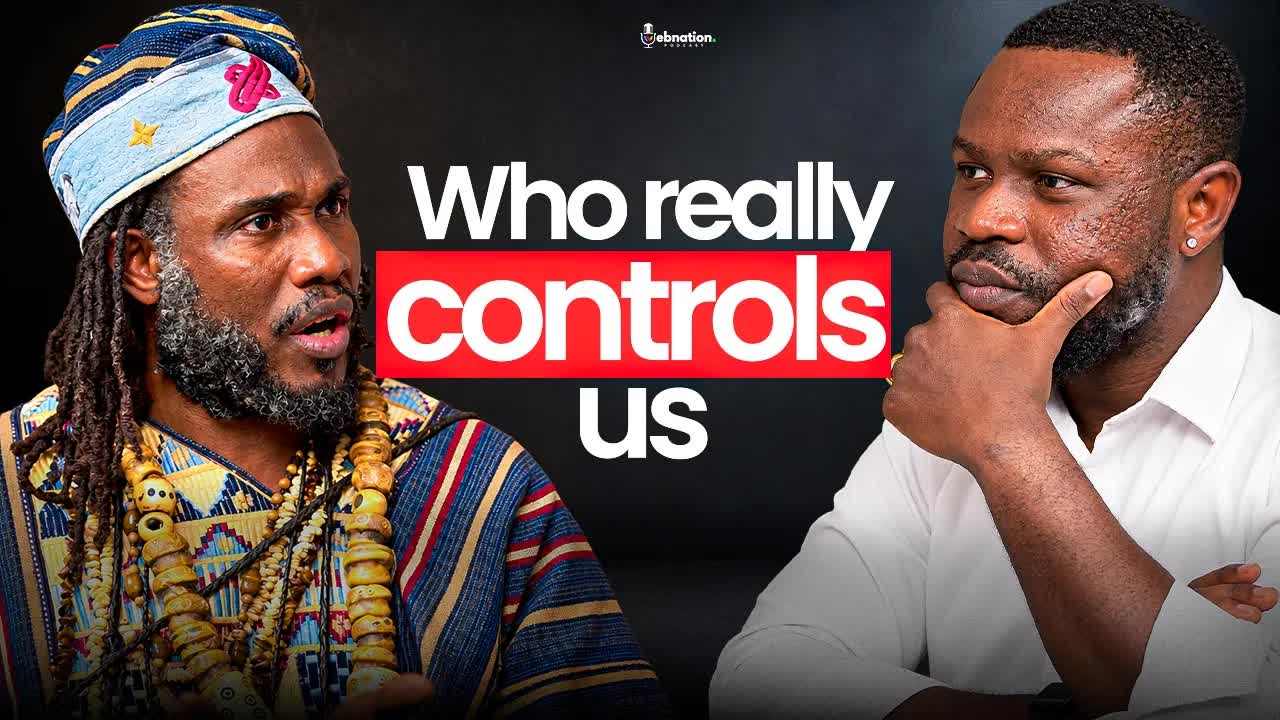
In this Webnation Africa podcast, a University of Ghana professor shares his perspective on Black history, cultural identity, education, economic ownership and repatriation. Drawing on his experience living in Ghana, he discusses why he believes the way we learn history affects the choices we make today—from where we spend our money to how we build communities.
We also explore the history of the transatlantic slave trade, the meaning of returning to Ghana, and a difficult question: can political freedom last without economic independence?
This is a conversation with a range of historical interpretations and personal views. We invite you to listen critically and share where you agree, disagree, or want to learn more.
In this episode: African history and the transatlantic slave trade • Ghana and repatriation • Education and cultural identity • Black owned businesses • Economic independence • Building community in Africa
Join out Ghana trip : https://webnationtraveltour.sq....uadtrip.com/trip/roo
For business inquiries and collaborations, reach us at webnation@agecreators.com
Or webnationafrica@gmail.com
For enquiries about our trips email , info@webnationtraveltour.com
Let me know if you're okay with adding this!
Join our waitlist : https://mailchi.mp/a549363e9c39/webnationwaitlist
Chapters:
00:00 Can Black People Build Freedom in Africa? | Opening Preview
01:28 Introduction to the Webnation Africa Podcast
02:29 Meet the University of Ghana Professor
04:04 Ghanaian Citizenship and the Right to Repatriate
07:45 What Repatriation Means Beyond a Visit
10:05 Slavery, Family Separation and Historical Memory
11:35 Challenging Claims About African Ancestry
13:35 Who Profited From the Slave Trade?
15:10 Building Spaces for Dialogue and Reconnection
16:30 Webnation Ghana Trip
17:45 Religion, Culture and Colonial Influence
22:45 Conversations Between Ghanaians and Returning Diasporans
27:00 Learning the Language and Integrating in Ghana
31:00 Beauty Standards and Cultural Identity
34:25 Why He Has Stayed in Ghana for Nearly 19 Years
37:55 Can Africa Build Economic Independence?
43:50 Where Does Our Money Go?
48:30 The Need for African Owned Media
57:30 Identity, Power and the “Black Ant” Analogy
1:02:20 What Schools Teach About African History
1:07:00 Religion, Wealth and Community Choices
1:11:20 The History Before 1619
1:13:35 Succeeding Without Hiding Your Identity
1:18:00 Can Leaders Change Without Cultural Change?
1:20:15 How to Connect With the Guest
1:24:10 Closing
Guest Info :
Obenfo(Professor) Obádélé Bakari Kambon
+233 24 919 5150
obadele.kambon@gmail.com
EVENTS, TICKETS & RSVP LINKS
OPEN D.O.O.R. DIALOGUES
October 30, 2026 | University of Ghana
RSVP:
https://decadeofourrepatriatio....n.com/community-even
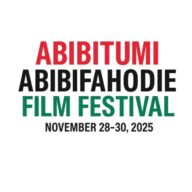
ABIBITUMI ABIBIFAHODIE FILM FESTIVAL
October 16–17, 2026
Eventbrite:
https://www.eventbrite.com/e/a....bibitumi-abibifahodi
Ayatickets:
https://ayatickets.com/en/even....t/abibitumi-abibifah
eGotickets:
https://egotickets.com/events/....abibitumi-abibifahod
4TH ABIBITUMI CONFERENCE — CONSTRUCTION OF BLACK CIVILIZATION
December 12–13, 2026 | Abibitumi Headquarters, Akuapem Mampong, Ghana
Eventbrite:
https://www.eventbrite.com/e/a....bibitumi-conference-
Ayatickets:
https://ayatickets.com/en/even....t/abibitumi-conferen
eGotickets:
https://egotickets.com/events/....abibitumi-conference
ABIBIFAHODIE FESTIVAL — FREE ADMISSION
December 12–13, 2026 | Abibitumi Headquarters, Akuapem Mampong, Ghana
Reserve your free ticket:
Eventbrite:
https://www.eventbrite.com/e/a....bibifahodie-festival
Ayatickets:
https://ayatickets.com/en/even....t/abibifahodie-festi
eGotickets:
https://egotickets.com/events/....abibifahodie-festiva
28TH ANNUAL SANKƆFA JOURNEY TO GHANA
December 11–21, 2026
Journey details, packages and reservations:
https://sankofajourney.com/
CONNECT WITH THE PLATFORMS MENTIONED
Abibitumi:
https://www.abibitumi.com/
Repatriate to Ghana:
https://repatriatetoghana.com/
Decade of Our Repatriation:
https://decadeofourrepatriation.com/
Subscribe to Webnation Africa for conversations about diaspora life, relocation, entrepreneurship and the future of Africa.
#webnationafrica #africanhistory #ghana #repatriation #blackdiaspora


#African #PanAfrican #ShootTheBreeze #Saturday
In this episode we 'Shoot The Breeze' with our listeners! Join Us to learn more.
This episode continues our drive to understanding the need for a new African-centered curriculum for Black children and family units. Ask Us how can you help.
Join our Discord server: https://discord.gg/dVcbGvUvqW
** DONATE 2 THE SHOW: http://cash.app/$bittermedz **
SUPPORT the KWAZ RADIO MERCH STORE: https://tshirtepiphanies.com/
Follow Us on:
► Twitter: https://www.twitter.com/bittermedz
► Facebook: https://www.facebook.com/BitterMedici...
► Instagram: https://www.instagram.com/thebmpodcast
► Tumblr: https://www.tumblr.com/blog/bittermedz
► Website: https://www.linktr.ee/bmpodcast
Follow KWAZ RADIO:
► Facebook: https://www.facebook.com/KWAZRADIO/
► Instagram: https://www.instagram.com/kwazradio
► Twitter: http://www.twitter.com/kwazradio
► YouTube: https://goo.gl/a6eXJZ
► Website: https://[a]www.kwazradio.com[/a]
KWAZ RADIO Links (SUBSCRIBE!):
► KWAZ RADIO: https://www.youtube.com/channel/UCGaO...
► The Bitter Medicine Podcast: https://www.youtube.com/c/BitterMedic...
► The Pro-Black Perspective: https://www.youtube.com/channel/UCPV_...
► The Harsh Reality Podcast: https://www.youtube.com/channel/UCAui...
► The Learning Curve: https://www.youtube.com/channel/UC0XN...
► The4Kast Radio: https://www.youtube.com/channel/UCU_M...
► The Brother Bakari podcast: https://www.youtube.com/channel/UCIgh...
► Tan Zan – African Mind: https://www.youtube.com/channel/UCddK...
► Cassidra Cheek podcast: https://www.youtube.com/channel/UCaoU...
[TIMESTAMPS]
0:00 Preview
3:55 Intro
9:00 STB#1 – Tyre Nichols (RIP)
1:55:28 STB#2 - The Afrikan Mode of Production
3:33:38 STB#3 - Is Wakanda a real place?
4:06:25 STB#4 - Do we know or are we ready to understand the amount of monstrosity that lies within the heart of those people, if they did this to their own imagine what they did to our people?
5:12:49 STB#5 - Is abortion an African thing?
6:20:00 STATION ID – www.kwazradio.com
This YouTube Channel (@bittermedicinepodcast) is for educational purposes only.
Fair Use
Copyright Disclaimer under section 107 of the Copyright Act of 1976, allowance is made for “fair use” for purposes such as criticism, comment, news reporting, teaching, scholarship, education and research.
Fair use is a use permitted by copyright statute that might otherwise be infringing.
Fair Use Definition
Fair use is a doctrine in United States copyright law that allows limited use of copyrighted material without requiring permission from the rights holders, such as commentary, criticism, news reporting, research, teaching or scholarship. It provides for the legal, non-licensed citation or incorporation of copyrighted material in another author’s work under a four-factor balancing test.


We investigate allegations that despite its new democratic institutions, police torture continues in Tunisia.
Subscribe to our channel http://bit.ly/AJSubscribeFollow us on Twitter https://twitter.com/AJEnglishFind us on Facebook https://www.facebook.com/aljazeeraCheck our website http://www.aljazeera.com/


Okuninibaa Kerida McDonald is a Rastafari singer, songwriter, and Harvard graduate who has worked with UNICEF for over 20 years. She is also the mother of reggae singers Kelissa, Keznamdi, Miss Jamaica finalist Kamila, naturopathic doctor Kamani, and UN International school graduate Kadiya.Enjoy 'Throw Forward' clip from Okuninibaa Kerida McDonald providing sound advice to young parents.➡️ Tune into 'I NEVER KNEW 📻'🇲🇱Roots, Rock, Reggae Music🇲🇱Hosted By : Jr of 'I Never Knew Tv'https://www.WLOY.orgSunday 9 -11 AM ESTWednesday 8- 10 AM ESTThursday 10- Noon AM EST#parenting #ineverknewtv ineverknewtv