








- General Videos
- Music
- Economics
- Health
- Travel & Events
- History
- Psychology
- Spirituality
- Movies
- News & Politics
- Kmtyw Combat Sciences
- Ɔbenfo Ọbádélé Kambon Videos
- Ɔbenfoɔ Kamau Kambon: Black Liberation Philosophy
- Science, Tech, Engineering and Math
- Permaculture
- Self-Sustainability
- Living Off Grid
- Yoruba Language Learning
- Education
- Mmɔfra Adesua
- Nana Kamau Kambon Playlist
- Livestream
- Komplementarity Kouples and Revolutionary Singles
- Abibitumi Film Series
- Decade of Our Repatriation
- Kwento xpr
- Live
Top videos

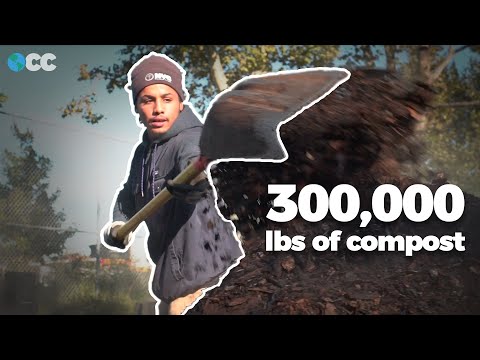

In this video brought to you by the Local Motives YouTube channel, we explore how a small community urban farm in Red Hook, Brooklyn produces over 150 tons of compost every year with just hand tools. Through the help of over 2000 volunteers, the Red Hook Community Urban Farm diverts over 300,000 lbs (pounds) of food scraps, food waste, and yard waste from the landfill. This NYC urban farm uses large piles of food waste to create compost. The NYC urban farm not only educates volunteers on how to compost and grow their own food in an urban agriculture environment, but they also put them to work turning compost piles to create the perfect soil for growing organic vegetables and produce. This is an excellent example of how small farms, collective work, and a good idea can make a big impact on climate change.
Subscribe to Local Motives: https://www.youtube.com/channe....l/UCLTofw9H3F8-MRsIj
Local Motives Instagram: http://instagram.com/localmotives.series
Local Motives Website: https://www.localmotives.us
Local Motives Series original score composed and produced by William Lindsay.
Volunteer at Red Hook Community Farm’s Compost Operation: https://rhicenter.org/red-hook-farms/the-farms/
Help me make more videos like this via Patreon: http://bit.ly/2iz4lIV
Email List: https://www.subscribepage.com/ourchangingclimate
Twitter: https://twitter.com/OurClimateNow
Facebook: https://www.facebook.com/occvideos/
Instagram: https://www.instagram.com/occ.climate/
I use Epidemic Sound for some of my music: http://epidemicsound.com/creator
For the rest of my music, I use Artlist.io. You can get 2 months free of Artlist.io with this link: https://artlist.io/Charlie-278823
_______________________
#Compost #UrbanFarm #FoodWaste


My Website:https://aiyawodemaya.com/Donate & Support Me On Go Fund Me:https://www.gofundme.com/africa-to-the-worldDonate & Support the Channel on Patreon:https://www.patreon.com/wode_mayaDonate and Support me on Paypal:https://www.paypal.me/wodemaiya


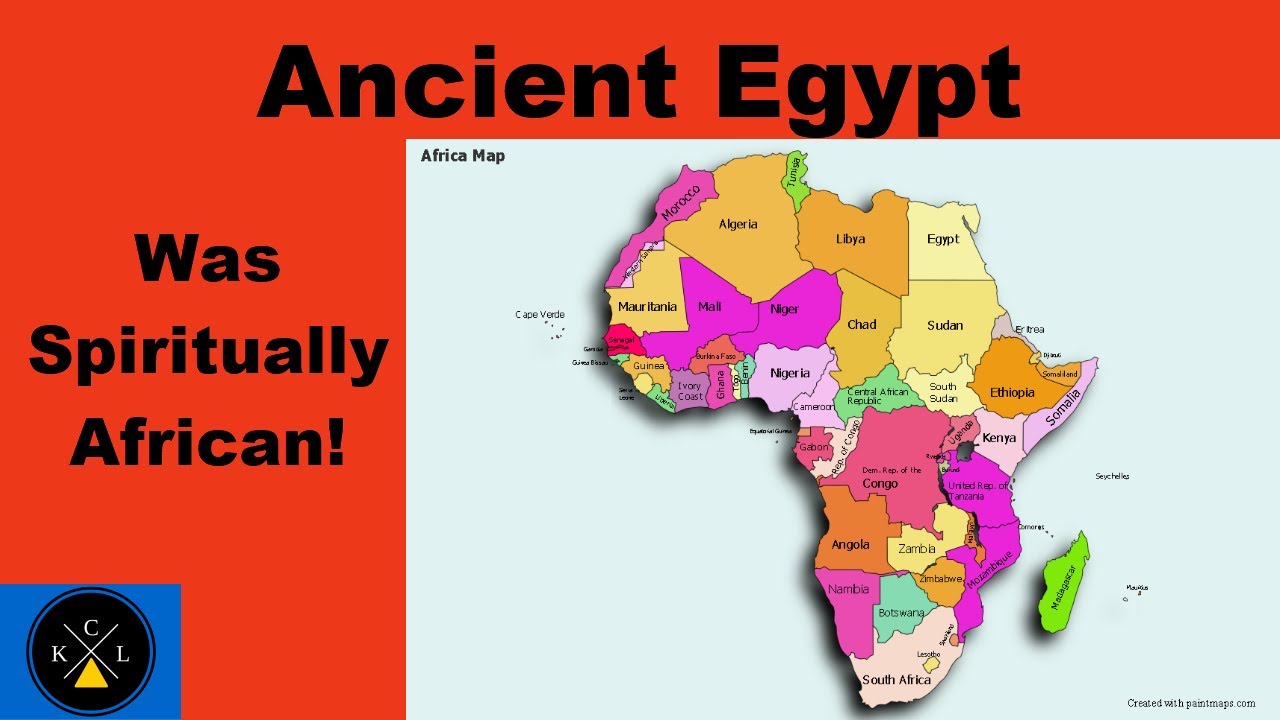

Africans all of the continent shared many ideas spiritually. In this video I give you the logic, reason, and research to show that Kemetic science and African spirituality shared a common kinship with all of Africa. It was not an anomaly.
The class is open for signups. Click the link below to get information and to register.
https://www.africanmindrewire.com/orderpage2
If you want to gain more knowledge about ancient African Spirituality before Christianity, check out my course African Spirituality Before Christianity: The Ultimate Guide. Click on the link below for details on the course:
https://khemeticcenteredliving.....com/african-spiritu
Voche's page for Birth Chart readings and other services
https://khemeticcenteredliving.com/vocheservices/
Books on Channel is amazon affiliate link, please support the channel covers may differ because of editions. Please use them to verify and research your findings.
African Origin of Civilization
https://amzn.to/3bBTn2X
Blacked Out Through White Wash
https://amzn.to/2ZZxQuT
Finding Soul On The Path of The Orisha
https://amzn.to/3bzWbxs
The Pagan Christ
https://amzn.to/35TQd8p
Ancient Egypt light of the world
https://amzn.to/2ZZyoRt
Beyond Belief
https://amzn.to/2ZXdjXZ
Who is this king of glory
https://amzn.to/32SjFd2
Sacred Science
https://amzn.to/3iUcmXE
Ancient Egypt Light of the World
https://amzn.to/2YSsVvc
Egyptian Book of the dead
https://amzn.to/2EJsr3G
Lost Keys to scriptures
https://amzn.to/3gRGvF7
Science of the Dogon
https://amzn.to/2Qqyo7Y
Six pillars of self-esteem
https://amzn.to/3ri7tvh
How to raise self-esteem
https://amzn.to/3apVXau
Honoring the self
https://amzn.to/3tmKEbD
===================================================================
If you find this video of benefit, your financial support for this work is needed, please
Paypal
give @ https://paypal.me/BeyondThePhy....sicalMe?locale.x=en_
Cash App
https://cash.app/$khuakaru1
just a little goes a long way
Do you want to elevate your knowledge of African spirituality? Do you want to learn the spiritual essence of ideas like KRST, Sin, Heaven, and the resurrection before they became dogmatic Christianity?
Click the link below to learn more about a course that will connect you more to African Spirituality before Christianity:
https://khemeticcenteredliving.....com/african-spiritu
Website
https://khemeticcenteredliving.com/


You get 3 minutes of footage because I'm a professional vlogger.........yep.
Daily vlogging? Sure, why not!
I have 2 days until my trip to Accra/Mankessim for two conferences...so i decided to get a head start on documenting it.
-------------
clothing brand - https://justbeafrica.com
- https://www.instagram.com/justbeafrica
enterprise - https://tksage.com


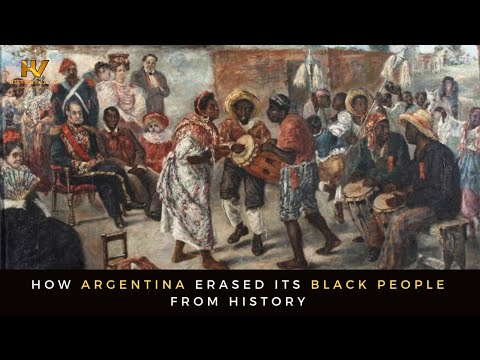

A History of Afro-Argentines. #HistoryVille
Join this channel to become a member: https://www.youtube.com/HistoryVille/join
Get Ayomide Akinbode's latest historical novels on Amazon: https://www.amazon.com/Ayomide....-Akinbode/e/B08Q5K96 and Okadabooks: https://okadabooks.com/user/AyoAkinbode
Subscribe to HistoryVille: https://www.youtube.com/Histor....yVille?sub_confirmat
----------------------------------------------------------------------------------------
Follow us on Social Media:
Facebook: https://www.facebook.com/thehistoryville
Instagram: https://www.instagram.com/historyville
Twitter: https://www.twitter.com/HistoryVille
LinkedIn: https://www.linkedin.com/company/historyville
----------------------------------------------------------------------------------------
Visit our website for interesting historical articles:
https://www.thehistoryville.com
TIMESTAMPS
00:00 Intro
01:17 A History of Afro-Argentines
03:30 The Disappearance of the Afro-Argentines
07:07 The Black Population and the Argentine Wars
09:41 Afro-Argentines and Gender Disproportion
11:19 The European Immigration Policies
13:02 Argentina’s Whitening Tactics of the 19th Century
15:48 Afro-Argentines Today
17:32 Next Video

This tutorial explains manual borehole drilling with locally made equipment. Animations show what is happening in the ground.
SHIPO drilling is a combination of several techniques and can reach 40m deep.
The video explains about:
- stone punching
- augering
- percussion jetting
- (hand) slugging
- casing pipe design
- casing installation
- developing and cleaning the borehole
All in 15 minutes only. But remember Simple is not Easy, lots of practice and guidance by professionals is needed to become a good manual driller. This can be provided by one of the SMART Centres close to you see www.smartcentregroup.com.
Free manuals are available at www.jacana.help/resources/water