







- General Videos
- Music
- Economics
- Health
- Travel & Events
- History
- Psychology
- Spirituality
- Movies
- News & Politics
- Kmtyw Combat Sciences
- Ɔbenfo Ọbádélé Kambon Videos
- Ɔbenfoɔ Kamau Kambon: Black Liberation Philosophy
- Science, Tech, Engineering and Math
- Permaculture
- Self-Sustainability
- Living Off Grid
- Yoruba Language Learning
- Education
- Mmɔfra Adesua
- Nana Kamau Kambon Playlist
- Livestream
- Komplementarity Kouples and Revolutionary Singles
- Abibitumi Film Series
- Decade of Our Repatriation
- Kwento xpr
- Live
Top videos


LEARN TWI WITH SHORT STORIES - My Family | Twi for beginners
In this lesson, we’ll listen to a short and simple story in Twi, perfect for beginners!
You’ll practice listening, reading, and understanding step by step:
This lesson is designed for anyone learning Twi as a beginner — short, clear, and easy to follow.
👉 Watch, listen, and repeat as many times as you need to improve your Twi listening skills!
🔔 Don’t forget to subscribe for more simple Twi lessons and stories.
#learntwi #twiforbeginners #myfamily #AfricanLanguage
--------------------------------------------------------------------------------------------------------------------
WATCH VIDEOS
---------------------------------------------------------------------------------------------------------------------
LEARN TWI IN 10 MINUTES | Basic Twi lessons for Beginners and Tourists | Adwoa Lee
https://youtu.be/QI3cVpxmXmI
DAILY ROUTINE IN TWI || BASIC TWI FOR BEGINNERS
https://youtu.be/4mm0tK7AH5s
TWI FOR BEGINNERS: 50 COMMON EVERYDAY PHRASES IN TWI
https://youtu.be/6gxz5Ql7S2g
Join The Family
📸 IG: @twikakra
📸 Personal IG: @its_adwoalee
🎵 TikTok: @twikakra



We thatch round kitchens and rural huts in Zimbabwe for more contact 0773974777 or 0772389998
Facebook: http://www.facebook.com/frameworkthatchzimbabwe
Twitter: http://www.twitter.com/frameworkthatc1
visit our website on : http://frameworkthatcherszimbabwe.wordpress.com
or email us at frameworkthatch@gmail.com
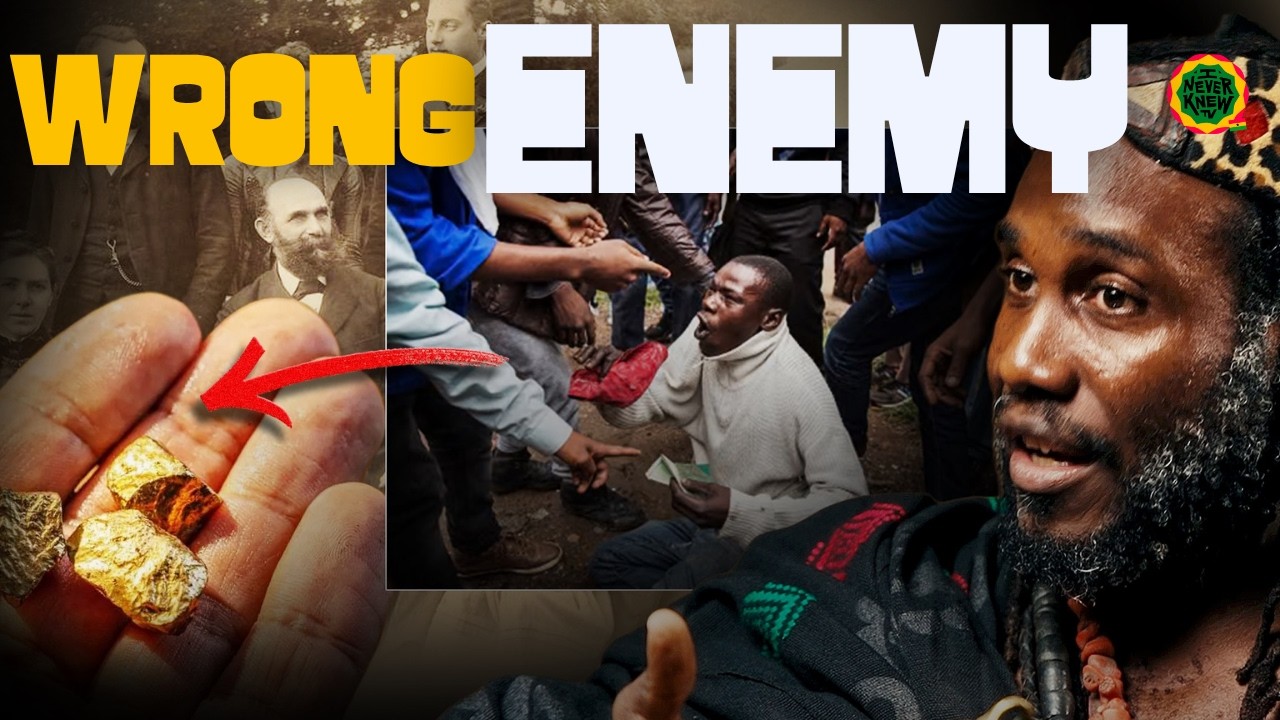

👉🏿 JOIN THE MOVEMENT → Uncensored, Ad-Free & Exclusive Contenthttps://ineverknewtv.com/premium/🇬🇭 Click the link to LEARN MORE about 'Repatriate To Ghana'www.R2GH.com📍OUR SPONSOR: Maroon ProductionsWe help brands grow through strategic video, design, and content that actually attracts attention, builds trust, and converts.If you’re looking to elevate your brand or content, learn more here:👉🏿 www.maroonproduction.comObenfo Obadele Kambon is a world-renowned master linguist, scholar and the architect of Abibitumi the oldest and largest Black social education network on the planet.In Pt.1 of this powerful reasoning, Obenfo Obadale Kambon challenges the popular narrative surrounding xenophobia in South Africa and argues that the real issue runs much deeper. Using historical examples, African languages, cultural concepts, and economic realities, he explores how Black communities are often encouraged to focus on one another while larger systems of power continue to control resources, wealth, and opportunity.Kambon examines the legacy of colonial borders, the impact of foreign control over natural resources, the meaning of African identity, and why many social conflicts may be symptoms of deeper structural problems. Whether you agree or disagree, this thought-provoking perspective raises important questions about unity, economics, and the future of African people worldwide.Please click link below to learn more about Obenfo Obadele Kambon and his work:https://www.repatriatetoghana.....comhttps://www.abibi Catch 'I NEVER KNEW RADIO for Roots, Rock, Reggae Music!Hosted by Jr a.k.a 'The Bald Head' of 'I Never Knew TV'📅 Sundays: 9 - 11 AM EST📅 Wednesdays: 8 - 10 AM EST📅 Thursdays: 10 AM - Noon ESTListen live: https://wloy.org/listen/ #ineverknewtv #xenophobia

Ghana Citizenship Emergency Town Hall & Press Conference | 100 Years of Black History MonthHundreds of members of the Black diaspora—both in-person and online—gathered at the Institute of African Studies, University of Ghana to mark the 100th anniversary (centennial) of Black History Month with a Diaspora Town Hall + Press Conference focused on citizenship in Africa (especially Ghana) and what it means for diasporans.Organized by Decade of Our Repatriation (DOOR) in collaboration with the African-American Association of Ghana, Ghana Caribbean Association, and the Central Region African Ascendants Association of Ghana, the event opened with ancestral acknowledgements and moved into a press conference where organizers and stakeholders presented a joint resolution addressing concerns affecting diaspora applicants.Key issues raised include:DNA requirements and “proof burdens”High fees and fee reform (reductions/waivers)Compressed timelinesThe 2-year residence permit prerequisiteCalls for diaspora representation in institutions shaping diaspora policySpeaking at the engagement, Ɔbenfo (Professor) Ọbádélé Bakari Kambon emphasized moving from commemoration to practical action, linking citizenship discussions to historical knowledge, identity, and the ongoing struggle against miseducation.📌 Theme: “What does citizenship in Africa mean to me?”🎥 Report by Panafrican TV / Panaffrican News (Prosper Amedas)Timestamps0:00 Introduction0:07 Diaspora Town Hall & Press Conference (UG – Institute of African Studies)1:13 Key concerns from diasporans1:40 Action steps & government engagement plans1:46 Ɔbenfo (Professor) Ọbádélé Bakari Kambon on centennial Black History Month & practical action3:41 Stakeholders on clarity, fairness, and a workable pathway4:58 Resolution demands & reforms🔔 Subscribe for more diaspora news, repatriation updates, and on-the-ground coverage from Ghana.#blackhistorymonth #ghana #diaspora #citizenship #repatriation #panafrican #universityofghana #instituteofafricanstudies #door #blackpower


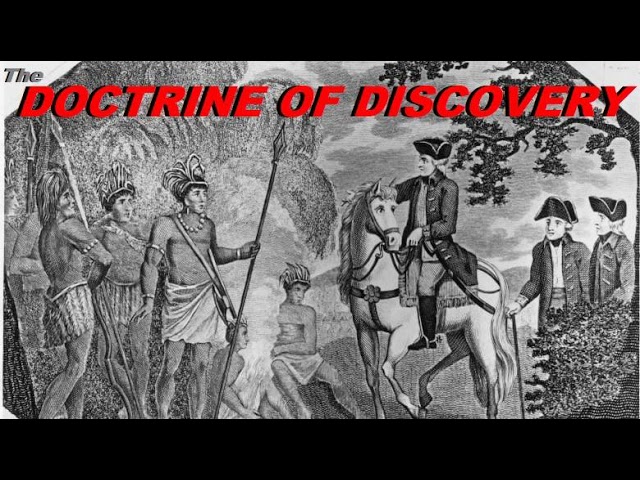

Schools taught Christopher Columbus "discovered" America - U.S. history books portray him as a hero. They failed to mentioned "the doctrine of discovery" = invade, enslave,
pillage, torture, rape, and genocide
non-Christian peoples.
The Doctrine of Discovery is still a law.
"The International Legal construct known as the Doctrine of Discovery, has served as the Foundation of the Violation of Indigenous Peoples Human Rights" - U.N.
The Doctrine of Discovery is a principle of international
law dating from the late 15th century. It has its roots in a
papal bull or decree issued by Pope Nicholas V in 1452 that specifically sanctioned and promoted the conquest,
colonization, and exploitation of non-Christian territories
and peoples.
Credit: CBC Tapestry with Mary Hynes, speaking to Roxanne Dunbar-Ortiz https://www.cbc.ca/radio/tapes....try/reclaiming-indig #subjugation #doctrineofdiscovery #indigenous #untoldhistory


Patsy got gifted some fresh red snapper by Maas Charlie… but instead of waiting on Miss Patsy, di mongrel link up him real G — Max di Rasta Cat 😹
This is a yard-side story full of patwa, belly-buss laughter, and Jamaican vibes.
🎬 Featuring:
✅ Rex – Di Country Mungrel
✅ Max – Di Rasta Yard Cat
✅ Maas Charlie – Principle man from the district
🎶 Original Reggae Background Track: “Circle Mi Ends”
💥 LIKE | COMMENT | SHARE
Subscribe for more patwa comedy and real Jamaican yard storytelling.
🔔 Turn on notifications so yuh nuh miss di next one!
#dog #funny #comedy #dogvlog #jamaicancomedy #jamaica


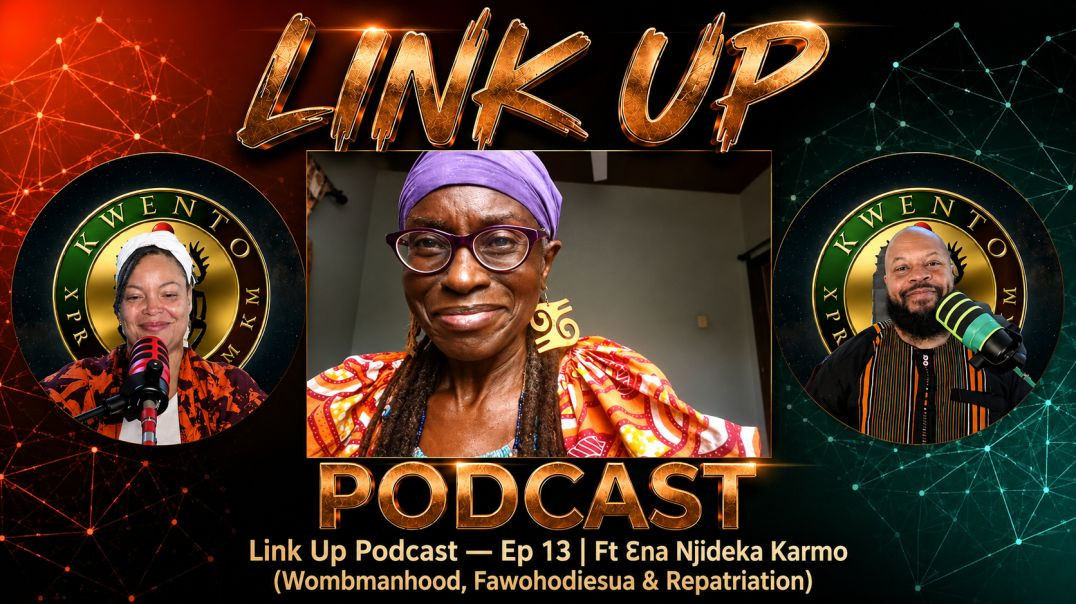
Link Up Podcast — Ep 13 | Ft Ɛna Njideka Karmo (Wombmanhood, Fawohodiesua & Repatriation)
Hosts: Niara Esi Ìjèawelē Ọmọlará Kwento & Bakari Kwadwo Ọbatayé Kwento
Akɔaba, Woezɔ, Oɔbaake (welcome) to another episode of Link Up Podcast, where we connect with Abibifoɔ (Black People) doing Black powerful work across Abibiman (the Black Land) and the diaspora.
In this episode, we Link Up with Ɛna Njideka Karmo, a Blacktastic educator, warrior scholar, mother and builder whose work centers Wombmanhood, Black-centered education, and the journey back home to Abibiman. Ɛna Njideka takes us through her path from the Midwest in the snakkkes, to her educational travels, and the Black study that helped sharpen her sense of self, purpose, and service.
We discuss the development of Fawohodiesua, her work teaching young sisters into Wombmanhood, the need for rites of passage, Motherland Immersion, livit, and the importance of preparing our young people mentally, spiritually, and physically for who they are. The conversation also answers why repatriation requires more than talk — it requires an exit plan, a village, and institutions strong enough to raise the next generation Black to Black.
This is a conversation about Wombmanhood, Fawohodiesua, repatriation, ancestral guidance, and the work required to build the educational and cultural foundations our daughters and future generations deserve.
If you would like to support the ongoing BlackPowerful work discussed, feel free to reach out to Ɛna Njideka Karmo: www.fawohodiesua.com / fawohodiesua@gmail.com
Link to Video Recording SSS #60 UNBLOCKING FAMILY ROADBLOCKS TO LIBERATION!
https://www.abibitumi.com/prod....uct/roadblocks/?kmt=
Feel free to share your thoughts, and Link Up!


Cheikh Anta Diop (supported by the great linguist Theophile Obenga) debated Jean Vercoutter and other Egyptologists at the 1974 UNESCO Conference - The Peopling of Ancient Egypt and the deciphering of Meroitic script. This is the original audio of Diop submitting his evidence regarding the race of ancient Egyptians.
Reference
Download the proceedings here...https://unesdoc.unesco.org/ark:/48223/pf0000032875
🌍Conserving authentic African history (Join and Share). No ads and No anti-black censorship
https://www.blackstream.io
💖Our Website
https://historiaafricana.org
🗣️ Let's Extend the Discussion
----------------------------
Discuss authentic African history with like minded people. Join our discord server with this invitation code. https://discord.gg/JTjgFVGB3G
💖 Support Our Channel
------------------------
Patreon Page (Extra video content) : https://patreon.com/HistoriaAfricanaYoutubeChannel
Buy me a coffee : I spend a lot of late nights creating videos. Support my efforts :)
https://www.buymeacoffee.com/h....istoriaafricanachann
🗣️Background music and sound effects
https://share.epidemicsound.com/01ghlx
🎥 Video Copyright Disclaimer: All materials in these videos are used for entertainment purposes and fall within youtube's guidelines of fair use. No copyright infringement was intended in the making of this video. If you are, or represent, the copyright owner of materials used in this video, and have an issue with the use of said material, please send an email to subscribe@historiaafricana.org


The training is over. The real mission begins. 🕵🏾
We intercepted enemy intel—a letter to an Agent on the Motherland with a plan to keep Pan-Africanism stuck in the past. This semester, our scholars build the counter-strategy.
We have 72 hours.
72 hours until our counter-operation begins.
72 hours to enroll your scholar in Afrika's Army 2.
72 hours before the first class decrypts this letter and builds the strategy to break it.
This isn’t a game. It’s training for the future they’re trying to prevent.
Your scholar doesn’t need to just read history—they need to learn how to change it.
3 DAYS LEFT.
The mission is waiting.
The cohort is forming.
The link is here.
➡ https://kotokoacademy.info/afrikasarmy