








- General Videos
- Music
- Economics
- Health
- Travel & Events
- History
- Psychology
- Spirituality
- Movies
- News & Politics
- Kmtyw Combat Sciences
- Ɔbenfo Ọbádélé Kambon Videos
- Ɔbenfoɔ Kamau Kambon: Black Liberation Philosophy
- Science, Tech, Engineering and Math
- Permaculture
- Self-Sustainability
- Living Off Grid
- Yoruba Language Learning
- Education
- Mmɔfra Adesua
- Nana Kamau Kambon Playlist
- Livestream
- Komplementarity Kouples and Revolutionary Singles
- Abibitumi Film Series
- Decade of Our Repatriation
- Kwento xpr
- Live
Top videos


#TheNewBlackMind
► Subscribe to Transatlantic Productions 💥Smash The LIKE Button👍🏿 Share↗️ & hit the Notifications Bell 🔔
► Donate so we can complete the upload https://www.gofundme.com/tapvideo
► Cash App: $Tapvideo $GodKingD91 $BrotherRonn $Moneymark0730
► Share on video on all Social Media.
► Website https://tapvideo.blogspot.com
https://www.facebook.com/Tapvi....deocom-7441435789873
► Back up Channels:
https://www.youtube.com/channe....l/UCs9-wRHfFb7v7RQAi
https://www.youtube.com/user/savejamaica


Enemies of Black People | Wannabe White Supremacists.
A look into the other races in the quest to be white and their animosity for Black People
#whitesupremacy #blackpeople


#drmaat #professorgriff #hiphop #hiphophistory #hiphopculture #newyork #consciousness #conscioushiphop #nationofislam #ministerfarrakhan #clarencex #fatherallah #fivepercentnation #fivepercenter #fivepercentteachings #hometeamhistory
INTRO/OUT SONG
"Truth to Power"- by The Paradigm Shift (Amadaye The Apostle & Genesys Dayz)
Here is the link to the full song: https://www.reverbnation.com/amadayetheapostle/song/32112869-truth-to-power?fb_og_action=reverbnation_fb:unknown&fb_og_object=reverbnation_fb:song&player_client_id=j29dsi7kl&utm_campaign=a_public_songs&utm_content=reverbnation_fb:song&utm_medium=facebook_og&utm_source=reverbnation_fb:unknown
GET EDUCATIONAL PRODUCTS FOR YOUR CHILDREN HERE:
https://edanimeproductions.com/shop
CONNECT WITH ME ON FACEBOOK: https://facebook.com/droyaadwoamaat
EMAIL ME:
dr.maat.msu@gmail.com
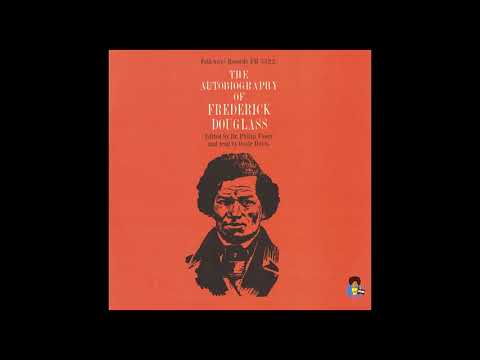

Ossie Davis reads excerpts from Frederick Douglass’s autobiography, edited by Dr. Philip Foner, which traces the abolitionist and statesman’s life from early childhood through to his most significant political accomplishments. This first volume establishes the personal and educational foundation on which Douglass built his distinguished career, specifically addressing his birth into slavery, his battle to learn to read and how being forced to "drink the bitterest dregs of slavery" inspired his escape. (See also FW05526 Autobiography of Frederick Douglass, Vol. 2.) Buy the CD at https://folkways.si.edu/ossie-....davis/autobiography- for historical purposes. I do not own the rights.


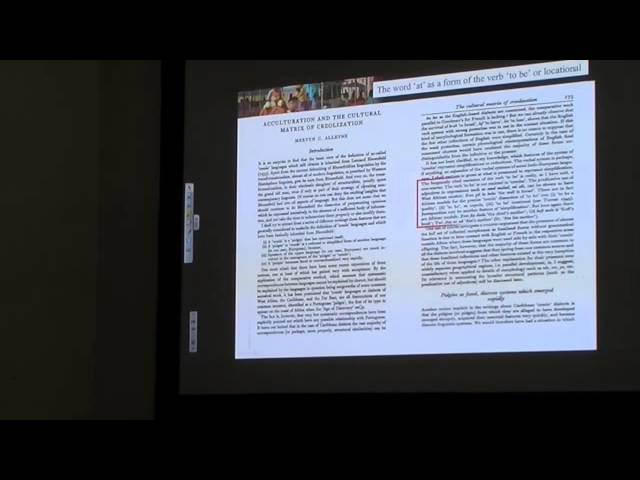


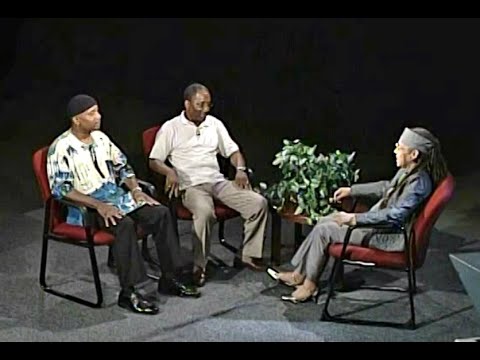
The ASE Collective speaks to Sekou Berthe, Mali's Ambassador to the USA!
featuring:
Iya Rae - ASE Collective (Vice President)
Chief Foday - ASE Collective (President)
Sekou Berthe - Mali Ambassador to the USA
Alpha Konate - Mali Diplomat
SUPPORT GOTKUSHTV: https://www.patreon.com/kimbungamedia
Join WhatsApp: https://whatsapp.com/channel/0....029VaXt3adHwXb8Yt44J
Join Telegram: https://t.me/kimbungamedia
• SUBSCRIBE • LIKE • COMMENT • SHARE
••••••••••••••••••••••••••••••••••••••••••••••••••
Greetings & Welcome to Kimbunga Media - Your Premiere Universal Afrikan Nationalist Media Institution
Find Kimbunga Medai on:
► Instagram: http://instagram.com/kimbungamedia
► https://www.facebook.com/kimbungamedia
► Twitter: https://twitter.com/kimbungamedia
► SignUp for Newsletter: https://kimbungamedia.com/


#libations #beer #wine #african
Does modern libation it really works?
What is the purpose of a libation?
Libations are a form of religious offering or sacrifice, typically made to a god or spirit. They are often performed as part of a religious ceremony or ritual, and can be made with a variety of liquids, including water, wine, milk, or even blood in some cases. The liquid is poured or sprinkled on the ground or on an altar as an offering to the deity or spirit.
The act of pouring a libation is often accompanied by prayers or invocations, and may also include other rituals such as burning incense or making other offerings. The libation itself is symbolic, representing the offering of a part of one's own sustenance to the gods, as well as representing the deity's presence in the ceremony.
Libations were a common practice in many ancient cultures, including those of the Egyptians, Greeks, and Romans. In ancient Egypt, libations were poured to honor the dead and to invite their spirits to partake of the offering. In ancient Greece and Rome, libations were poured before and after a meal as a way of honoring the gods and giving thanks for the food.
Libations continue to be practiced in some modern religious ceremonies, such as in traditional African religions and certain sects of Hinduism. In these cultures, libations are poured to honor ancestors, to request blessings or protection, or to give thanks for blessings received.
It is important to note that the practice and meaning of libation may vary greatly from one culture or religion to another, so the specific details of the ritual can differ greatly. Libation failure. Libations may fail to work if they are not performed properly or with the appropriate intentions. For example, if the libation is not made with the correct liquid or if it is not poured in the correct manner, the ritual may not be effective. Additionally, if the person performing the libation is not in the correct state of mind, such as if they are not focused or if they do not truly believe in the ritual, the libation may fail to have the desired effect.
Another reason why libation may fail to work is if the person or deity to whom the libation is offered is not propitiated. In other words, if the deity is not in the right mood or if the person is not in good standing with the deity, the libation may not be accepted or may not have the desired effect. This might happen, for example, if the deity is angry or if the person has not fulfilled their obligations or made the necessary preparations before performing the libation.
Your cleanliness and Mentality.
the person performing the libation is not in the correct state of mind, such as if they are not focused or if they do not truly believe in the ritual, the libation may fail to have the desired effect.
Wearing shoes, Mobile phone in pockets.
Prohibited persons
Wrong reasons
What are the solutions. Find them in this video.
Share, Comment and Subscribe.
Our Email
join@maarifado.com
REF’
Link to book on Libation…
https://www.amazon.com.au/Liba....tion-Afrikan-Ritual-





📥 Free practice speaking workbook for week 21 at https://learnigbonow.com/
This is your Week 21 Igbo language practice session from Igbo Daily Drops — 15 sentences learnt over the past week in Igbo daily drops, built for real-life use. Commands, requests, questions, and the kind of warm, human phrases that make the difference between knowing a language and living in it.
Work through each sentence at your own pace. You will hear it once, then again — then it is your turn. The sentences this week move from saying where you are located, who you are , to asking who others are.
The Igbo sentences we learnt this week are :
Anyị gara ahịa ụnyaahu. — We went to market yesterday.
Gịnị mere taa? — What happened today?
Anyị hụrụ ha unyaahu na taa. — We saw them yesterday and today.
A gara m ahịa ụnyaahụ. — I went to the market yesterday.
A zurụ m okporoko. — I bought stockfish.
Ego m agwula. — My money has finished.
Anyị hụrụ ụmunna anyị n'ọnwa gara aga — We saw our kinsmen last month
Anyi gbara egwu n'ulo ha — We danced at their house
A bụ m onye obodo ahu — I am a person of that town
gara m Cape Town izu uka gara aga — I went to Cape Town last week.
A notere m aka n'ime moto — I was inside the car a lot.
A zutara m laptop n'ebe ahu — I bought a laptop there.
Ị hụrụ m n'ehihie? — Did you see me in the afternoon?
A lara m ụlọ na mgbede. — I went home in the evening.
E hiri m ura ofuma. — I slept well.
This is the language your family carried. Now it is yours to carry too.
This has been Igbo Daily Drops with Yvonne Mbanefo.


Don't forget to subscribe for more Updates: http://goo.gl/70xoB
Visit the News Site: http://www.3news.com/ for more.
Follow us on Facebook: https://www.facebook.com/TV3GH/
Follow us on Twitter: https://twitter.com/tv3_ghana
Follow us on Instagram: https://www.instagram.com/tv3_ghana/
TV3 First in News Best in Entertainment.