








- General Videos
- Music
- Economics
- Health
- Travel & Events
- History
- Psychology
- Spirituality
- Movies
- News & Politics
- Kmtyw Combat Sciences
- Ɔbenfo Ọbádélé Kambon Videos
- Ɔbenfoɔ Kamau Kambon: Black Liberation Philosophy
- Science, Tech, Engineering and Math
- Permaculture
- Self-Sustainability
- Living Off Grid
- Yoruba Language Learning
- Education
- Mmɔfra Adesua
- Nana Kamau Kambon Playlist
- Livestream
- Komplementarity Kouples and Revolutionary Singles
- Abibitumi Film Series
- Decade of Our Repatriation
- Kwento xpr
- Live
Top videos



THANKS FOR WATCHING!! Please LIKE, SHARE
#PanAfricanDailyTV # DrArikana
Don't forget to SUBSCRIBE and click the notification Bell 🔔 to get instant updates when a video is uploaded.
Follow us on:
YOUTUBE: https://www.youtube.com/channel/PanAfricanDTV
TWITTER : https://twitter.com/panafricanDTV
FACEBOOK: https://www.facebook.com/PanAfricanDailyTV
INSTAGRAM: https://www.instagram.com/panafricandailytv/
WEBSITE: www.afroworld.tv
COPYRIGHT DISCLAIMER: Under Section 107 of the Copyright Act 1976, allowance is made for fair use for purposes such as criticism, comment, news reporting, teaching, scholarship, and research.
![Mhenga Malcolm X: NOI Panel Discussion [1961]](https://i.ytimg.com/vi/x3EWnQOaoK8/hqdefault.jpg)
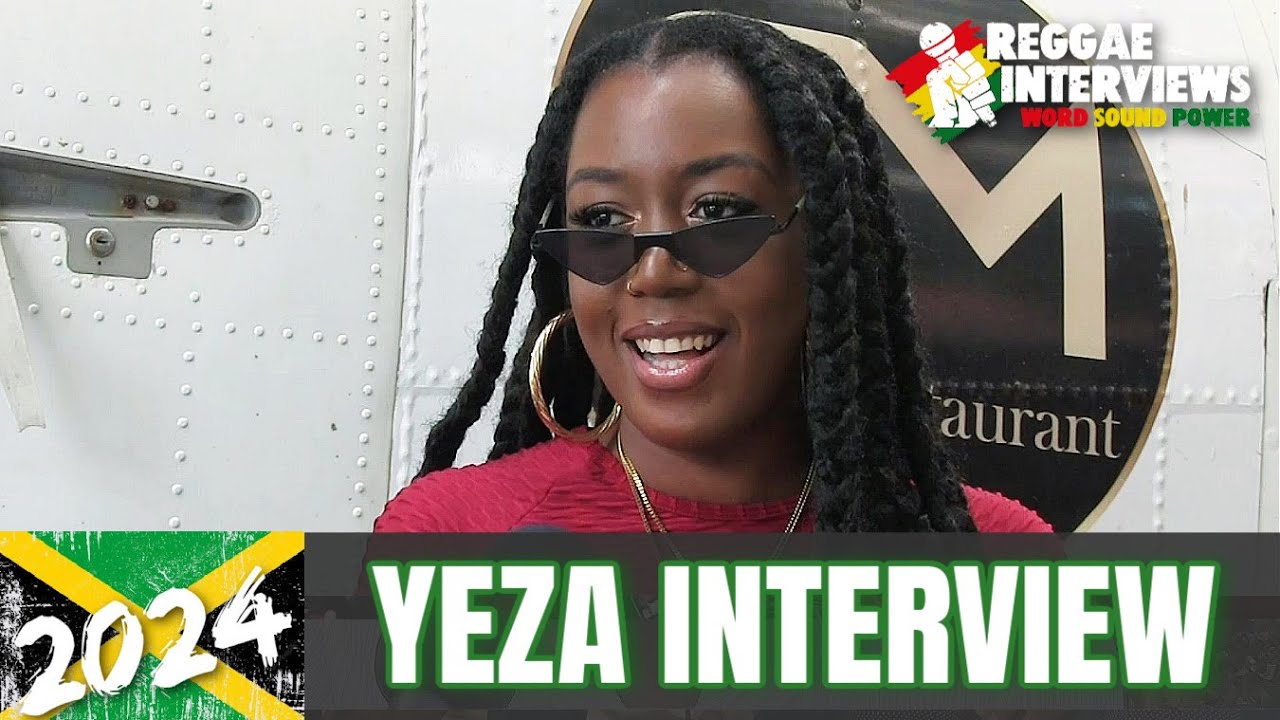

#yeza #organic #bullseye #staroftheeast #jamaica #reggae #dancehall #reggaemusic #reggaeinterviews
DJ 745 spoke with the 'Rebel Empress' Yeza about her forthcoming project with Rory Stone Love 'Star Of The East'.
Yeza, whose stage moniker is inspired by the Swahili word Yezambique, meaning Strength and Resilience hails from Bull Bay, St. Andrew JA and she has earned the nicknames “Lyrical Lioness” and “Rebel Empress” for her skillful lyrics, natural melodies, powerful stage charisma, and multifaceted artistry.
Yeza embarked on her musical journey in 2017 with her debut recording Everyting Is Irie on the Hot Milk/Murderer riddim, produced by Calibud Music at the famous Bobby Digital studio in Kingston. Since then, Yeza has consistently released reggae music, demonstrating her skills as a talented singer and songwriter.
She has worked closely with Rory Stone Love since 2018 building up a powerful collection of works embracing the roots of dancehall/ rub a dub music including former singles Bullseye, Organic and Star Of The East.
✅SUBSCRIBE & GET NOTIFIED 🔔 about new interviews!
https://www.youtube.com/reggaeinterviews
https://www.instagram.com/reggaeinterviews
https://www.facebook.com/reggaeinterviews


First 10 minutes preview.
Get the complete presentation for $20:
https://www.abibitumi.com/prod....uct/office-of-the-pr
#abibitumi #obadelekambon #blackstudies #door

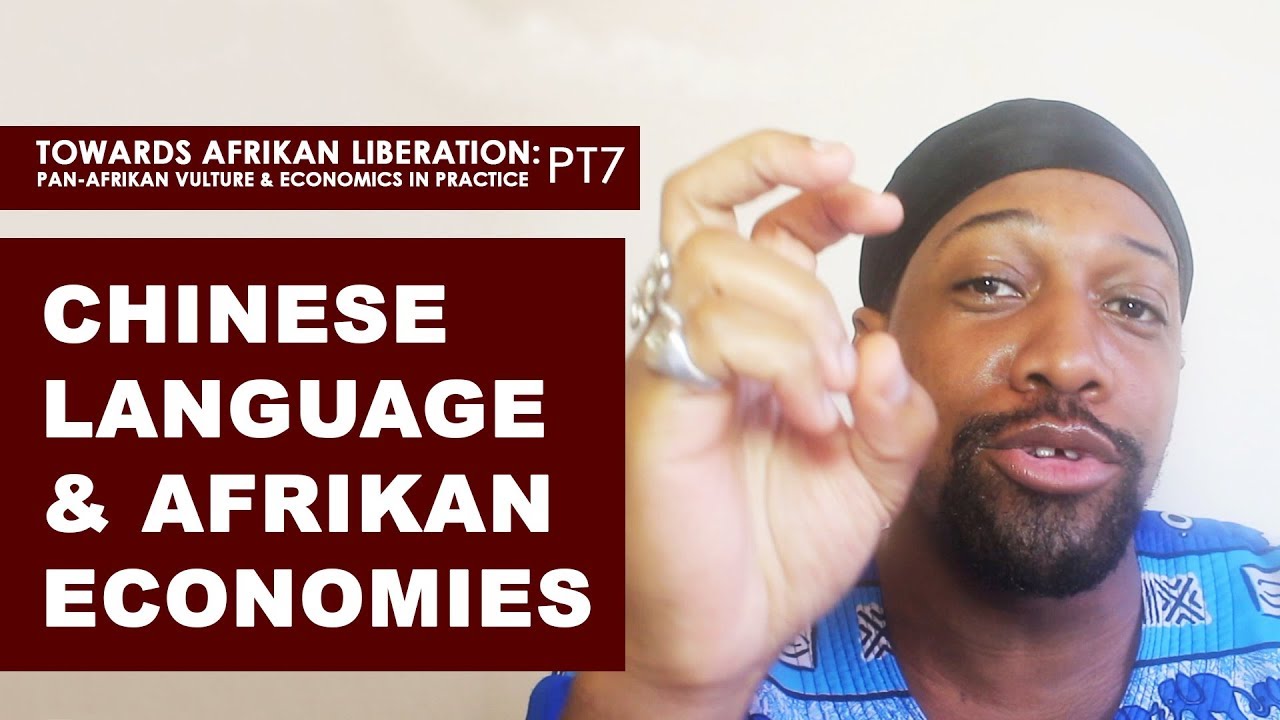

Full presentation: https://www.youtube.com/watch?v=Q1GFqTGpvzg
This is the fuller version of the presentation I delivered at the Re-Engaging Pan-Africanism Conference at Birmingham City University, Dec 2018.
The presentation explores the relationship between Culture & Economics as an attempt to:
Rescue "culture" from reductive definitions by demonstrating the relationship between it & economic development.
Demonstrate how revolutionary movements have pursued economic development from a culturally appropriate foundation.
Its pre-recorded, but will be broadcast with a live chat. I look forward to hearing your feedback.
------------------------------------------------------------
► Subscribe: https://www.youtube.com/shakar....aspeaks/?sub_confirm
► Twitter https://twitter.com/ShakaRaSpeaks
► Facebook: https://www.facebook.com/ShakaRaSpeaks/
► Instagram: https://www.instagram.com/shakaraspeaks/


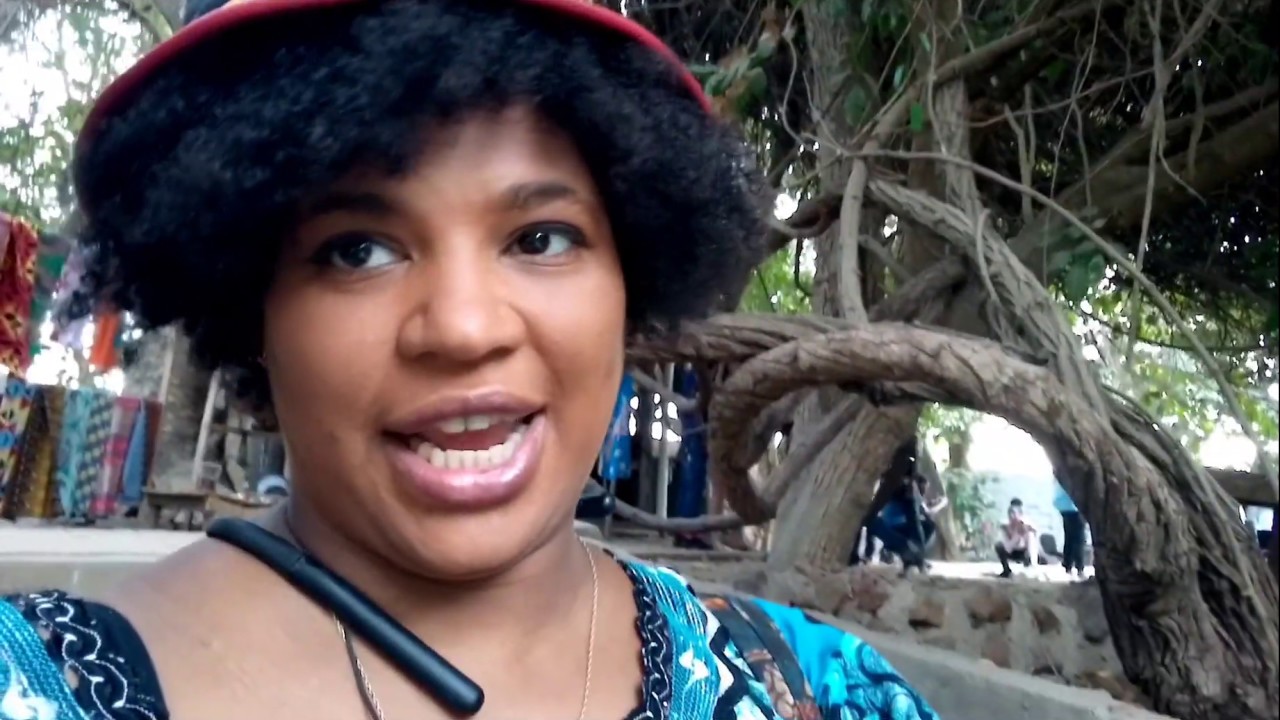

A day trip to the Crocodile Pool with the family gets up and close to crocodiles inside an Elephant Tree then through the museum. A great day was had by all. Due to my battery going flat we were unable to Smash that like button on camera. So please Smash that like button and comment down below and please subscribe if you haven't already. Music was privided courtesy of MPRA Beats #MM who is a super talented young producer. Camera work was yours truly and editing by Seth. Thank you to my sons and niece for a great family day out. Thanks to Adrian for holding down the fort. Thanks to Marka for facilitation of the visit. Our website will be updated soon www.bla-xit.com . Please see our community page on YouTube for up to date features and insights. Also join our membership on our website. You can be included in our FB page Bla-Xit Movement. Thank you to all viewers supporters and subscribers and special thank you to all donors that help us to fulfill our Sims and objectives. Thanks to my Bla Xit family and Wode Maya for making all this possible.
If you would like to get in touch please email us at blaxithome@gmail.com
If you would like to contribute to our channel you can via PayPal using bopcollective@yahoo.com
or Patreon using Bla Xit
Or emailing us for APS, Bank transfer via UK or Western Union.
We thank everyone that's helped us to acquire equipment and to pay editors and camera personnel. We are searching for a new editor to ****ist us. If you know of anyone please call me via WhatsApp on the number given on the website add a + in front of the +232 . Give thanks family to you all and ancestors that came before us. That make our lives possible today. Kimpa Vita for life!


Become a Patron: www.patreon.com/TheMedicineShell
Subscribe if you want in-depth, weekly videos on Igbo spirituality, cosmology and culture (Odinala/Odinani).
Have personal questions? DM me on Twitter, I'll answer right away.
Twitter: www.twitter.com/shellmedicine
Business Inquiries: Derickofod@gmail.com


Racism rooted in slavery has not gone away in Brazil — and it took time until its existence was even acknowledged.
Subscribe to our channel! http://goo.gl/0bsAjO
Brazil imported more African slaves than any other country in the world: over 4 million people. Despite the ancestry forming a big part of the population, the development of a national Black identity was hindered after the country’s abolition of slavery in 1888.
Brazil didn’t have an apartheid system like South Africa’s or Jim Crow laws like the United States, and its mixed population was seen as a symbol of harmony between races. The idea of Brazil being a “racial democracy” affected how Brazilians saw the role of race in their own lives — until the myth was debunked.
“Several people were raised with certain privileges for being a light-skinned person, but still suffering some discrimination and not understanding exactly why is that so,” explains lawyer and diversity studies professor Thiago Amparo. “Only by understanding the history of Brazil, the [social] construction of whiteness and their own Black ancestry, they start to self-identify as Black.”
The rise in the number of Brazilians who self-identify as Black came as a result of the Black movement’s fight to denounce racism in the country and to promote positive references of Blackness. Many achievements have been made over the past decades, such as the implementation of affirmative action practices. However, challenges remain. Seventy-five percent of people killed by police in Brazil in 2019 were Black, and socio-economic characteristics of this population widely differ from those of white people.
Vox.com is a news website that helps you cut through the noise and understand what's really driving the events in the headlines. Check out http://www.vox.com.
Watch our full video catalog: http://goo.gl/IZONyE
Follow Vox on Facebook: http://goo.gl/U2g06o
Or Twitter: http://goo.gl/XFrZ5H